Weavetech

2026 Top 21V 40mm Electric Pruning Shear Guide?

Choosing the right pruning tool can change a long orchard day. This 2026 guide examines the 21V 40mm Electric Pruning Shear for gardeners, landscapers, and small-scale growers. It focuses on real cutting conditions, not attractive product claims alone. A stated 40mm capacity may apply only to fresh, soft wood. Dry branches, awkward angles, and cold weather can reduce performance.

Field-style evaluation should cover cutting speed, blade sharpness, trigger response, battery endurance, and hand comfort. A shear may cut thick branches well but feel tiring after several hundred cuts. Weight matters. So does balance. A front-heavy design can strain the wrist near shoulder height. The guide also considers charging time, spare battery availability, blade replacement, and motor noise. These details often decide whether a tool remains useful beyond its first season.

Safety deserves equal attention. Users should inspect branches, keep fingers clear, and follow the manufacturer’s operating instructions. Protective eyewear and suitable gloves can reduce common workshop and garden risks. The best model is not always the most powerful one. It should match the user’s trees, pruning frequency, grip strength, and maintenance habits. Honest comparison is difficult when brands measure capacity differently. That limitation deserves attention. We will separate verified specifications from practical impressions and identify where evidence remains incomplete. Readers can then judge whether this electric shear offers dependable value, comfortable handling, and controlled cutting for their own pruning work.
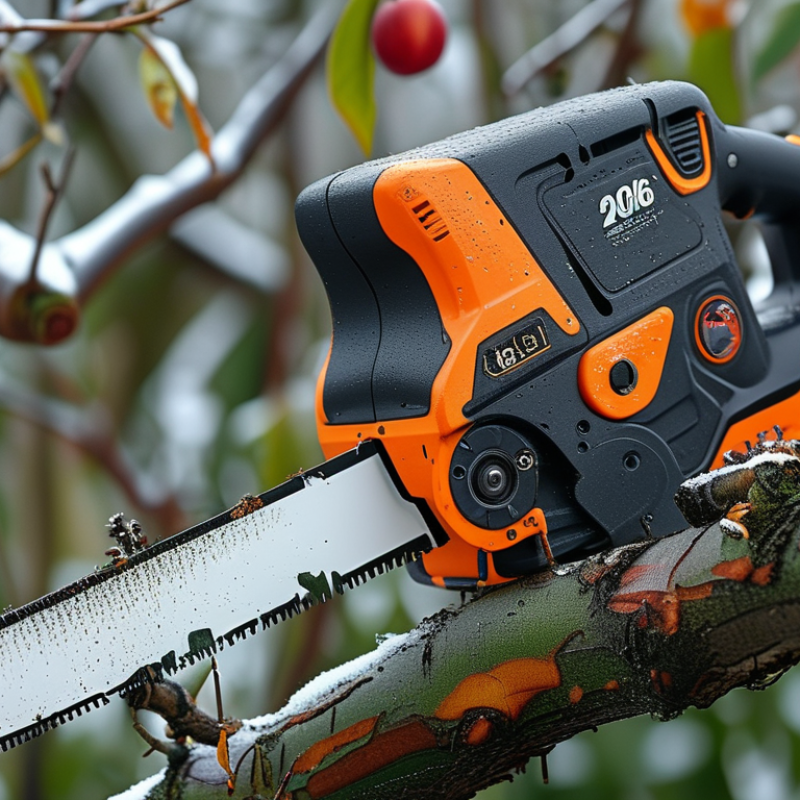
2026 Top 21V 40mm Electric Pruning Shear Guide?

What Is a 21V 40mm Electric Pruning Shear?

A 21V 40mm electric pruning shear is a battery-powered cutting tool for branches and woody stems. The 21V figure usually describes the battery system’s rated voltage, not constant output during every cut. Its 40mm specification indicates the largest branch diameter the shear may cut under suitable conditions. Dry, twisted, or unusually hard wood can reduce that capacity.

The tool normally combines a brushless motor, reduction gears, bypass blades, a trigger, and a safety lock. In field use, cutting clean, fresh branches feels quick and controlled. However, a 40mm rating is not a promise for every branch. I would check the blade opening, motor response, and battery runtime before trusting the number. A balanced handle also matters. An overly heavy shear can cause wrist fatigue after repeated cuts.

Tips: Measure typical branches before purchasing. Choose a shear with adjustable opening sizes for smaller stems. Keep the blades clean and lightly lubricated. Inspect the blade edge often; a dull blade crushes bark instead of making a clean cut. Wear eye protection and secure loose clothing. Remove the battery before cleaning or servicing the tool. The battery may lose power in cold weather, which is easy to overlook. A short trial session can reveal more than specifications alone.

How to Compare Power, Cutting Capacity, and Battery Performance

2026 Top 21V 40mm Electric Pruning Shear Guide

A 21V label does not guarantee stronger cutting. Some tools advertise peak voltage, while others state nominal voltage. Compare both figures before buying. A 40mm cutting claim also needs context. Soft green stems are easier than dry hardwood, especially near the blade limit.

Use cutting capacity as a working range, not a promise. A shear rated for 40mm may slow noticeably at that diameter. Check motor torque, blade design, and overload protection. In orchard work, repeated 25–30mm cuts often reveal more than one dramatic maximum cut. Power matters most when the blade closes smoothly without stalling.

BloombergNEF’s 2024 Battery Price Survey reported a 20% fall in lithium-ion pack prices, reaching 115 dollars per kilowatt-hour. This trend supports better battery value, but it does not prove longer runtime in a compact shear.

Battery performance requires closer comparison. Check ampere-hours, charging time, cycle claims, and performance in cold mornings. Runtime should be measured by cut count, not vague “all-day” language. A 2Ah battery may feel light, but frequent heavy cuts can drain it quickly. A larger pack adds weight to the wrist. That trade-off is easy to underestimate.

Tips: Ask for tested cut counts at a stated branch diameter. Compare two batteries if pruning lasts several hours. Keep a spare battery warm and dry. Also, question unusually high capacity claims; some specifications remain poorly explained.

Which Safety and Ergonomic Features Matter Most?

2026 Top 21V 40mm Electric Pruning Shear Guide

A 21V electric pruning shear with a 40mm cutting capacity needs more than a powerful motor. Safety controls deserve close attention. Look for a two-step start system, a trigger lock, and automatic blade stopping. These features help prevent accidental cuts during carrying or repositioning. A clear battery indicator also reduces unexpected shutdowns in the middle of pruning. The blade should stop quickly when the trigger is released. That small delay matters.

The 40mm rating is not universal. It depends on wood species, moisture, blade sharpness, and cutting angle. Forcing thick, dry branches can create kickback and increase hand fatigue. A jam-reversal function is useful, but it should not replace careful operation. Wear suitable eye and hand protection. Keep the other hand away from the cutting zone.

Ergonomics often decides whether a tool feels safe after two hours. Check the handle diameter, trigger reach, and overall balance with the battery installed. A slightly heavier model may feel steadier, but poor balance can strain the wrist. Low vibration helps during repeated cuts. A rubberized grip is useful in damp conditions, though it may still become slippery with gloves. During evaluation, make several slow cuts before judging comfort. I once focused too much on cutting speed. That was a mistake. Easy control matters more than impressive specifications.

How to Choose the Right Shear for Different Pruning Tasks

Choosing a 21V, 40mm electric pruning shear starts with the plant, not the voltage. Soft grape shoots and young fruit branches need fast, clean cuts. Mature hardwood demands stronger torque and a wider blade opening. A 40mm rating is usually a maximum capacity, not a daily recommendation. Repeatedly cutting near that limit can increase vibration, heat, and blade wear. The International Society of Arboriculture stresses that sharp, properly sized tools reduce crushing and unnecessary tissue damage during pruning.

Battery performance also deserves practical attention. The U.S. Department of Energy reported lithium-ion battery pack costs near 139 dollars per kilowatt-hour in 2023, showing why cordless tools are becoming more accessible. Still, low cost does not guarantee useful runtime. Check amp-hour capacity, charging time, battery balance, and replacement availability. For orchard work, a lighter shear may prevent wrist fatigue, even if its cutting speed is slightly lower. I have found that “maximum cuts” claims often feel optimistic in cold weather.

Tips: Match the shear to your routine. Choose a compact model for roses and thin branches. Select higher torque for dense vines and older fruitwood. Test the grip with gloves. Keep the blade clean, dry, and sharp. A safety lock, finger guard, and visible battery indicator are small features, but field mistakes happen quickly. Check the manufacturer’s cutting data against your own branch samples before buying.

How to Use, Clean, and Maintain Electric Pruning Shears Properly

A 21V 40mm electric pruning shear can make orchard and garden work faster, but correct handling matters. Before cutting, inspect the blades, trigger, guard, and battery housing. Wear eye protection and firm gloves. Keep your free hand away from the cutting area. The 40mm rating usually applies to suitable, healthy wood, not every branch in that size range. Hard, dry, or twisted branches may overload the motor. Cut with steady pressure, and never force the blades through resistant wood.

I have found that rushing creates uneven cuts and drains the battery quickly. Pause when the tool sounds strained.

Remove the battery before cleaning, clearing a jam, or adjusting the blades. Brush away leaves and sawdust with a soft, dry brush. Wipe the handle with a slightly damp cloth, but keep moisture away from electrical openings. Disinfect the blades after pruning diseased plants. Dry them immediately, then apply a small amount of suitable tool oil to the moving joint. Too much oil attracts grit.

Check blade alignment and sharpness regularly. A dull blade crushes stems instead of making clean cuts. Follow the manufacturer’s adjustment instructions, because excessive tightening can damage the mechanism. I once overlooked a loose fastener, and the cut quality changed noticeably. Store the shear with its blades closed, battery removed, and equipment kept in a cool, dry place. Inspect the battery for swelling or damage before each use.