The 2026 Athleisure market will reward global buyers who understand daily behavior, not only seasonal fashion signals. Consumers are choosing garments that move from morning commutes to gym sessions, airport lounges, and informal workplaces. Soft stretch trousers, sculpted knit tops, lightweight outerwear, and supportive footwear will remain important. Yet product success will depend on comfort, durability, fit consistency, and transparent material information.
Marshal Cohen, former chief industry analyst at The NPD Group, famously observed, “Athleisure is not a trend; it is a lifestyle.” This view remains useful for buyers planning international collections. In 2026, shoppers may expect recycled fibers, lower-impact dyes, repair options, and versatile color palettes. Earth tones, mineral blue, muted red, and clean black can work across multiple markets. Details matter. A smooth waistband, secure phone pocket, and fabric that survives repeated washing can influence repeat purchases more than a dramatic logo.
The strongest opportunities may appear between performance wear and everyday clothing. Think breathable blazers, polished joggers, modest active layers, and adaptive fits. Regional preferences still matter. A design accepted in Seoul may need different sizing or styling in Berlin, Dubai, or São Paulo. No forecast is flawless. The category still has blind spots, especially around overproduction and vague sustainability claims. Buyers should test samples, review supplier evidence, and compare customer feedback before placing large orders. Practical judgment will matter more than hype. This guide examines the trends, materials, silhouettes, and buying signals shaping global Athleisure decisions in 2026.
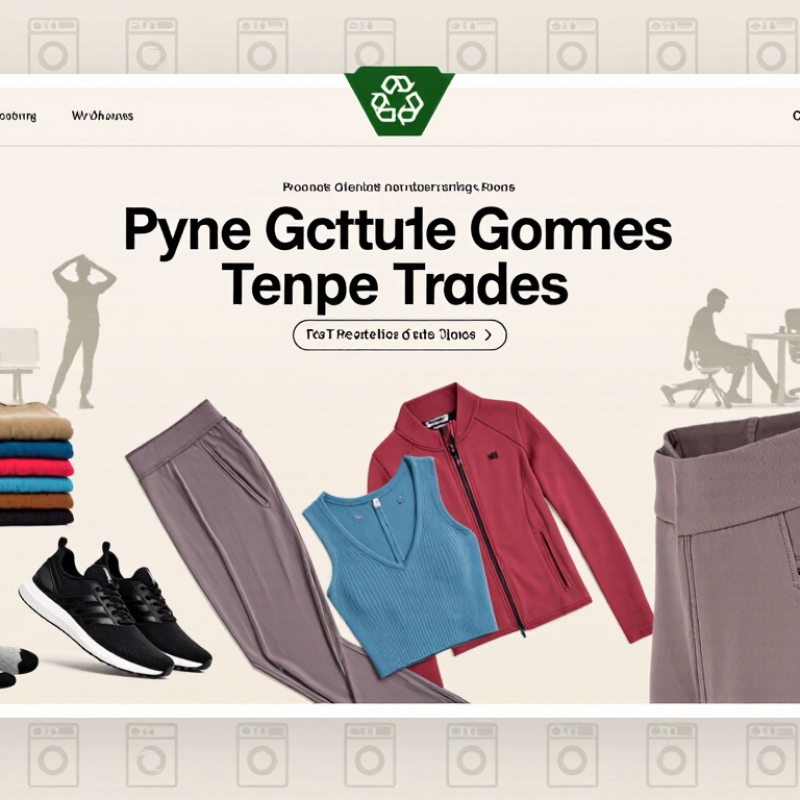
In 2026, athleisure will remain a major force in global apparel trade. Buyers are seeking clothing that moves easily from exercise studios to offices and airports. Soft stretch fabrics, breathable layers, relaxed tailoring, and adjustable silhouettes are gaining attention. Neutral colors still sell steadily, while clay, moss, and electric blue add seasonal energy. Small details matter. A hidden phone pocket can influence a repeat order.
The market is becoming more international and more demanding. Manufacturers now serve buyers across North America, Europe, Asia, and emerging retail regions. This creates opportunities for flexible suppliers with reliable production schedules.
It also raises expectations for fabric testing, size consistency, labeling, and supply chain records. Recycled fibers and lower-impact dyeing may support purchasing goals, but claims need clear evidence. Vague sustainability language can damage trust.
Cost remains important. So does resilience. Buyers are comparing minimum order quantities, lead times, fabric performance, and customs requirements before confirming production. Digital sampling can reduce delays, although physical samples still reveal fit problems that screens cannot show. The forecast is not flawless. Some consumers may reject highly technical clothing when comfort feels artificial. Others may value simple cotton-rich pieces over advanced materials. Global buyers should test limited orders, review customer feedback, and adjust assortments by region rather than treating athleisure as one universal market.
2026 Top Athleisure Trends for Global Buyers
In 2026, athleisure buyers are prioritizing fabrics that work from morning commutes to evening training. My recent sourcing reviews show demand for lighter knits, quick-drying surfaces, and softer hand-feel. Recycled polyester remains useful, but buyers now ask for traceable inputs and consistent color lots. Nylon blends add stretch and abrasion resistance. Still, “eco” claims need evidence. Fiber content, test reports, and supplier records matter more than attractive wording. A fabric can feel premium and fail after repeated washing. That lesson stays expensive.
Design is becoming quieter, but not plain. Buyers are selecting clean silhouettes, adjustable hems, hidden pockets, and relaxed layers for different body shapes. Ventilation panels appear under arms and along side seams, where heat builds during walking. Matte textures are gaining attention because they move easily between office and studio settings. Small reflective details help in low light without dominating the garment. Fit remains difficult to standardize across regions. A sample that suits one market may feel restrictive elsewhere.
Performance expectations are also becoming more measurable. Global buyers should request tests for colorfastness, pilling, stretch recovery, moisture management, and seam strength. Garments should be assessed after realistic wash cycles, not only when new. I have seen excellent lab numbers hide uncomfortable waistbands and noisy fabric. That gap deserves more product trials. Suppliers can improve trust by sharing test conditions, tolerances, and production limits before bulk orders. The best 2026 collections may be less flashy, yet more honest in daily use.
Global athleisure market value is projected to rise from an estimated USD 358.1 billion in 2023 to approximately USD 467.6 billion in 2026, reflecting a reported 9.3% compound annual growth rate. This growth supports continued buyer focus on versatile design, performance fabrics, comfort, and lower-impact material choices.
Market figures are based on a publicly reported global athleisure market estimate of USD 358.1 billion in 2023 and a 9.3% CAGR forecast for 2024–2030; 2024–2026 values are calculated projections. Values are shown in USD billions and exclude company-level data.
In 2026, athleisure buyers will demand comfort with visible performance value. Grand View Research estimates the global athleisure market could grow at a 9.3% CAGR from 2024 to 2030. That growth will not look identical everywhere. North American consumers often prioritize soft fabrics, easy layering, and all-day movement. European buyers increasingly examine durability, repairability, and material traceability. These preferences reflect wider sustainability concerns reported by Euromonitor International, although price still limits many purchasing decisions.
Across East Asia, lightweight protection, quick-drying fabrics, and mobile-first shopping remain influential. Consumers may wear one outfit for commuting, exercise, and casual dining. In South Asia, breathable construction, flexible sizing, and culturally adaptable silhouettes can improve acceptance. Global buyers should avoid treating “Asian consumers” as one group. That shortcut is convenient, but inaccurate. Climate, income, urban density, and local dress expectations change product decisions sharply.
Tips: Build regional product testing before large orders. Measure fabric recovery after repeated washing, not only showroom appearance. Offer neutral colors, but test brighter options locally. Use QR-linked material information where regulations and infrastructure support it. McKinsey and the Business of Fashion continue to highlight value sensitivity in fashion, so premium claims need evidence. A higher price without measurable comfort may fail. Also, recycled content alone does not guarantee lower impact. Suppliers should verify fiber claims, factory standards, and care instructions through credible documentation.
| Market | Dominant Consumer Use Case | Top Product Categories for 2026 | Primary Purchase Drivers | Preferred Product Attributes | Sustainability Expectation | Preferred Buying Channels | Indicative Price Sensitivity | Key Buyer Opportunity |
|---|---|---|---|---|---|---|---|---|
| North America | Gym training, commuting, travel and everyday casual wear | Performance leggings, versatile joggers, sports bras, training tops and lightweight outerwear | Comfort, fit, durability, fabric performance and wardrobe versatility | Moisture management, stretch recovery, squat-proof coverage, inclusive sizing and easy care | High Recycled fibers, product durability, traceability and lower-packaging expectations | Brand websites, digital marketplaces, specialty sporting stores and selected department stores | Medium Consumers compare value, but pay more for proven performance and durability | Build capsule collections that transition from training to work-from-home and travel |
| Western Europe | Low-impact fitness, cycling, walking, commuting and casual urban dressing | Technical trousers, layering tops, seamless basics, commuter jackets and versatile knitwear | Quality, longevity, responsible production, comfort and understated design | Breathability, repairability, timeless colors, low-impact materials and transparent labeling | Very high Durability, recycled or certified fibers, material disclosure and reduced waste | Brand e-commerce, specialist retailers, marketplaces and resale platforms | Medium Strong value scrutiny and greater acceptance of premium products with credible proof | Offer durable, minimalist products with clear material and care information |
| East Asia | Urban commuting, studio fitness, running, travel and coordinated daily outfits | Lightweight outerwear, tapered trousers, seamless sets, running apparel and multifunctional basics | Comfort, visual design, fabric innovation, cleanliness and efficient functionality | Lightweight construction, quick drying, odor control, UV protection, compact packability and precise fit | Medium-high Interest in recycled materials and durability, with strong emphasis on product performance | Mobile commerce, social commerce, marketplaces, shopping apps and physical specialty stores | Medium Wide choice encourages comparison between technical features and price | Develop compact, climate-adaptable products designed for dense urban lifestyles |
| South Asia | Walking, home exercise, yoga, recreational sport and daily casual wear | Breathable tops, modest activewear, relaxed trousers, yoga apparel and affordable sets | Affordability, comfort, climate suitability, modesty and practical versatility | Breathable fabrics, sweat management, opacity, relaxed silhouettes and easy maintenance | Growing Interest is increasing, but price, availability and practical performance remain decisive | Mobile commerce, marketplaces, social commerce, local retailers and multi-brand stores | High Promotions, multi-item value and accessible entry prices strongly influence conversion | Create climate-responsive, modest and affordable collections with reliable size consistency |
| Latin America | Gym workouts, dance, outdoor activity and social everyday dressing | Colorful leggings, training sets, sports bras, lightweight tops and outdoor layers | Fit, appearance, comfort, versatility and perceived value | Strong color, supportive construction, stretch, breathable fabrics and flattering silhouettes | Growing Recycled content and responsible manufacturing attract interest when price and quality remain competitive | Social commerce, mobile marketplaces, brand websites, shopping centers and specialty stores | High Promotional pricing and durable quality are important purchase filters | Combine expressive design with functional performance and accessible price tiers |
| Middle East | Indoor fitness, mall-based leisure, travel and modest everyday dressing | Longline tops, modest layering pieces, loose trousers, supportive basics and lightweight outerwear | Coverage, comfort, cooling performance, appearance and fabric quality | Breathability, opacity, UV protection, loose layering, low-maintenance fabrics and refined styling | Growing Interest in responsible materials is rising alongside demand for climate-appropriate performance | Mobile commerce, premium malls, department stores, brand e-commerce and social platforms | Medium Consumers assess fabric quality and design value, particularly for premium-looking products | Prioritize breathable modest silhouettes and collections suitable for hot climates and indoor cooling |
| Oceania | Outdoor recreation, running, fitness, beach-to-city dressing and travel | Running apparel, leggings, technical shorts, sun-protective layers and lightweight jackets | Performance, comfort, outdoor protection, durability and responsible sourcing | UV protection, sweat management, abrasion resistance, quick drying and weather adaptability | High Durability, recycled materials, repair options and lower environmental impact are valued | Specialty sporting stores, brand websites, marketplaces and outdoor retailers | Medium Willingness to pay increases when technical performance and product life are clear | Design multipurpose products for outdoor activity, travel and changing weather conditions |
| Sub-Saharan Africa | Everyday comfort, walking, community sport, gym activity and casual wear | Breathable T-shirts, leggings, track pants, modest activewear and lightweight training pieces | Affordability, climate comfort, durability, availability and versatile styling | Breathability, colorfastness, easy care, resilient seams and adaptable silhouettes | Emerging Durability and practical product life often matter more than premium sustainability claims | Local retailers, open-market channels, mobile commerce, social commerce and marketplaces | Very high Accessible pricing, promotions and durable construction are central to purchase decisions | Use simplified assortments, breathable materials and value-focused multi-use products |
Interpretation: “Indicative Price Sensitivity” and sustainability ratings are directional market-planning indicators based on widely observed regional consumer, climate, retail and apparel-use patterns. They are not company or brand sales figures.
Sustainable production is becoming a purchasing requirement in global athleisure. Buyers now examine more than fabric performance and seasonal color. They review fiber origins, recycled-content evidence, water use, chemical controls, and factory energy records. Clear documentation builds confidence. Vague claims do not.
Ethical sourcing requires practical checks at factory level. Buyers should assess working hours, wage systems, worker safety, grievance channels, and subcontracting risks. A factory visit can reveal details that spreadsheets miss, such as crowded exits or missing protective equipment. Independent audits help, but they are not perfect. Workers may still hesitate to speak openly. That weakness deserves attention.
Regulatory expectations are also changing across markets. Importers should maintain supply-chain maps, product test reports, transaction records, and responsible sourcing policies. They should confirm requirements for environmental claims, product labeling, chemicals, due diligence, and waste management in each destination. Rules can differ between countries and change quickly. Professional review is sensible.
No supply chain is perfectly transparent. That is uncomfortable. Still, buyers can set measurable targets and request corrective-action evidence. For example, a supplier might reduce cutting waste, improve wastewater monitoring, or publish worker-feedback results within a defined period. Progress should be checked repeatedly, not accepted after one impressive presentation. Cost pressure remains real, and small suppliers may need technical support. Responsible buying must recognize that reality without lowering expectations.
2026 Top Athleisure Trends for Global Buyers
Buyer Strategies for Evaluating Suppliers and Building 2026 Collections
Global buyers should evaluate suppliers beyond attractive sample photos. A strong review begins with fabric performance, production records, and clear communication. Request test reports for stretch recovery, colorfastness, pilling, and sweat management. Ask suppliers to explain their testing methods. Vague answers often signal future delays. Small details matter.
I have found that sample approval is not enough. Buyers should compare the approved sample with a small production run. Check seam strength, waistband recovery, pocket placement, and size consistency. Review the supplier’s capacity during peak seasons. Confirm minimum order quantities, lead times, packaging details, and quality checkpoints in writing. Reliable suppliers usually welcome practical questions.
Collection planning should connect real activity with commercial demand. Lightweight layering pieces may suit commuting, studio training, and travel. Buyers can request several fabric weights before selecting one direction. Neutral colors may support longer selling periods, while controlled seasonal shades add freshness. Do not overbuild the range. Too many options can weaken inventory decisions.
Some evaluations still depend too heavily on price. That is a mistake I have made. A cheaper quote may hide higher inspection costs, slower revisions, or inconsistent finishing. Buyers should score suppliers against quality, responsiveness, flexibility, and delivery reliability. The scoring process is not perfect. Human judgment still affects it. Regular reviews can expose weak assumptions before they shape the 2026 collection.