2026 Top Ats Automatic Transfer Switch Buying Guide?
In today's ever-changing energy landscape, the importance of reliable backup power systems cannot be overstated. An Ats Automatic Transfer Switch is crucial in ensuring uninterrupted power supply during outages. As we approach 2026, the market is flooded with options, making it challenging to choose the right one.
This buying guide aims to simplify your decision-making process. It combines expert insights and practical tips, helping you navigate the features and specifications of various ATS automatic transfer switches. Understanding these devices can be daunting. However, knowing what to look for can empower you as a consumer.
We've dissected the key features of the best models available. Safety, compatibility, and efficiency are non-negotiable aspects that you must consider. Additionally, real-life testimonials reveal common pitfalls to avoid. Investing in a reliable ATS automatic transfer switch is not just a purchase; it’s a commitment to maintaining power security for your home or business.
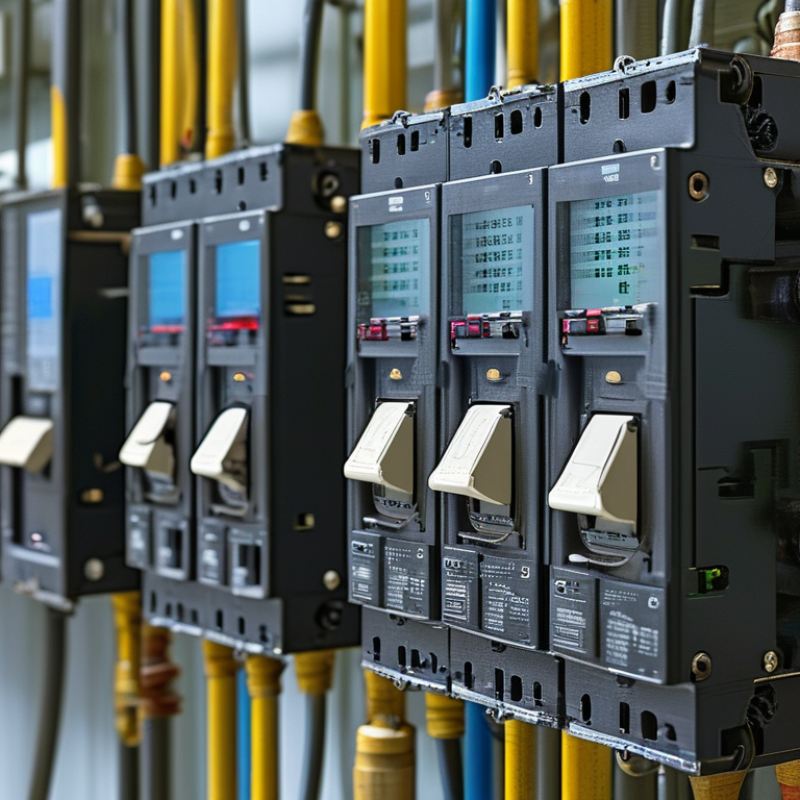
Understanding Automatic Transfer Switches: A Comprehensive Overview
Automatic Transfer Switches (ATS) are critical for ensuring uninterrupted power supply. These devices automatically switch to a backup generator when the main power source fails. This feature is essential for businesses and homes that rely on continuous power. Understanding the functionality and benefits of ATS is crucial for making informed purchasing decisions.
When selecting an ATS, consider its capacity and response time. The switch must handle your power requirements seamlessly. A quicker response time minimizes disruptions during outages. Familiarity with the installation process is also important. Professional installation can prevent future complications. However, many users overlook this step, leading to operational inefficiencies.
The choice of an ATS might seem straightforward, yet complexities arise. Various models offer different levels of automation and monitoring. Some users may find the array of features overwhelming. Reflect on your specific needs versus the available options. Evaluating your situation ensures the right match, enhancing reliability and safety.
2026 Automatic Transfer Switch Market Analysis
Key Features to Consider When Buying an ATS for Your Needs
When selecting an Automatic Transfer Switch (ATS), certain key features play a crucial role. Among them is the switch's transfer time, which greatly influences the performance during power outages. According to industry standards, an ideal ATS should have a transfer time of less than 30 seconds to ensure minimal disruption. Longer delays can lead to equipment damage or data loss, particularly for critical operations.
Durability and reliability are essential as well. An ATS typically undergoes rigorous testing to meet industry certifications like UL 1008. Such certifications ensure that the product can withstand harsh conditions over time. A 2022 report by the Electric Power Research Institute indicated that nearly 20% of ATS failures stem from lack of maintenance, signifying that product longevity relies heavily on proper upkeep.
Moreover, consider the load capacity. The ATS should be tailored to handle the specific power demand of your systems. Overloading can cause significant failures, leading to costly downtime. Data from the National Electrical Manufacturers Association shows that choosing the right load size can enhance system efficiency by up to 35%. Balancing these features will guide you in making a well-informed decision for your needs.
Comparative Analysis: Different Types of Automatic Transfer Switches
An automatic transfer switch (ATS) is crucial for ensuring uninterrupted power supply. There are several types of ATS available. Each type has its own unique features and applications. Understanding these differences can help you make a more informed choice.
The most common types include open transition, closed transition, and soft loaded transfer switches. Open transition switches are the simplest. They briefly disconnect from the power source when switching. This may lead to a momentary power interruption. Closed transition switches allow a seamless transition without a power gap. This is essential for sensitive equipment. Soft loaded transfer switches combine both methods. They enable power sharing between two sources, but require more complex setups.
Different facilities have different needs. A hospital, for example, requires a reliable closed transition switch. However, a small business might opt for a simpler open transition model. You must assess your specific requirements. Consider factors like load capacity, frequency of use, and the value of continuous power. These choices are often tied to the critical nature of operations. Always consult with professionals for the best solution suited to your situation.
Installation and Maintenance Tips for Optimal ATS Performance
When it comes to automatic transfer switches (ATS), proper installation is crucial for ensuring reliable performance. Begin by selecting a suitable location. It should be dry, well-ventilated, and easily accessible. Ensure that the switch is positioned away from any obstructions. Improper placement can lead to overheating or malfunctions.
Maintenance plays a key role in the longevity of your ATS. Regular inspections are essential. Check for signs of wear or damage, especially on electrical connections. Dust and dirt can accumulate within the enclosure. Clean it regularly to avoid potential issues.
Keep an eye on the operating temperature. Temperature spikes may indicate problems that require immediate attention. Testing the ATS under load is also vital. Conduct routine functional tests to ensure it operates as intended. This proactive approach helps identify issues before they become critical.
Cost Factors: Budgeting for Your Automatic Transfer Switch Purchase
When planning to buy an automatic transfer switch, budget plays a crucial role. Consider initial costs, which can range significantly. Prices depend on power capacity, features, and installation needs. Higher capacity switches often cost more.
Additional factors influence your overall budget. Installation fees vary based on complexity. Always factor in potential ongoing maintenance costs too. It’s wise to set aside funds for unexpected repairs or replacements.
Evaluate your specific power needs. This helps in choosing the right switch. A tailored approach ensures efficient spending. Discuss your choices with a knowledgeable expert. This can help identify any hidden costs. Remember, a well-planned budget not only saves money, but also enhances long-term reliability.
2026 Top Ats Automatic Transfer Switch Buying Guide - Cost Factors
| Feature | Description | Estimated Cost ($) |
| Power Rating | Measured in kVA, determines the load capacity. | 3,000 - 20,000 |
| Type | Open transition, closed transition, soft loading options. | 1,500 - 5,000 |
| Material | Metal enclosure for durability and protection. | 500 - 1,500 |
| Control Interface | Digital panel, remote monitoring options. | 200 - 1,000 |
| Installation | Professional installation is advised for safety. | 500 - 2,000 |
| Warranty | Typically 1-5 years, longer for premium models. | N/A |
| Service Agreement | Regular maintenance and support services. | 100 - 400 annually |
