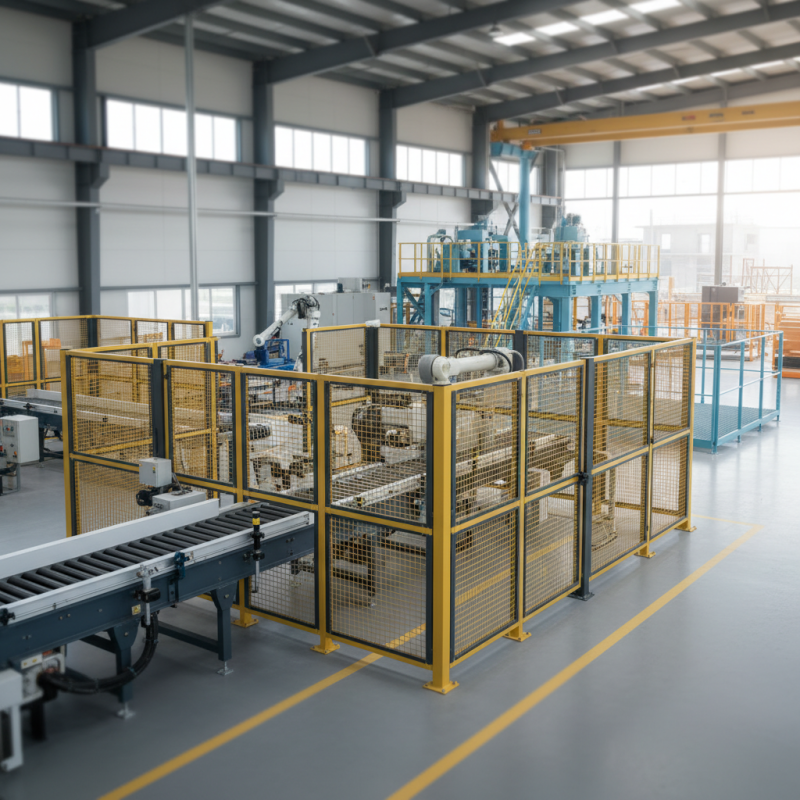
Why Choose FRP Guarding for Your Industrial Needs?
In the industrial landscape, safety and efficiency are paramount. FRP guarding is an innovative solution gaining attention. With its unique properties, FRP guarding offers robust protection in various applications. It is lightweight yet strong, making it ideal for harsh environments.
Companies face challenges such as equipment wear and accidents. Traditional guarding materials often fall short in durability and effectiveness. FRP guarding addresses these concerns with its corrosion resistance and long lifespan. Operators can trust that FRP solutions will reduce downtime and improve safety standards.
Understanding the advantages of FRP guarding requires insight into its applications. Whether in manufacturing, oil and gas, or construction, its benefits are clear. However, not every application is suited for FRP. It’s essential to consider specific needs and conditions. A careful evaluation empowers businesses to make informed choices.
Understanding FRP Guarding and Its Composition
Fiber Reinforced Polymer (FRP) guarding is gaining traction in various industrial sectors. Understanding its composition is vital for informed decisions. FRP is made from a polymer matrix reinforced with glass or carbon fibers. This combination yields a lightweight, durable product ideal for harsh environments. Reports indicate that the global FRP market is projected to grow at a CAGR of 10.5% from 2021 to 2028.
FRP guarding offers corrosion resistance, which is essential in chemical and marine applications. Its non-conductive characteristics make it safe for electrical applications. The versatility of FRP enables it to be molded into different shapes. However, the production process can be energy-intensive, raising questions about its environmental impact.
**Tip:** Always consider the specific needs of your environment when selecting materials. Conducting a cost-benefit analysis can help you choose wisely.
FRP also withstands extreme temperatures, which is crucial for industries like oil and gas. However, its UV susceptibility may require additional protective measures. Monitoring aging and degradation in long-term use is necessary for operational safety. Ensuring regular inspections can mitigate potential issues.
**Tip:** Implementing a maintenance schedule can enhance the lifespan of your FRP guarding.
Benefits of Choosing FRP Guarding for Industrial Applications
FRP guarding offers distinct advantages for industrial applications. Its lightweight nature allows for easy installation and relocation. This can save both time and labor costs in various environments. The material is also resistant to corrosion, making it ideal for industries that deal with harsh chemicals. This durability means less frequent replacements, leading to long-term savings.
In addition, FRP guarding provides excellent safety features. It can withstand significant impacts, reducing the risk of injuries. The visibility of FRP designs contributes to overall site safety. Workers can clearly see barriers, leading to fewer accidents. Yet, companies must regularly check these guardings to ensure they remain effective. Over time, wear and tear can occur, necessitating ongoing assessments.
When considering aesthetics, FRP guarding can be customized in various colors and designs. This flexibility adds to the appeal in workplaces where visual presentations matter. However, the initial cost can be a concern for some businesses. Balancing upfront expenses against long-term benefits can be challenging. Ultimately, evaluating the specific needs of an industrial setting is crucial for making an informed decision.
Why Choose FRP Guarding for Your Industrial Needs?
| Feature | Description | Benefits |
| Corrosion Resistance | FRP materials are inherently resistant to chemicals and harsh environmental conditions. | Reduces maintenance costs and extends lifespan of guarding solutions. |
| Lightweight | FRP materials are significantly lighter than traditional guarding materials. | Easier handling, installation, and transportation. |
| Non-conductive | FRP is non-metallic and does not conduct electricity. | Safer in electrical environments, reducing risk of accidents. |
| Customizable | Can be molded into various shapes and sizes for specific applications. | Provides tailored solutions that meet unique industrial requirements. |
| Aesthetic Appeal | Available in various colors and finishes. | Enhances the visual aspect of industrial environments. |
Comparing FRP Guarding with Traditional Materials
Choosing FRP (Fiber Reinforced Polymer) guarding for industrial applications presents distinct advantages over traditional materials. Studies indicate that FRP is significantly lighter than metals, weighing up to 75% less. This reduction in weight translates to easier installation and less labor cost, making it an attractive option. However, an important consideration is its impact resistance. While FRP has superior flexibility, it may experience wear over time in extremely harsh environments. This potential fragility poses questions about long-term durability, which industry leaders should evaluate based on specific operational conditions.
In contrast, traditional materials like steel or aluminum offer robust strength. They can handle heavy impacts without deforming. Reports indicate that these materials have a higher initial installation cost. However, their longevity often justifies the expense. For example, a comparative study highlighted that steel guardrails can last up to 30 years with minimal maintenance. This longevity, however, often comes with heavier corrosion issues in industrial settings, leading to additional costs over time.
While FRP is an innovative solution with benefits, it also comes with uncertainties. End users need to weigh FRP’s adaptability and resistance to environmental chemicals against traditional materials’ reliability. Ultimately, selecting the right guarding solution hinges on individual industrial needs and an honest assessment of both materials' long-term performance.
Installation and Maintenance Considerations for FRP Guarding
When considering FRP guarding for industrial applications, installation and maintenance require careful planning. The lightweight nature of FRP materials simplifies installation, often needing fewer resources. However, incorrect installation can lead to compromised safety. It's crucial to engage skilled technicians who understand the specific site requirements and safety standards.
Maintenance of FRP guarding is another critical aspect. Regular inspections help identify potential issues early. Damage from environmental factors, such as UV exposure or chemical spills, can weaken the structure. Adequate maintenance routines should include cleaning and assessing for erosion or cracks. Documentation of maintenance activities can be beneficial for long-term safety.
Be mindful that not all FRP guarding systems perform equally under stress. Some applications demand heightened robustness. Evaluating the specific needs of your industrial environment is essential. This reflection can significantly enhance safety and efficiency, ensuring that the FRP guarding meets its intended purpose effectively.
Safety and Environmental Benefits of FRP Guarding in Industry
Fiberglass-reinforced plastic (FRP) guarding is increasingly recognized for its safety advantages and environmental benefits in industrial settings. This material offers a lightweight yet robust solution that excels in protecting personnel and machinery. Its inherent properties resist corrosion, making it ideal for harsh environments where traditional materials might fail. For example, chemical spills are less of a concern, as FRP does not degrade easily.
In addition to its physical strengths, FRP guarding significantly contributes to environmental safety. Its long lifespan reduces the need for frequent replacements, subsequently minimizing waste. By opting for FRP, industries can lower their overall environmental footprint. However, it’s crucial to consider the production processes of FRP and their impact on the environment. Simply choosing FRP does not guarantee sustainability; a holistic view is necessary.
While FRP guarding shows promise, challenges remain in its application. Proper installation is essential for maximizing safety benefits. If not installed correctly, it can lead to safety gaps. Regular maintenance checks are also necessary to ensure ongoing reliability. Companies should be proactive in addressing these issues to fully leverage the advantages of FRP.