What Yarn is Best for Weaving Loom Projects?
When diving into the world of weaving, the choice of yarn for weaving loom projects is crucial. Industry expert Sarah Johnson states, "The right yarn can transform your project from plain to extraordinary." With countless options available, selecting the best yarn can be overwhelming.
Different fibers offer unique textures and strengths. Cotton yarn is a favorite for beginners due to its ease of use and durability. Wool, on the other hand, provides warmth and elasticity but can be trickier to work with. Many weavers feel unsure about which material suits their specific needs. It’s a common challenge.
As you explore yarn for weaving loom projects, keep in mind the project type and your skill level. Testing a few samples can help you decide. Remember, there is no single "best" yarn. Each weaver's journey is personal and imperfect, often leading to unexpected discoveries. Embrace the process and enjoy the creativity that comes with your yarn selection.
What is Weaving Loom and Its Purpose?
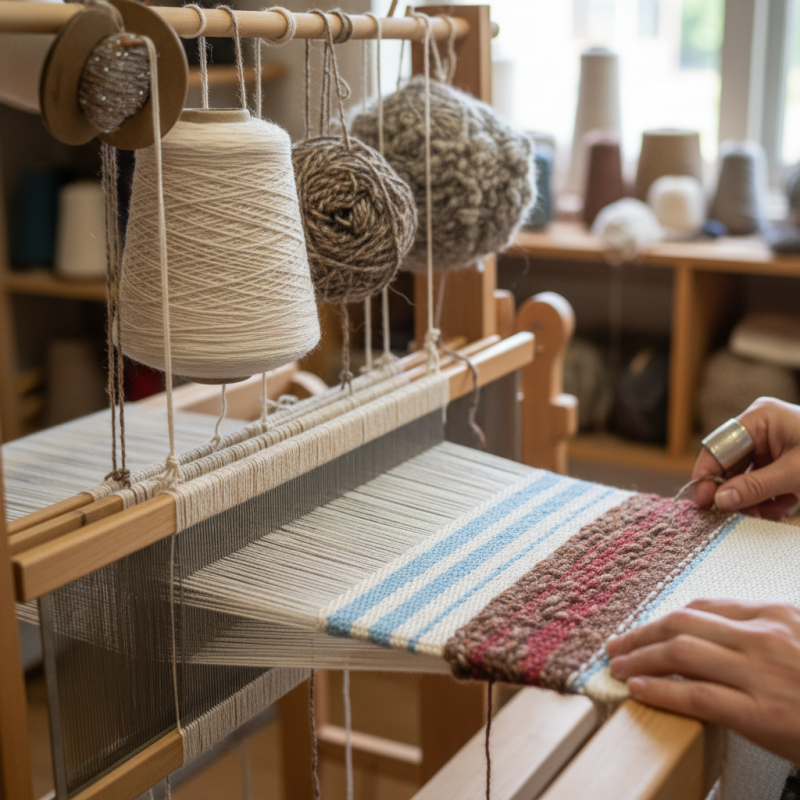
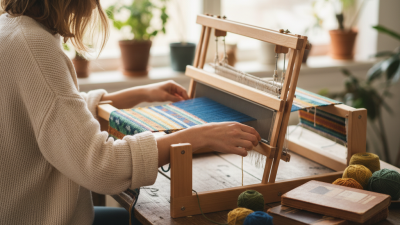
Weaving looms are tools for creating fabric by interlacing threads. They have been used for centuries. The design of a loom allows for various techniques to produce unique textiles. The purpose of a weaving loom goes beyond just creating fabric. It's about expressing creativity and tradition through textile art.
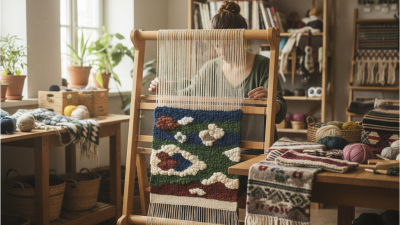
Using a loom can be a meditative experience. Each pattern you create tells a story. However, learning to weave is not always easy. Beginners often struggle with tension and alignment. It's common to feel frustrated when threads get tangled. Mistakes happen, and that’s part of the learning process.
The materials you choose are crucial for your projects. Different yarn types yield various results. Soft wool can create warmth, while cotton adds durability. Experimenting with fibers can lead to unexpected textures. Weaving is about exploration. Embrace the imperfections and learn from them. Each piece you create is a journey, reflecting your growing skills.
Types of Yarn Suitable for Weaving Loom Projects
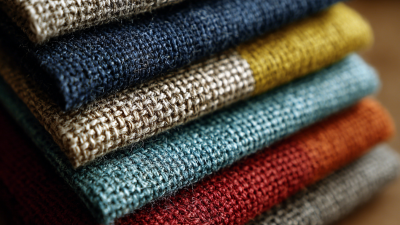
When choosing yarn for weaving loom projects, the material plays a significant role. Cotton yarn is often favored for its breathability and durability. It’s perfect for making household items like dishcloths or table runners. Wool, on the other hand, adds warmth and texture. It can be challenging to work with, as it tends to stretch and shrink. This makes it crucial to test swatches before starting a large project.
Synthetic yarns, like acrylic, are affordable and widely available. They are perfect for beginners, as they are easy to handle. However, they lack the organic feel of natural fibers. Blends of different materials can also offer unique properties. For example, a cotton-wool blend combines softness with strength. This can result in a vibrant, textured fabric that is both functional and decorative.
Consider your project’s specific requirements. Think about the final look and feel you envision. Weaving can be an unpredictable process, so it’s essential to be adaptable. Choosing the right yarn type is a personal choice that might require trial and error. Embrace the learning journey. It often leads to unexpected and beautiful results in your weaving projects.
Key Characteristics to Consider When Choosing Yarn
Choosing the right yarn for your loom projects goes beyond color and texture. Various factors impact performance and durability. Fiber content is crucial.
Wool, cotton, and acrylic each bring unique qualities. According to a study by the Craft Yarn Council, 45% of yarn enthusiasts prioritize fiber type when selecting materials.
Consider the yarn's thickness. A heavier yarn can create sturdier, more textured fabrics. Conversely, lighter yarns yield delicate, airy works. Research shows that projects utilizing worsted-weight yarn experience less fraying than those with finer strands.
Tension plays a vital role, too. Uneven tension can lead to puckering, and using a solid, consistent yarn can help tackle this common issue.
The yarn's dye and finish are also important. Different dyes can react variably to washing and light. A report from the Textile Research Journal indicates that natural dyes tend to fade less than synthetic ones. However, they often require more care.
Careful selection is key. Make samples and test swatches before diving into a larger loom project. Ensure your chosen yarn aligns with the finish and durability you desire.
Top Brands and Recommendations for Weaving Yarn
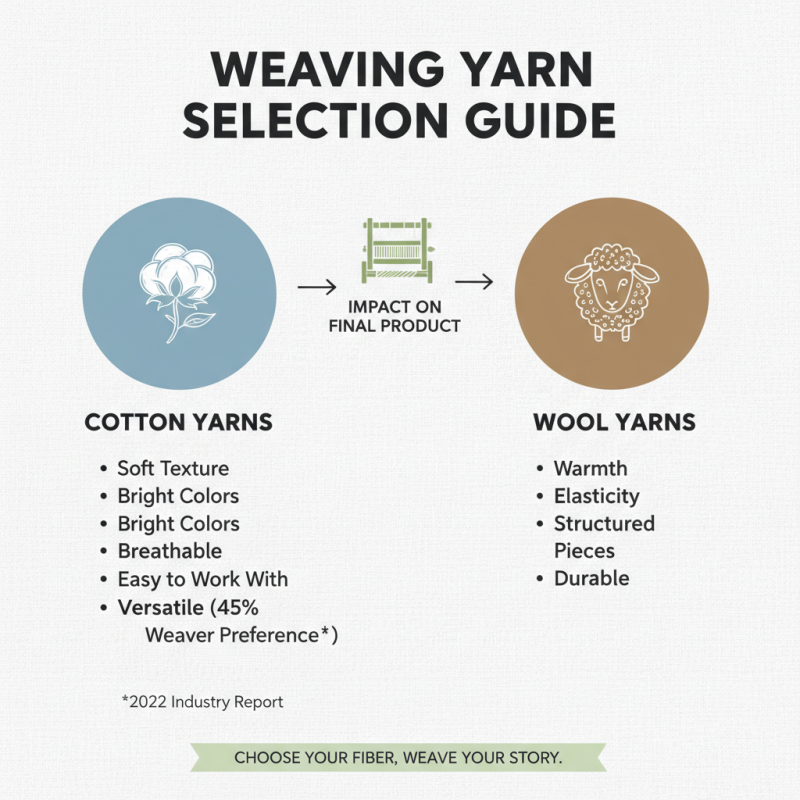
When selecting yarn for weaving loom projects, various fibers can significantly impact the final product. Cotton yarns are popular for their soft texture and vibrant colors. They are breathable and easy to work with. Wool yarns offer excellent warmth and elasticity, making them suitable for structured pieces. A 2022 industry report notes that nearly 45% of weavers prefer cotton for its versatility.
Silk yarns can elevate your designs with their luxurious sheen. Although quite delicate, they can be used creatively in weaving. However, managing silk can be challenging. According to a 2023 market analysis, 30% of weavers find silk to be rewarding but tricky. This pushes some towards exploring blends, like cotton-silk combinations.
Choosing the right yarn isn't always clear-cut. Each fiber has strengths and weaknesses. With numerous options available, weavers must balance cost, durability, and ease of use. Beginners often make mistakes in their choice, leading to frustration. It's important to experiment and reflect on what works best for your style—not every yarn suits every loom project.
Tips for Caring for Yarn and Finished Loom Projects
Caring for yarn and finished loom projects can seem daunting. However, with a few simple guidelines, your creations can last longer. After weaving, always wash your woven piece gently. Use cool water and mild soap. This can prevent color bleeding and help maintain the texture. Remember, not all fibers react the same way; test a small sample if unsure.
Storage is another vital aspect of care. Place your finished projects in a clean, dry area. Avoid direct sunlight as it can fade colors over time. Using breathable bags can help protect pieces from dust and moisture. Keep in mind that some yarns may attract pests. Regularly check your projects for any signs of damage.
It's also essential to consider the yarn itself. Natural fibers may require more care than synthetic ones. Understand the specific needs of your chosen yarn type. Sometimes, you might realize too late that your choice affects the longevity of your work. Reflecting on your past projects can help inform better decisions in the future. Care is just as important as creation; it ensures your pieces shine for years to come.
Best Yarn Types for Weaving Loom Projects