Choosing a Zwx Gear Motor for an international project involves more than comparing prices. Buyers need to match the motor’s output, reduction ratio, mounting style, and operating conditions to the actual machine. A conveyor moving steady loads has different demands from a mixer facing frequent starts. Small details matter. A mismatch can mean excess heat, noise, or avoidable maintenance.
This 2026 guide helps global buyers assess Zwx Gear Motor options with practical questions, not unsupported promises. It explains which specifications to check, how to compare supplier documentation, and what details to confirm before requesting a quotation. Look for rated power, output speed, torque, duty cycle, voltage, and protection rating. Also check dimensions and shaft details against the equipment drawing. Close enough may not be enough.
Supplier claims deserve careful review. Ask for a current datasheet, clear model identification, and written confirmation of the selected configuration. Where a project requires particular certifications or regional electrical compatibility, verify the relevant documents with the supplier and qualified local professionals. Requirements can differ by market and application. A polished product page is useful, but it cannot replace technical evidence. That may seem cautious. It is. Comparing options becomes more reliable when buyers record their operating conditions, installation limits, and service expectations before choosing. The best fit is not necessarily the most powerful model; it is the one whose documented performance suits the job.
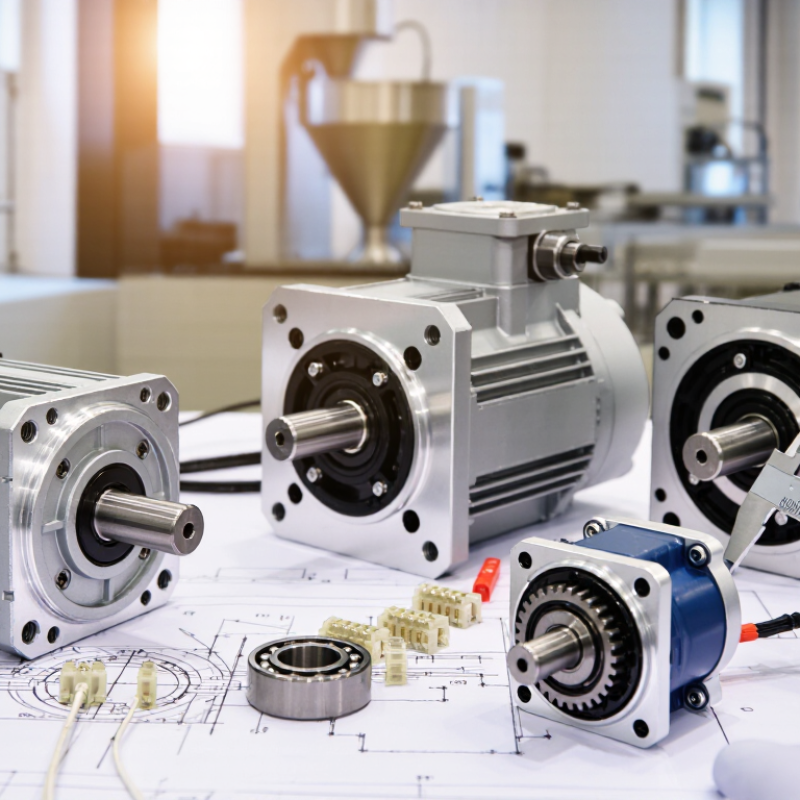
“ZWX” is not a universal engineering standard; it may be a product-series designation. In general, a gear motor combines an electric motor and a reduction gearbox. The motor turns an input shaft, while meshing gears lower output speed and increase available torque. With a 20:1 reduction ratio, output speed is roughly one-twentieth of the motor’s speed before losses. Simple, but not loss-free.
Actual performance depends on the gearbox design, motor speed, load, and operating conditions. For example, a conveyor carrying boxes may need steady low-speed torque, while a mixer can face changing resistance. The U.S. Department of Energy’s 2014 motor-system sourcebook estimates that motor-driven systems account for about 68% of electricity use in U.S. manufacturing. That figure makes efficiency worth checking, but it does not predict one unit’s energy use. Compare rated output, duty cycle, service factor, and gearbox efficiency against the real application.
Tip: Confirm the required output speed and torque under load, not just the motor’s rated power. Check mounting position, shaft dimensions, and enclosure rating, too. A catalog label can look clear while leaving important details unstated. Ask for a performance curve or test data when available.
Which Gear Motor Types and Specifications Matter?
Choosing a gear motor starts with the machine’s actual load, not its advertised peak capacity. Helical units suit many continuous-duty drives and offer smooth operation. Worm gear motors can provide compact, high reduction, though efficiency and heat need checking. Planetary designs can deliver high torque in a small package, while bevel types help redirect power through an angle. The best fit depends on space, noise, operating time, and load changes.
Compare output torque, speed, reduction ratio, motor power, and duty cycle against the equipment’s real demands. Check mounting position, shaft dimensions, supply voltage, frequency, enclosure rating, and ambient temperature. For frequent starts or reversing, confirm the motor and gearbox can handle those conditions. A datasheet helps, but its figures may assume ideal conditions. That part is easy to miss. Allow for startup loads and reasonable service margin, then confirm the selection with a qualified supplier.
Tips: Share a simple duty profile: load, hours per day, starts per hour, and required output speed. Ask for noise, thermal, and efficiency data at your operating point. If one measurement is uncertain, say so; a precise-looking guess can still lead to the wrong motor.
| Gear Motor Type | Typical Gear Ratio | Approx. Gearbox Efficiency | Typical Output Torque Range | Common Applications | Key Selection Considerations |
|---|---|---|---|---|---|
| Helical | About 3:1–100:1, depending on the number of stages | About 90–97% for many designs | From a few Nm to tens of thousands of Nm, depending on frame size and ratio | Conveyors, mixers, packaging lines, and general industrial drives | Good choice when efficiency and continuous operation matter. Check mounting position, shaft arrangement, service factor, and thermal capacity. |
| Worm | About 5:1–100:1 or higher in selected designs | Often about 50–90%; varies substantially with ratio, materials, and operating conditions | From a few Nm to several thousand Nm, depending on size | Compact right-angle drives, lifts, gates, and low-speed machinery | Compact and quiet, but efficiency and heat generation need careful review, especially at high ratios and under continuous duty. |
| Bevel-helical | Commonly about 6:1–200:1 across available configurations | About 90–96% for many designs | From tens of Nm to tens of thousands of Nm, depending on frame size | Right-angle conveyors, material handling, and process equipment | Useful where a right-angle shaft layout and high load capacity are needed. Confirm shaft orientation, mounting, and permitted radial and axial loads. |
| Planetary | Commonly about 3:1–100:1; multiple stages can provide higher ratios | About 90–97% for many designs | From a few Nm to tens of thousands of Nm, depending on size and configuration | Servo axes, robotics, indexing equipment, and compact high-torque drives | Offers high torque density and compact dimensions. Check backlash, peak torque, radial load, and compatibility with the motor flange. |
| Parallel-shaft helical | Commonly about 3:1–200:1, depending on stages | About 90–97% for many designs | From a few Nm to tens of thousands of Nm, depending on size | Conveyors, feeders, and machinery requiring an in-line or parallel shaft layout | Compare shaft position, output-shaft options, mounting orientation, and the space available for the gearbox. |
| Specifications Global Buyers Should Confirm Before Ordering | |||||
| Specification | What to State | Why It Matters | |||
| Rated power and speed | Motor output power in kW, motor rated speed in rpm, and required gearbox output speed in rpm | These values establish the drive operating point. For an approximate ratio, divide motor speed by the required output speed, then confirm the available ratio and resulting torque with the supplier. | |||
| Output torque and load profile | Required continuous torque, peak or starting torque, load type, starts per hour, and operating hours | A gearbox must handle both steady and transient loads. Shock loads and frequent starts may require a higher service factor or a different design. | |||
| Electrical supply | Available voltage, frequency, phase, and whether a variable-frequency drive will be used | Motor voltage and frequency must match the installation. Common industrial supplies include three-phase 400 V at 50 Hz and 460 V at 60 Hz, but availability varies by country and site. | |||
| Mounting and output arrangement | Foot or flange mounting, mounting position, shaft direction, and solid or hollow output shaft | The correct arrangement is essential for mechanical fit, lubrication, and installation. Confirm dimensions and allowable shaft loads on the drawing. | |||
| Protection and environment | Required IP rating, ambient temperature, dust or moisture exposure, and any corrosion-protection requirements | Protection needs depend on the installation. IP55 is a common industrial motor option, but the required rating should be selected for the actual environment and verified for the complete assembly. | |||
| Duty and thermal limits | Duty cycle, daily operating time, ambient temperature, and any ventilation or cooling constraints | Continuous operation, frequent starts, high ambient temperature, and low output speed can affect permissible motor and gearbox loading. | |||
| Compliance and documentation | Applicable destination-market requirements, nameplate details, wiring diagram, outline drawing, and test documents | Requirements vary by destination and application. Confirm the applicable regulations and requested documentation before placing an order. | |||
The figures above are general engineering reference ranges for gear motor technologies, not guaranteed specifications for any particular model. Actual torque, ratio, efficiency, dimensions, and protection ratings vary by design, size, operating conditions, and manufacturer. Request a model-specific datasheet and dimensional drawing before selection.
A gear motor should be compared against the job it must perform, not just its listed power. Start with load, required output speed, and operating hours. A conveyor moving steady cartons may need consistent torque and long duty cycles. A mixer can face changing resistance, especially during startup. Peak torque matters. Check whether the stated rating covers continuous operation or only short-term use.
Compare gear ratios alongside motor speed. A higher reduction ratio can deliver slower output and greater torque, but it may not suit a machine that needs quick changes in speed. Review the duty cycle, starting frequency, mounting position, and available space. A motor that fits the frame but blocks access to a coupling can create avoidable maintenance work. Check the technical sheet for thermal limits and permitted loads on the output shaft.
The site matters too. Dust, washdown, heat, and vibration can affect enclosure and bearing requirements. Measure the actual load where possible; estimates based only on machine size can be misleading. A first selection may look right on paper, then run hot during repeated starts. That is worth checking early. Confirm dimensions, wiring needs, and service access with the equipment supplier before ordering.
Before purchasing a gear motor for international use, match its rated output torque and speed to the actual load. A motor that starts a conveyor may still overheat during repeated stops. Ask for duty-cycle limits, reduction ratio, and permissible starting frequency. Check the supply voltage and frequency against the installation site, not just the shipping destination. Small mismatch, costly delay.
Review the datasheet, wiring diagram, mounting dimensions, and protection rating together. If the motor will run near washdown areas or dusty equipment, confirm the enclosure rating suits those conditions. Request test records for the specific model and clarify what the warranty covers, including parts and labor. Also check spare-part availability and lead times before placing a large order. A catalog can look complete and still leave awkward gaps. I would ask the supplier to confirm any unclear figures in writing, especially shaft dimensions and temperature limits. If those details are missing, pause and compare another documented option. A sample run under your real load can reveal noise, vibration, or heat that a specification sheet cannot. Not every buyer can arrange one, but skipping validation deserves a second thought.
How to Choose the Best ZWX Gear Motor in 2026
Choose a ZWX gear motor by starting with the machine, not the catalog. Note the required output speed, load, operating hours, and available space. A conveyor moving cartons needs steady torque; a positioning unit may need accurate starts and stops. Small details matter. Estimate the torque with a safety margin, but avoid oversizing, which can increase cost and energy use.
Check the gear ratio, motor power, voltage, mounting position, and shaft dimensions against your equipment. Confirm whether the stated torque applies continuously or only for short periods. Ask for a duty rating, thermal limits, and efficiency data. If the motor will run near dust, moisture, or frequent washdowns, verify its enclosure rating and sealing details. A matching shaft does not guarantee a suitable installation.
Compare technical documents, warranty terms, spare-part access, and supplier response times. Request a dimensioned drawing and confirm key measurements before ordering. For a critical machine, test a sample under realistic load and temperature conditions. I would not rely on a headline torque figure alone; it leaves too much unanswered. Selection is rarely perfect on paper, and a small test can reveal noise, heat, or vibration that a specification sheet misses.
Compare theoretical output torque at different speeds for a gear motor delivering 1 kW of mechanical power.
How to use this chart: Lower output speed provides higher theoretical torque at the same power. Values are calculated using torque (N·m) = 9550 × power (kW) ÷ speed (rpm). They exclude gearbox losses; check the product’s rated output torque, service factor, duty cycle, and operating conditions before selecting a motor.