Weavetech

China Top 10 Bamboo Pulp Toilet Paper Manufacturers?

Choosing a Bamboo Pulp Toilet Paper manufacturer in China involves more than comparing prices or browsing polished product photos. Buyers need to examine pulp sources, sheet strength, softness, packaging options, production capacity, and quality-control practices. A roll may look smooth on a sample table yet feel rough or shed lint in daily use. Small details matter.

This guide introduces ten manufacturers for buyers exploring the Chinese market. It is a starting point, not a fixed ranking: company capabilities, product lines, and export services can change. Before contacting a supplier, check whether its specifications clearly state ply count, roll dimensions, paper weight, and available packaging. Ask for recent samples, production lead times, and relevant quality documents. Then compare the answers, not just the brochures.

Some claims deserve a second look. “Eco-friendly” can mean different things, so ask what materials are used and how the manufacturer supports its claims. A low quotation may exclude custom printing, shipping preparation, or other requirements. That is easy to miss. The strongest supplier is not always the largest; it is one that communicates clearly and can meet your needs consistently. This overview aims to make the shortlist more useful, while recognizing that independent checks and direct discussions remain essential before placing an order.
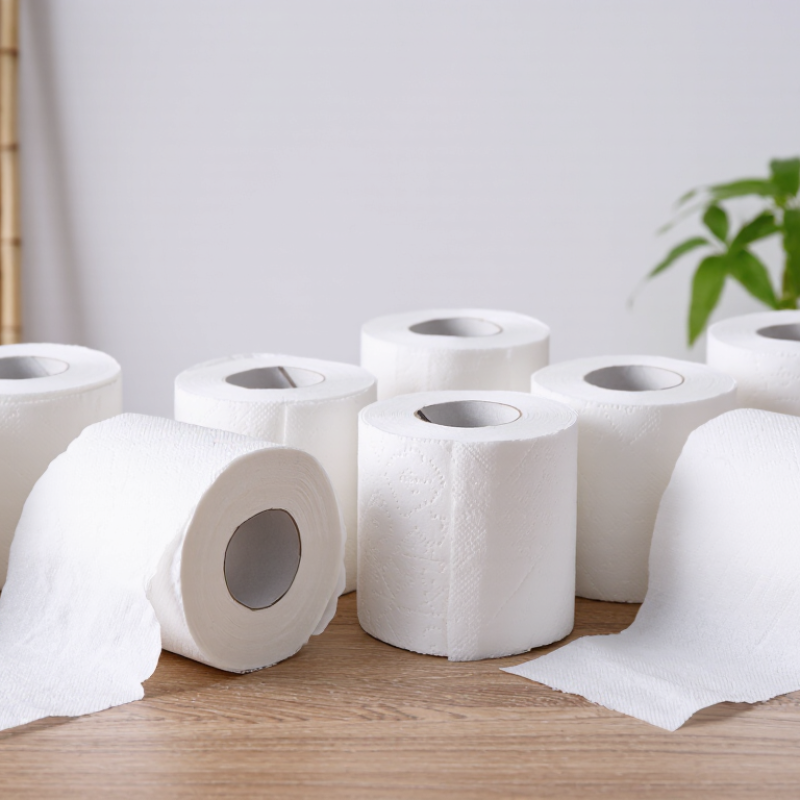
China Top 10 Bamboo Pulp Toilet Paper Manufacturers?

What Bamboo Pulp Toilet Paper Is and How It Is Made

Bamboo pulp toilet paper is tissue made from fibers extracted from bamboo, rather than from wood. Bamboo stalks are typically cut into small chips, then processed to separate usable fibers from other plant material. The pulp is washed and refined before it reaches a paper machine. Details vary by mill. Some products use only bamboo pulp, while others blend it with different fibers, so the label deserves a closer look.

On the machine, a thin layer of pulp is spread over a moving screen, where water drains away. Heated rollers dry the sheet, and later steps can add texture, soften the feel, and wind the paper into rolls. That is the basic path. The final feel depends on fiber preparation, sheet thickness, embossing, and how tightly the roll is wound—not simply on the word “bamboo.” Bamboo is not automatically softer or more sustainable in every case. Growing practices, pulping methods, energy use, and wastewater treatment also matter. The label alone tells only part of the story. When comparing products, check the stated fiber content and ask how the pulp is processed. Some details may be difficult to confirm, and that uncertainty is worth acknowledging.

How China’s Leading Manufacturers Are Identified

China’s leading bamboo pulp toilet paper manufacturers are identified through evidence, not polished catalogues. A credible assessment starts with the factory: reviewers check whether it controls pulping, tissue production, and converting, or outsources key stages. They also trace bamboo sourcing and ask for records showing how incoming pulp is inspected. Clear answers matter.

Product samples should be tested across more than one batch. Compare sheet weight, softness, absorbency, wet strength, perforation, and roll consistency. Ask for production capacity, lead times, and documented quality checks. Certifications can support a supplier’s claims, but verify their scope and validity with the issuing organization. Factory audits and export references add useful context. No single scorecard is perfect; weighting softness over consistency, for example, can distort a ranking.

Tips: Request samples from separate production runs, then test them with the same simple checklist. Keep dated records of results and supplier responses. Small differences matter. A pleasant first sample is not proof of dependable supply. Look for evidence that the manufacturer can explain its process clearly and address weak results without vague promises.

Profiles of 10 Chinese Bamboo Pulp Toilet Paper Manufacturers

This guide profiles ten Chinese manufacturers of bamboo pulp toilet paper through their production strengths, sourcing practices, and product focus. Some facilities may handle pulping and tissue conversion under one roof; others specialize in converting purchased pulp into finished rolls. That distinction matters. It affects traceability, production flexibility, and how clearly a supplier can explain its raw materials.

The profiles examine practical details buyers can verify: bamboo pulp content, sheet ply, roll dimensions, core size, and packaging options. A sample roll tells part of the story. Check whether the sheets separate cleanly, feel consistent across the roll, and hold together when damp. Ask for current product specifications and relevant test documents, rather than relying on broad claims such as “eco-friendly.” Those claims can mean different things.

Manufacturers also vary in order quantities, customization, and export experience. One may suit steady bulk orders, while another may offer more flexible packaging or product formats. Not every profile will be a perfect match. Factory capacity can change, and published details may not reflect a current production run. Direct questions and recent samples help close that gap.

China’s Bamboo Pulp Toilet Paper Industry: Raw-Material Context

Typical harvest-readiness ranges provide context for bamboo-based tissue manufacturing; they are not company-level production figures.

Bamboo is commonly reported as harvestable for use after about 3–5 years, while tree-pulpwood rotations vary widely by species and region. The ranges shown are general industry context, not a guarantee of sustainability or a measure of any manufacturer’s operations.

How Their Products and Production Capabilities Compare

Comparing China’s top bamboo pulp toilet paper manufacturers requires more than checking softness or price. Production capability shows how reliably a supplier can meet an order. Review monthly output, converting equipment, quality checks, and lead times. Ask whether quoted capacity covers finished rolls or only parent paper reels. Those figures are not interchangeable. A factory with high output may still struggle with custom embossing or smaller trial orders.

Product comparisons should include sheet count, ply, basis weight, roll size, and packaging. Request samples from the same product specification, then check texture, absorbency, lint, and how the sheets separate. Recycled or bamboo-based content claims should be supported by clear material documentation. One detail is easy to overlook: a softer sample may use a different weight, making a direct comparison unfair. No single test captures everyday comfort perfectly.

Tips: Ask for recent production records and a written quality-control process. Compare sample specifications line by line. Check how defects are handled, not just how they are inspected. If a supplier cannot explain capacity or material sourcing clearly, pause before ordering. A small pilot run helps, though it may not reveal every seasonal or shipment-related issue.

What Buyers Should Consider When Choosing a Manufacturer

Choosing a bamboo pulp toilet paper manufacturer in China takes more than comparing unit prices. Buyers should define the product before requesting quotations: recycled or virgin bamboo pulp, sheet count, roll length, ply, core size, and packaging. Ask for measured basis weight, wet strength, absorbency, and lint results, not just descriptions such as “soft” or “strong.” Small details matter. A roll that feels good in a sample may unwind poorly in a dispenser or vary across a full shipment.

Request samples from different production batches. Compare them under the same conditions, including how quickly they absorb water and whether the sheets tear when damp. Review quality-control records and ask how the factory handles pulp inspection, production checks, and rejected goods. A site visit or independent audit can help confirm that stated capacity and equipment match actual operations.

Check sustainability claims against specific documentation, rather than relying on packaging language. Also confirm carton dimensions, pallet arrangements, lead times, and how defects are resolved. Price still matters, of course. But I would be cautious about choosing the lowest quote before understanding what it excludes; freight, packaging changes, or inconsistent quality can erase the apparent savings. Sample testing is useful, though it cannot tell the whole story.