Why Choose Ir Lens for Your Optical Needs?
In today's fast-evolving optical industry, selecting the right lens is crucial. Many professionals are turning to Ir Lenses for their diverse benefits. According to a recent report from the Optical Society, the global market for IR optics is expected to reach $15 billion by 2025. This underscores the growing demand for high-quality optical solutions.
IR lenses are known for their ability to transmit infrared light effectively. This feature plays a vital role in applications ranging from thermal imaging to medical devices. The precision provided by these lenses can significantly improve the performance of optical systems. However, not all IR lenses are created equal. Some may suffer from aberrations that affect image quality.
Choosing the right IR lens requires knowledge and careful consideration. The details can influence the effectiveness of the optical system dramatically. A lens that works for one application may not suit another. As the demand for reliable optical components continues to rise, understanding these nuances becomes essential. Investing in the right IR lens is not only a matter of preference; it's a pivotal step toward achieving optical excellence.
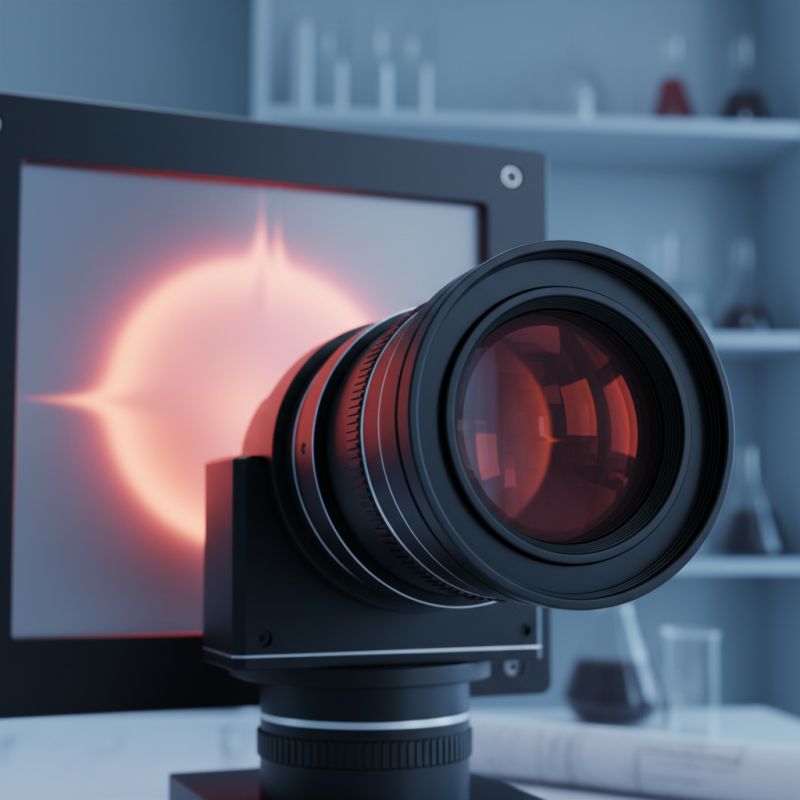
Benefits of Using Ir Lens in Optical Applications
Infrared (IR) lenses have become increasingly important in various optical applications. These lenses operate effectively beyond the visible spectrum, enhancing functionality in diverse settings. According to a report from Research and Markets, the global infrared optics market is projected to grow at a CAGR of 10.7% from 2021 to 2026. This growth reflects a rising demand in sectors such as surveillance, automotive, and healthcare.
The primary advantage of IR lenses lies in their ability to transmit infrared wavelengths that are invisible to the human eye. This feature allows for greater visibility in low-light conditions. In security applications, IR lenses enable the detection of potential threats even in complete darkness. A study by the International Journal of Security and Safety reveals that systems utilizing IR technology demonstrate up to 90% accuracy in threat detection compared to traditional methods.
Furthermore, these lenses offer enhanced thermal imaging capabilities. They can effectively capture heat patterns, making them invaluable in building inspections and firefighting. A survey indicates that 70% of professionals in the construction industry utilize thermal imaging for energy audits. However, challenges remain, such as the higher cost of materials and potential difficulties in alignment during installation. These factors necessitate careful consideration for effective implementation in practical applications.
Understanding the Functionality of Ir Lens in Optical Devices
When considering optical devices, the functionality of IR lenses cannot be overlooked. These lenses are designed to capture infrared light, enabling the detection of heat signatures. This capability is critical in various fields, including security, medical imaging, and environmental monitoring. According to a report by MarketsandMarkets, the IR lens market is expected to reach $7.45 billion by 2025, indicating a growing reliance on such technology.
Understanding how IR lenses work is essential. They utilize materials like germanium or chalcogenide glass, which are transparent to infrared wavelengths. This allows for high-resolution imaging of objects based on their thermal emissions. Particularly in medical applications, infrared imaging can reveal temperature variations, helping in the diagnosis of conditions like inflammation or vascular issues.
Tips: When selecting an IR lens, consider the wavelength range and the desired resolution. Lens design impacts both performance and cost. Evaluate multiple options to ensure the right fit for your specific application. Be aware that selecting an inappropriate lens can lead to suboptimal performance. Always verify specifications from reliable sources to avoid potential pitfalls in your project.
Comparison of Ir Lens with Other Optical Lens Types
IR lenses are specifically designed to detect infrared light, setting them apart from standard optical lenses. Unlike regular lenses that focus on visible light, IR lenses excel in low-light and heat-sensitive environments. This capability is crucial for applications like thermal imaging and surveillance, where detecting heat signatures is vital. The impact of using IR lenses is often seen in industries like security and environmental monitoring.
When comparing IR lenses with others, durability is a critical factor. IR lenses are often more robust against environmental challenges like dust and moisture. Yet, they can be heavier and more expensive than their visible-light counterparts. Optical clarity also varies; while IR lenses provide excellent thermal sensitivity, they may not always deliver the same precision in visual clarity. Users must weigh these aspects depending on their specific needs. Many users find themselves reassessing the balance of performance and cost.
Why Choose IR Lens for Your Optical Needs?
This bar chart illustrates the performance ratings of different optical lens types, specifically comparing IR lenses with visible and UV lenses. The data indicates that IR lenses have a higher performance rating due to their specialized capabilities in infrared light transmission.
Key Factors to Consider When Choosing Ir Lens
When selecting an IR lens, consider the application. Different uses require specific properties. For instance, thermal imaging needs high sensitivity. This helps detect temperature variations in objects.
Another important factor is the lens material. Common choices include germanium and zinc selenide. Germanium offers great infrared transmission, but it can be heavy and fragile. Zinc selenide is lighter, yet it requires careful handling. Analyze your environment before making a choice.
Don’t overlook the coating options. Anti-reflective coatings can enhance the lens performance. However, choosing the wrong coating can lead to reduced clarity. Reflect on your priorities. Balancing quality and cost is crucial. Each decision shapes your optical experience. Aim for a lens that meets your needs without overspending.
Real-World Applications of Ir Lens in Various Industries
IR lenses have become essential in various industries due to their unique capabilities. In the medical field, they enhance imaging techniques. According to a report by MarketsandMarkets, the medical imaging market is expected to reach $41 billion by 2025. This growth indicates the rising reliance on IR technology for precise diagnostics.
In the industrial sector, IR lenses play a key role in predictive maintenance. Thermography is increasingly used to monitor equipment. A study published in the Journal of Infrared Physics and Technology shows that using IR cameras can reduce maintenance costs by up to 30%. By detecting heat anomalies early, businesses avoid costly downtimes, showing a strong return on investment.
In security applications, IR lenses provide enhanced surveillance capabilities. Law enforcement utilizes this technology to improve nighttime visibility. A survey by the Security Industry Association indicated that 65% of security professionals believe IR systems are crucial for effective monitoring. However, the effectiveness of these systems can vary based on environmental conditions. This shows the importance of continuous assessment and improvement in IR technology.
