Why Choose a Yarn Winding Machine for Your Business Needs?
In the competitive textile industry, selecting the right equipment is crucial. A yarn winding machine plays a vital role in enhancing production efficiency. According to industry expert, Dr. Emily Tran, "Investing in a high-quality yarn winding machine increases not only output but also the quality of the finished product." This highlights the machine's importance in any yarn-related business.
Choosing a yarn winding machine goes beyond mere functionality. It impacts operational costs and product quality directly. A reliable machine can reduce waste and improve consistency in yarn production. However, the initial investment can be daunting for some companies. It requires careful consideration and planning to ensure that the benefits outweigh the costs.
Some businesses may hesitate and continue manual processes, which could hinder growth. Investing in a modern yarn winding machine might seem overwhelming. Yet, the long-term savings and improvements in quality can provide a significant return. Making this choice means acknowledging both the risks and rewards associated with evolving technology in textile production.
Factors to Consider When Selecting a Yarn Winding Machine
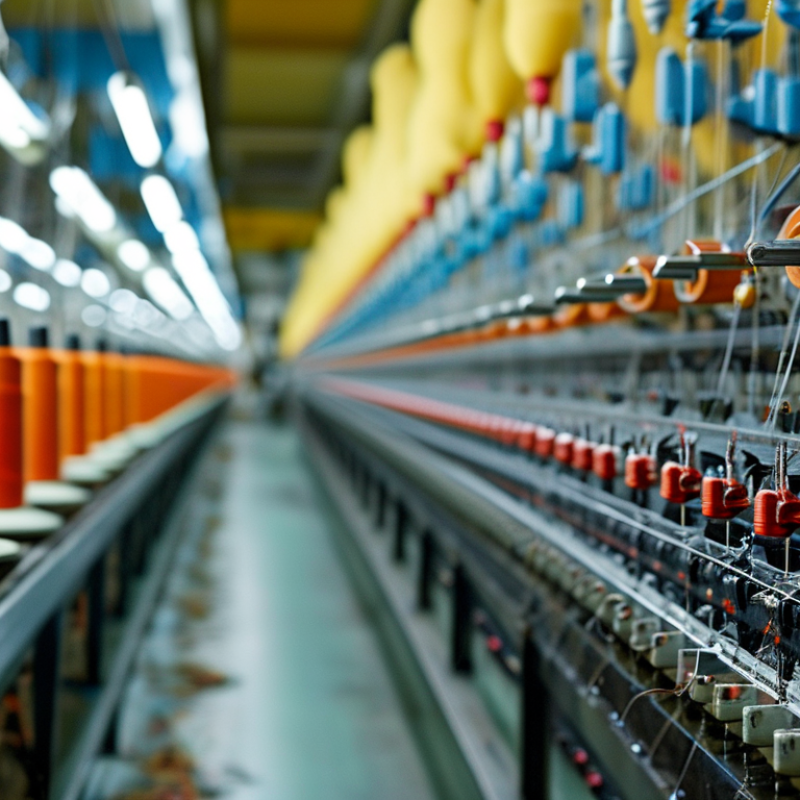
When selecting a yarn winding machine, several key factors influence your choice. Understanding your production needs is vital. Different machines cater to various yarn types and production speeds. Analyze the yarn thickness and texture your business handles regularly. Some machines perform better with finer threads, while others excel with bulkier yarns.
Maintenance is another crucial consideration. Machines require regular upkeep to maintain efficiency. Look for models that offer easy accessibility for cleaning and repairs. It's essential to assess the availability of support services from manufacturers. Having reliable help when issues arise can save you time and money.
Operational efficiency matters as well. Consider machines with programmable functions. These features enable precise control over the winding process. Some machines allow you to store multiple winding patterns. This versatility can greatly enhance your production workflow.
Think about the noise level too. A quieter machine can improve workplace comfort. Each aspect contributes to a more streamlined operation. Choose wisely to fit your specific needs and goals.
Benefits of Using a Yarn Winding Machine for Production Efficiency
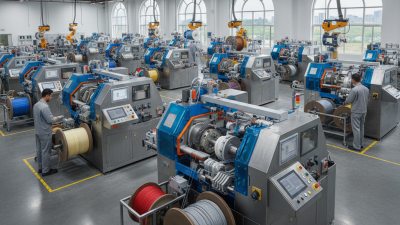
A yarn winding machine is essential for enhancing production efficiency in textile businesses. By automating the winding process, these machines reduce manual labor and increase precision. This means fewer errors and higher quality products. With features like adjustable tension, they can handle various yarn types. Each spool can be wound consistently, saving time during subsequent production steps.
Using a yarn winding machine can also significantly boost output. In a competitive market, speed is crucial. Machines can operate continuously, which allows for high-volume production. However, operators must be trained properly to handle the equipment. Mismanagement may lead to yarn breakage or downtime, which can offset gains.
Investing in a yarn winding machine offers flexibility. Different configurations can accommodate varying yarn weights and textures. This adaptability allows businesses to experiment with new products. Yet, it also requires constant evaluation of processes. Regular checks can prevent machine failure and ensure optimal performance. Proper maintenance is vital for longevity and efficiency.
Types of Yarn Winding Machines Available in the Market
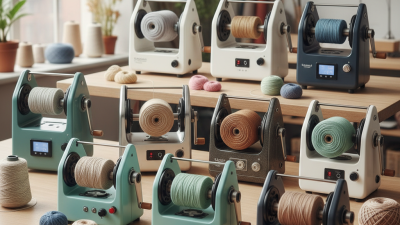
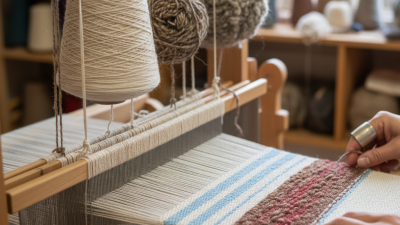
When selecting a yarn winding machine, it helps to understand the different types available in the market. The first type is the manual yarn winder. This model is suitable for small operations. It requires physical effort and may have limitations in speed. However, it is cost-effective and ideal for craft enthusiasts.
Next, consider the semi-automatic yarn winder. This option combines manual input with automatic features. It can handle larger quantities and offers better precision. Semi-automatic machines are often preferred by small businesses looking to scale production without a hefty investment.
Lastly, fully automatic yarn winders are designed for high-volume operations. They can speed up the process significantly and reduce labor costs. Businesses with high demands benefit from this type of machine. Still, potential buyers should reflect on their operation scale when investing. Choosing the right model requires assessing business needs and budget constraints. The market offers various choices, but the best fit depends on specific requirements.
Common Applications of Yarn Winding Machines in Various Industries
Yarn winding machines play a vital role across various industries. Textile manufacturing relies heavily on these machines to ensure efficient production. In the apparel sector, winding machines enhance the preparation of yarn for weaving or knitting. According to a report by Market Research Future, the global textile machinery market is projected to reach $115 billion by 2027, underscoring the importance of efficient manufacturing techniques.
In the carpet industry, yarn winding machines facilitate the production of elaborate designs. These machines help in loading and organizing the yarn, enabling high-speed operations. This directly impacts the quality and durability of carpets. A survey conducted by Technavio showed that effective yarn management could reduce waste by up to 30%. Streamlined processes are essential for sustainability in textile manufacturing.
Additionally, the yarn winding process is integral in the production of technical textiles. These specialized fabrics are used in various applications, including automotive and aerospace sectors. The demand for high-performance textiles is rising, and accurate winding ensures better performance. However, companies must regularly maintain these machines for optimal results. Neglect can lead to operational delays and increased costs. Effective machine management is crucial for maintaining product quality and meeting market demands.
Maintenance Tips for Maximizing Yarn Winding Machine Longevity
Maintaining a yarn winding machine is crucial for its longevity and efficiency. Regular upkeep can significantly reduce operational downtimes. According to industry reports, machines with consistent maintenance can experience productivity increments of 20%. Ignoring basic maintenance can lead to costly repairs and replacements.
Routine checks should include lubricating moving parts and inspecting tension systems to prevent excessive wear. For instance, a report from the Textile Machinery Association highlights that improper tension can lead to a 10% drop in yarn quality. Many users neglect to monitor these parameters weekly. This oversight can diminish not just machine life, but also product integrity.
Cleaning the machine should be a regular habit. Dust accumulation may lead to overheating issues, affecting the winding process. Studies show that 30% of machine failures arise from dust-related complications. Additionally, utilizing the machine within its specified limits is essential. Overworking can strain components, leading to premature failures. Embracing a proactive maintenance attitude is not just advisable; it's vital for securing a profitable operation in the competitive textile industry.