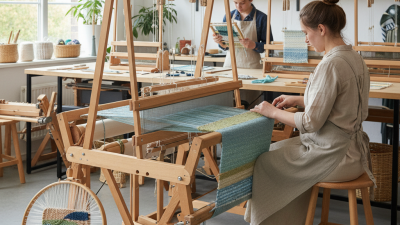
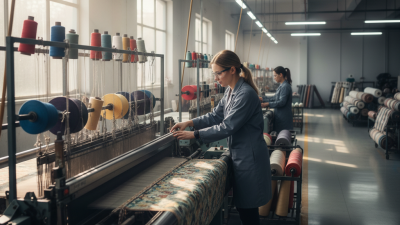
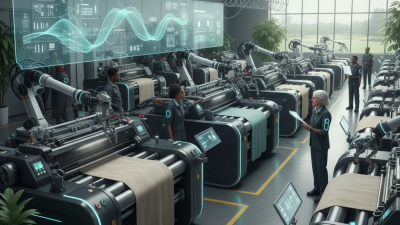
How to Choose the Best Textile Machine for Your Business?
Choosing the right textile machine is crucial for any business in the textile industry. Industry expert John Smith, a veteran with over 20 years of experience, emphasizes, "The right machine can elevate production efficiency significantly." This statement underscores the importance of understanding specific needs before making a purchase.
Different textile machines serve various functions. For instance, weaving machines differ greatly from knitting machines. Assessing your production goals and materials is vital. Consider not only the price but the long-term value and maintenance requirements. This decision can be overwhelming, as the options are vast and specifications can be confusing.
Reflecting on past experiences, many businesses have fallen into the trap of selecting machines based solely on price. Often, they realize later that cheap options lack durability. Such missteps can lead to costly downtimes. Investing in quality may seem higher upfront, but it often pays off in the long run. Thoughtful consideration and expert guidance are key to making a wise choice in textile machines.
Understanding Your Business Needs for Textile Machinery Selection
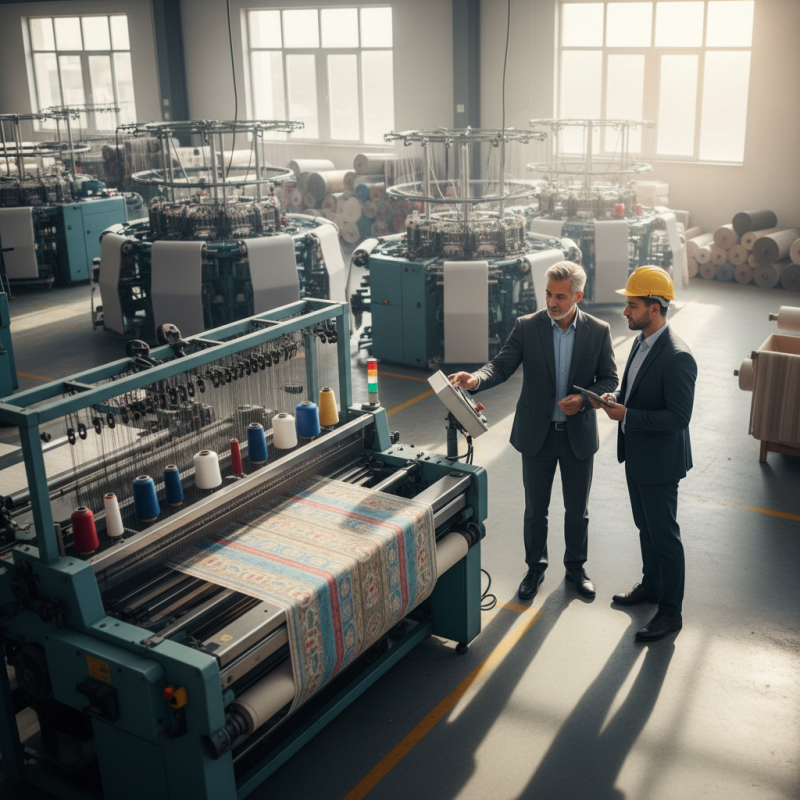
When selecting textile machinery, understanding your business needs is crucial. Assess your production volume and type of fabric. Identify specific processes you require, such as weaving or dyeing. Consider the machine's output speed and efficiency. These factors directly impact your productivity and profitability.
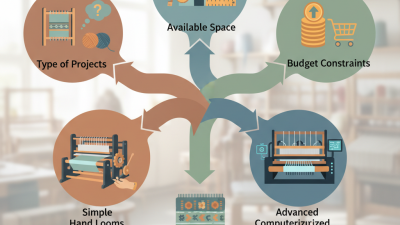
Next, evaluate your space and budget. Some machines require significant floor space and maintenance, which may not fit all setups. Think about future growth. A machine with limited capabilities may hinder your expansion plans. Balancing immediate needs with long-term goals is vital for making the right choice.
Lastly, collect feedback from industry peers. Their experiences can shed light on the reliability and performance of different machines. Keep in mind that not every option will suit your needs perfectly. A machine might excel in one area but fall short in another. Reflect on your unique challenges and make an informed decision that aligns with your objectives.
Evaluating Different Types of Textile Machines and Their Functions
When selecting the right textile machine, understanding their diverse functions is crucial. Different types of machines serve various purposes in the textile manufacturing process, from weaving to finishing. For instance, weaving machines are essential for creating fabric from yarn. Analysis from the International Textile Manufacturers Federation indicates that weaving accounts for about 50% of textile production costs. This highlights the importance of investing in high-quality weaving technology.
Knitting machines offer another dimension, producing stretchy and comfortable fabrics. They can be either flat or circular, catering to specific market needs. According to a report by Research and Markets, the global knitting machine market is projected to grow at a CAGR of 6% through 2026. Choosing the right type requires clear understanding of what your products demand.
Finishing machines also play a crucial role, enhancing fabric quality and appearance. This includes dyeing, printing, and coating processes. Different machines yield various fabric textures and properties. Misjudging these could lead to cost inefficiencies. Industry reports suggest that improper finishing leads to 15% of production waste, which can impact profitability. Evaluating machines based on these functions can guide you towards making informed investments for your business.
How to Choose the Best Textile Machine for Your Business?
| Machine Type |
Function |
Production Capacity (units/hour) |
Energy Consumption (kWh/hour) |
Maintenance Frequency (months) |
| Jet Loom |
Weaving fabrics |
120 |
5 |
6 |
| Circular Knitting Machine |
Knitting fabrics |
80 |
4 |
4 |
| Flat Knitting Machine |
Producing sweaters |
50 |
3 |
5 |
| Sewing Machine |
Stitching fabrics |
100 |
2 |
4 |
| Overlock Machine |
Finishing edges |
90 |
2.5 |
3 |
Analyzing Cost-Effectiveness and ROI of Textile Machines
When selecting a textile machine, understanding cost-effectiveness and ROI is vital. Start by considering initial costs. Expensive machines may promise advanced features but assess their actual value. Look at the long-term benefits compared to upfront expenses.
Next, evaluate operating costs. Machines require maintenance, training, and energy. A cheaper machine can lead to higher operational costs over time. Calculate how quickly you will recoup your investment. Analyze labor needs, productivity rates, and downtime. Each aspect affects your bottom line.
Consider the machine’s adaptability. The textile industry evolves rapidly. Machines that can handle various materials or designs often yield better ROI. Reflect on flexibility in production. Will your machine remain reliable as trends shift? Balancing price, efficiency, and potential growth is critical in decision-making.
Reviewing Supplier Credibility and Support Services in Textile Industry
When selecting a textile machine, evaluating the credibility of suppliers is vital. Look for suppliers with a strong track record. Their experience in the industry often reflects their reliability. Seek out testimonials from previous clients. Authentic feedback can shine a light on a supplier's strengths and weaknesses.
Support services are another critical aspect. Ensure that suppliers offer training and maintenance. This can greatly impact your operations. A machine may perform well initially, but ongoing support is essential for long-term success. Check if they have knowledgeable staff available for troubleshooting.
Consider the geographic location of your supplier. Proximity can aid in faster service and support. If parts need replacement, a nearby supplier can reduce downtime. Reflect on the consequences of not having a reliable support system. Investing time into assessing these factors can save headaches later on. Emphasizing these aspects will equip you with the right machine and support for your textile business.