Why Choose the Best Bobbin Winders for Your Business Needs?
When it comes to textile production, selecting the right equipment is crucial. Bobbin winders play a pivotal role in ensuring efficiency and quality. These machines streamline the winding process, saving time and reducing errors. For businesses, investing in the best bobbin winders can enhance productivity and ultimately lead to better products.
Many businesses overlook the importance of choosing the right bobbin winders. This oversight can result in wasted resources and decreased output. Quality bobbin winders ensure consistent tension and reduce the risk of tangles. Moreover, they can handle various thread types and sizes. This versatility is essential in today's competitive market.
Understanding your specific needs is vital before making a decision. Consider factors such as production volume and types of materials. Researching different models helps in finding the best match. Don’t shy away from seeking expert advice. The right bobbin winders can be a game-changer, transforming your business operations and product quality.
Understanding Bobbin Winders: Definition and Functionality
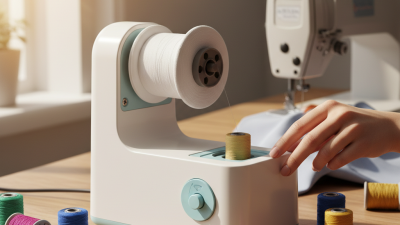
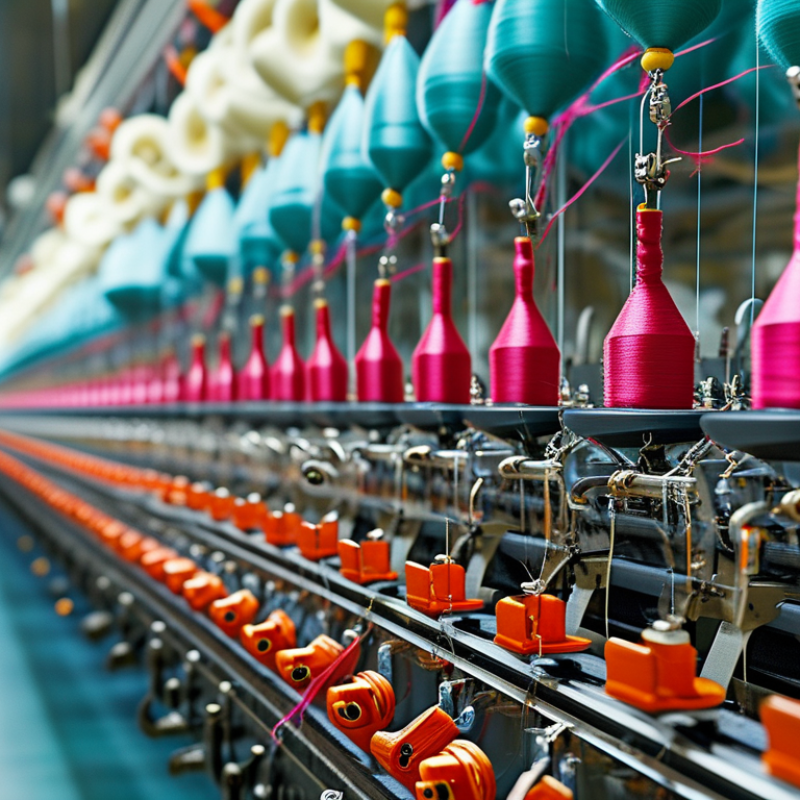
Bobbin winders are essential in textile manufacturing. They efficiently wind thread onto bobbins, ensuring smooth operation in sewing and embroidery processes. New advancements in technology have improved their precision and speed. According to a recent industry report by Smith & Co., streamlined winding processes can enhance productivity by up to 30%. This shift has vast implications for businesses aiming to optimize efficiency.
When selecting a bobbin winder, consider its adaptability. Some models can accommodate various bobbin sizes, making them versatile for diverse sewing projects. This adaptability can save time and reduce material waste. Efficiency is key, so ensuring that your equipment can handle different tasks without requiring constant adjustments can be beneficial.
Tip: Regular maintenance is crucial for ensuring longevity. A worn-out bobbin winder can lead to inconsistent tension and thread breakage. Examine moving parts for wear and lubricate as necessary. Engage your team to monitor performance trends. Regular checks can avoid costly downtime and improve overall machine effectiveness.
Assessing Business Needs: Key Factors to Consider for Bobbin Winders
When selecting bobbin winders for your business, understanding your specific needs is vital. Consider factors such as the volume of production and types of materials. Different materials may require varying tension and winding speeds. Analyzing past production data can provide clarity on your volume needs. Look for machines that can efficiently handle your expected workload.
Another important factor is the durability and maintenance requirements of the bobbin winders. Investing in a reliable machine can save costs in the long run. However, not all machines are created equal. Some may require frequent repairs or adjustments, which can disrupt operations. A thorough evaluation of maintenance schedules should guide your decision. The balance between initial cost and long-term reliability is crucial.
Think also about the scalability of the equipment. Your business needs may evolve, requiring more advanced or varied capabilities. Choosing a bobbin winder that adapts to changing needs can prevent future setbacks. Review customer feedback on machine performance to gauge reliability. This can help illuminate potential pitfalls in your selection process. The right choice will ultimately enhance your production efficiency.
Comparative Analysis of Bobbin Winder Features
This chart compares the key features of different bobbin winders, focusing on speed, maximum bobbin size, weight, price, and warranty length. The data illustrates how these features vary among models, aiding in decision-making for business needs.
Top Features to Look for in a Quality Bobbin Winder
When selecting a bobbin winder for your business, consider its functionality and reliability. A top-notch bobbin winder ensures consistent winding and prevents thread tangles. Look for durable materials that withstand constant use. A lightweight design can enhance mobility, making it easier to transport between work stations. Efficient motors are essential for speed and performance, allowing you to streamline operations.
Adjustability is another vital feature. A bobbin winder should accommodate various bobbin sizes. This versatility is important for businesses that work with different materials. User-friendly controls make the winding process smoother. Consider models that offer automatic tension adjustments to ensure precision. However, be cautious if the machine has too many automated features. Complexity can lead to increased maintenance and potential malfunctions.
Ease of maintenance plays a significant role in usability. Regular cleaning and servicing are necessary to keep the machinery in tip-top shape. Examine the design for accessible parts, allowing for quick replacements when needed. Think about the noise level, too. A noiseless machine can create a more pleasant workspace, promoting productivity. Ultimately, understanding these features can lead to a smarter investment that meets your unique business needs.
Why Choose the Best Bobbin Winders for Your Business Needs? - Top Features to Look for in a Quality Bobbin Winder
| Feature |
Importance |
Recommended Specifications |
| Speed Control |
Allows for customization based on thread type. |
Variable speed settings (up to 900 RPM). |
| Automatic Tension Adjustment |
Ensures even winding and reduces thread breaks. |
Integrated tension sensor. |
| Durability |
Long-lasting machines reduce replacement costs. |
Metal body construction. |
| Ease of Use |
Increases operational efficiency. |
Intuitive control panel and setup. |
| Compatibility with Different Bobbin Sizes |
Versatility for different sewing projects. |
Supports standard and wide bobbins. |
| Noise Level |
Minimizes distractions in the workplace. |
Quieter operation (below 60 dB). |
Benefits of Investing in High-Quality Bobbin Winders for Your Operations
Investing in high-quality bobbin winders can significantly enhance your business operations. These machines are essential for streamlining your production processes. High-quality bobbin winders ensure consistent tension, which is critical for various textile applications. When you use reliable equipment, you reduce the risk of fabric damage and threading issues. This can save you time and reduce waste.
Moreover, quality machines tend to have better durability. They withstand heavy usage without frequent breakdowns. A robust bobbin winder can handle different materials efficiently. This flexibility allows for a wider variety of products. However, it's worth noting that cheaper machines might offer initial savings, but they can lead to higher long-term costs. Frequent repairs and replacements can eat into your profits.
Consider the operational efficiency gained from superior bobbin winders. Employees can focus on production rather than constant troubleshooting. This ultimately fosters a more productive work atmosphere. Reflecting on the long-term benefits of investing in quality will guide sound business decisions. Decisions made with foresight can enhance your operational capabilities.
Comparing Different Types of Bobbin Winders for Optimal Performance
Bobbin winders are crucial for efficient textile production. Businesses must choose between various types to maximize performance. Each type offers distinct advantages and challenges. For instance, automatic bobbin winders tend to improve efficiency by 30%, reducing labor costs significantly. Conversely, manual options can lead to inconsistencies, especially in high-volume settings.
When comparing different types, consider winding speed and accuracy. High-speed winders can operate up to 1000 RPM, ensuring quick turnaround times. However, they may not handle delicate threads well. Additionally, some models feature tension adjustment systems, crucial for maintaining thread quality. A recent industry report highlights that improper tension can lead to a 20% increase in material waste.
Choosing the right bobbin winder is not a one-size-fits-all scenario. Businesses must evaluate their specific needs and production goals. Underestimating the importance of this equipment can lead to inefficiencies and added costs. Each type of bobbin winder presents unique strengths and weaknesses, requiring careful consideration and reflection. Selecting the best option demands a deep understanding of operational requirements and potential pitfalls.