How to Choose the Best Custom Inductor Manufacturer for Your Needs?
Choosing the right custom inductor manufacturer can significantly impact your project. Expertise in this field is crucial. Dr. Sarah Lang, a reputed electrical engineer, emphasizes, "Quality inductors are fundamental to circuit performance." Her insight highlights the importance of carefully selecting a manufacturer.
When evaluating potential partners, consider their experience in custom inductor solutions. It's essential to assess their track record in delivering high-quality products tailored to various needs. Nevertheless, not all manufacturers maintain the same standards. Some may promise more than they can deliver, which can be problematic for your projects.
Reliability and authority should also guide your choice. Research their certifications and industry accolades. Seek testimonials from previous clients to understand their reliability. An informed decision ensures that your custom inductor manufacturer aligns with your project's demands and quality expectations.
Understanding the Role of Custom Inductors in Electronic Applications
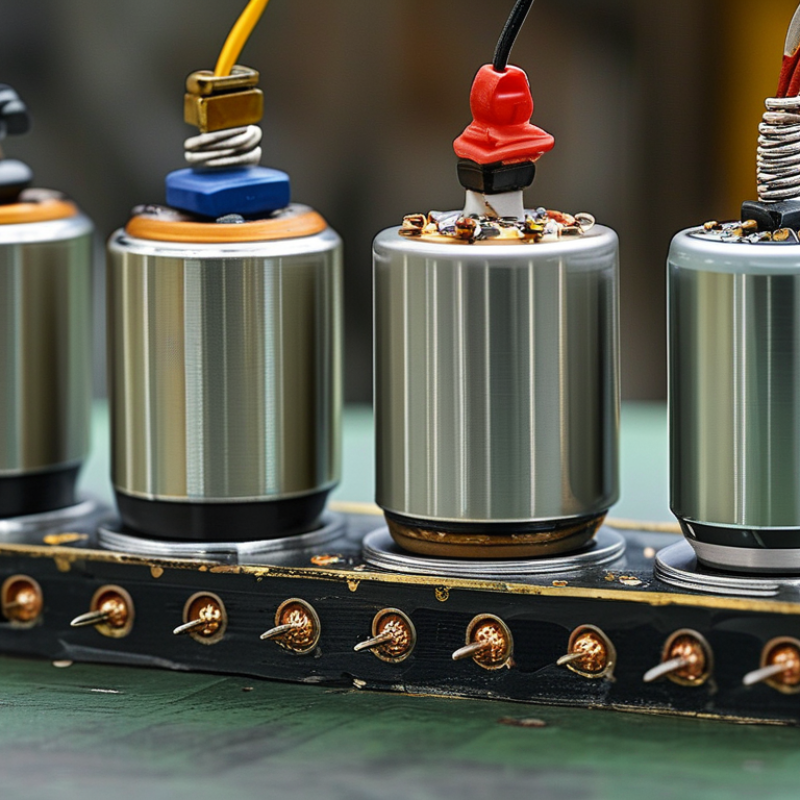
Custom inductors play a crucial role in various electronic applications, such as power supplies, filtering, and energy storage. These components help manage current and voltage, ensuring devices operate efficiently. Understanding how custom inductors function will guide you in selecting the right manufacturer for your specific needs.
When seeking a custom inductor, consider the required specifications. This includes inductance value, current rating, and size constraints. Each electronic application may have unique demands that necessitate precise inductor designs. Talk to manufacturers about your project’s specifications, and seek their advice on the best materials and construction methods.
Tip: Look for manufacturers that prioritize quality testing. Reliable inductors undergo rigorous tests to ensure they meet performance standards. Ask about their testing protocols and certifications.
Another tip: Evaluate the manufacturer's experience in your industry. A manufacturer with a solid track record may understand your needs better. They can provide insights that a newer company might lack.
Custom inductors are complex components, and their performance can significantly impact circuit efficiency. Reflecting on your specific application needs will lead you to the best manufacturer.
Custom Inductor Applications and Manufacturing Preferences
Identifying Key Specifications for Custom Inductor Selection
Choosing the right custom inductor is essential for optimal performance in electronic devices. Start by identifying your application requirements. What voltage and current levels do you need? These specifications directly affect the inductor's design. The frequency of operation also plays a crucial role. Higher frequencies might require different materials and geometries.
Next, consider thermal management. Inductors can generate heat, impacting lifespan and reliability. Look for specifications on heat dissipation capabilities. This ensures that your inductor operates efficiently within its thermal limits. Additionally, pay attention to dimensions. Size matters when fitting components in compact designs.
Lastly, evaluate the manufacturer’s experience and expertise. An established manufacturer will have a track record. They can provide insights into material choices or construction techniques. Don't hesitate to ask for examples of their past work. This can reveal how well they understand industry standards and client needs. Recognizing these specifications will guide you in selecting a reliable custom inductor manufacturer.
How to Choose the Best Custom Inductor Manufacturer for Your Needs?
| Specification | Importance | Typical Range | Notes |
| Inductance Value | Critical for performance | 0.1 µH to 100 mH | Choose based on application needs |
| DC Resistance | Affects efficiency | <1 Ω to 10 Ω | Lower is generally better |
| Current Rating | Determines load capacity | 100 mA to 30 A | Must meet application demands |
| Frequency Response | Influences performance | Up to several MHz | Consider frequency of operation |
| Temperature Coefficient | Stability under varying temps | ±10% to ±20% | Choose based on environment |
| Size & Dimensions | Impact on component layout | Various sizes | Ensure fit within design constraints |
Evaluating Manufacturer Experience and Industry Reputation
When evaluating a custom inductor manufacturer, consider their experience and industry reputation carefully. A manufacturer’s tenure often reflects their ability to innovate and adapt. According to a report by Research and Markets, the inductor market is projected to grow significantly, driven by advancements in electronics. Opting for an established manufacturer can offer a sense of security. Their experience may indicate a track record of meeting diverse customer requirements over time.
Reputation is equally critical. Check industry reviews and client testimonials. Surveys show that 70% of companies prioritize reputation over price when selecting suppliers. Engaging with manufacturers that maintain good standing in the industry can lead to better support and reliability. Ask potential manufacturers for references. A solid company will provide this without hesitation.
Tips: Always verify the certifications the manufacturer holds. This evidence of compliance indicates a commitment to quality. Regular audits and inspections enhance reliability. Look for manufacturers that invest in continuous training for their engineers. This shows a commitment to maintaining industry standards. A commitment to quality often reflects a company's long-term vision and approach.
Assessing Production Capabilities and Quality Control Measures
When choosing a custom inductor manufacturer, assessing their production capabilities is crucial. Start by examining their manufacturing processes. A reliable manufacturer should possess a range of advanced machinery. This can include automated winding machines and precision testing equipment. Flexibility in production is also important. Can they handle small runs and large orders?
Quality control measures are equally essential. Look for certifications that reflect their commitment to high standards. Check if they utilize regular testing and inspection procedures throughout the production process. Transparency in their quality assurance practices is a sign of reliability. Manufacturers who openly share their testing results build trust.
It's wise to inquire about their experience in your specific industry. Different applications may require unique specifications. A manufacturer familiar with your needs can provide tailored solutions. However, be cautious. Not all manufacturers have the same level of expertise. Check for reviews and testimonials from previous clients to gauge their reputation. This helps you avoid potential pitfalls.
Comparing Pricing, Lead Times, and Customer Support Services
Choosing the right custom inductor manufacturer is crucial for any project. When examining options, pricing is often a primary concern. It’s important to compare quotes from multiple manufacturers. However, the lowest price may not always indicate the best value. Sometimes, it reflects a compromise in quality. Understanding the cost breakdown helps ensure you're not trading off quality for savings.
Lead times can significantly impact project timelines. Ideally, manufacturers should provide clear estimates. But keep in mind, unexpected delays can still occur. A reliable manufacturer should communicate any changes promptly. Clear communication builds trust and helps manage expectations effectively.
Customer support services are vital in this process. A manufacturer that offers responsive support can make a difference. Quick answers to questions or concerns can save time and frustration. Look for companies that prioritize customer relationships. These manufacturers often develop a more profound understanding of your needs, resulting in better products and services. Balancing these factors is essential for achieving a successful partnership.
