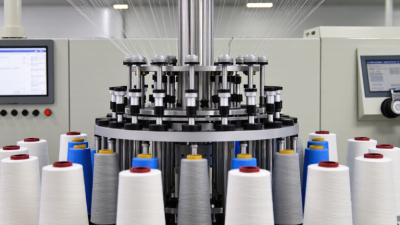
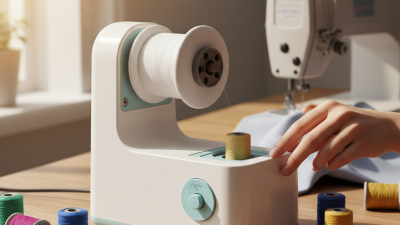
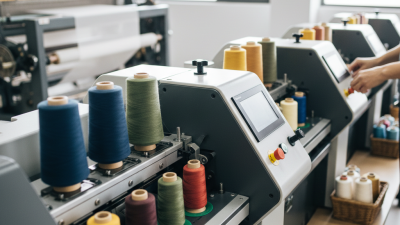
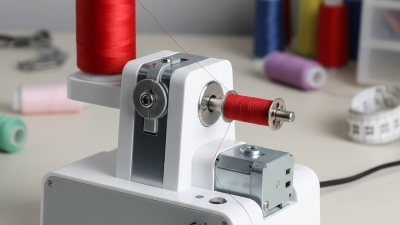
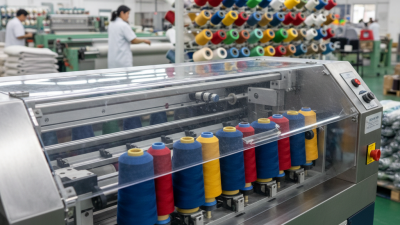
Choosing the right weaving bobbin winder can shape yarn consistency, loom uptime, and the quality of every woven roll. A well-matched machine forms firm, even packages without crushing delicate yarn or leaving loose layers near the bobbin ends. The difference shows on the loom. Uneven tension can cause stops, waste, and frustrating rework.
“[Insert a verified statement from a named weaving-equipment expert about winding quality or machine selection.]” A direct, sourced quotation matters; an invented endorsement does not. When assessing a weaving bobbin winder, compare the yarn types and bobbin sizes you actually use. Check winding speed, tension control, package shape, changeover time, and how easily operators can clean and maintain the machine. Ask for a trial with your own yarn. A demonstration using a different fiber may hide practical problems.
Look closely. Listen to the drive. Feel the finished package for soft spots and uneven edges. Then consider the less visible details: spare-part availability, operator training, and service response. A high-speed model may sound impressive, but it is not automatically the best fit for a small workshop or varied production runs. Some compromises remain. Your ideal machine depends on your materials, workload, and tolerance for downtime. This guide explains how to weigh those factors and choose with evidence rather than sales claims.
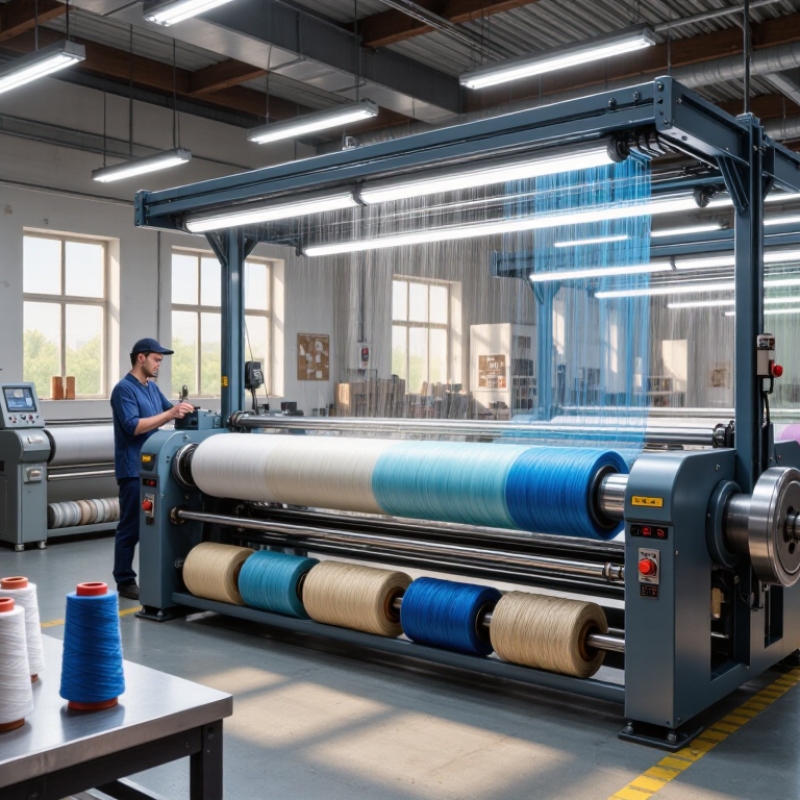
A weaving bobbin winder transfers yarn from a supply package onto a bobbin or pirn used by a loom. The winding pattern and tension matter: uneven layers can snag, while excessive tension may stretch or damage delicate yarn. One detail is easy to overlook. Bobbin shape and loom setup affect which winder will work well.
Manual winders use a hand crank, giving the operator direct control over speed and yarn placement. They suit small batches, sampling, or settings where power is unavailable, but winding takes time and consistency depends on the user.
Motorized winders reduce effort and often offer adjustable speed and basic tension control. They are practical for regular production, though operators still need to check the yarn path and package build.
Automatic or precision winders can regulate traverse and tension more consistently, and some stop when a preset length or package size is reached. They can help with larger workloads, but added features do not guarantee a good result with every yarn.
Match the machine to the bobbin dimensions, yarn type, and expected output. Then test a sample package: look for firm, even layers without loose loops or crushed edges. A small test can reveal problems that specifications miss.
Start with your loom. Check whether it uses pirns, quills, or another bobbin shape, then measure the core diameter, length, and usable capacity. A bobbin that looks close may wobble or leave yarn too near the rim. Small details matter. Confirm that the winder’s holder and drive suit the bobbin, and check the machine’s stated limits.
Match the winder to the yarn you actually use. Fine cotton, stretchy wool, and uneven handspun yarn behave differently under tension. Look for adjustable speed and tension, especially if you switch yarn types. Wind a small test bobbin and inspect the layers: they should sit evenly, without loose loops or a hard lump at one end. A little unevenness may still occur; watch how the yarn feeds on your loom before changing settings.
Think about your usual production, not an ideal busy day. Occasional weaving may call for a simple setup, while repeated batches make stable winding and easy bobbin changes more important. I would not choose by top speed alone; a fast motor can be frustrating if it creates snarls or uneven winding. Compare the expected run time with your workload, and leave room for pauses to check tension and alignment.
A weaving bobbin winder should match the yarn and the rhythm of your loom. Capacity matters because a larger bobbin can reduce interruptions during long runs, but it may not fit every shuttle. Check the bobbin’s length, core diameter, and winding width against your equipment. A full bobbin is useful only if it feeds smoothly.
Speed is not the whole story. Fast winding saves time, yet delicate or uneven yarn may need a slower setting to avoid snags and loose layers. Look for adjustable speed rather than relying on a single maximum figure. Try a short winding test and inspect the yarn near both ends.
Small details count. A tightly packed center and soft edges can cause trouble later.
Tension control helps create a firm, even package without stretching the yarn excessively. Some winders offer a tension dial; others rely on guides or manual adjustment. Controls should be easy to reach and clear enough to use while watching the bobbin.
A reverse function or foot control may help with careful starts, though extra features can also complicate setup. Not always better. If possible, test the winder with your usual yarn, since a setting that works for smooth cotton may behave poorly with fuzzy wool.
The ideal choice may take a little trial and adjustment.
Compatibility is more than matching a bobbin’s name or shape. Check its core diameter, length, flange width, and spindle fit against the winder’s specifications. Then confirm that the machine handles your yarn type, desired winding direction, and package size. A mismatch can cause slipping, uneven layers, or yarn breaks. Measure a bobbin you already use; catalog dimensions can be easy to misread.
Ease of use shows up in small tasks. Can you adjust tension without tools? Is the speed control steady at low settings? Try threading the yarn and changing a full bobbin before buying, if possible. Small details matter. A clear guard and accessible stop switch also make routine work less awkward. I would not judge a winder by speed alone; fast winding is little help if tension varies across the package.
Maintenance needs deserve equal attention. Look for accessible lint-cleaning points, replaceable belts, and a manual with clear lubrication intervals.
McKinsey’s 2015 report, The Internet of Things: Mapping the Value Beyond the Hype, estimates predictive maintenance can cut industrial maintenance costs by 10–40% and unplanned downtime by up to 50%. Those figures are broad industrial estimates, not guarantees for a bobbin winder. Still, they underline the value of easy inspection and timely care.
Ask how often tension parts need checking, and whether common wear components are available. It can be fiddly. A simple maintenance log may reveal recurring issues before they spoil a batch.
How to Choose the Best Weaving Bobbin Winder?
Evaluating Build Quality, Safety, and Overall Value
A good bobbin winder should feel steady before it feels fast. Check the frame for flex, inspect the spindle for wobble, and run the machine long enough to notice unusual heat or vibration. Metal housings and replaceable wear parts can support longer service, but weight alone does not prove quality. Look for clear guarding around moving parts, an accessible stop control, and wiring protected from lint. Small details matter.
Safety deserves a practical check. The U.S. Bureau of Labor Statistics reported 2.8 recordable injury and illness cases per 100 full-time workers in manufacturing in 2023; this broad rate is not specific to bobbin winders, but it reinforces the need to assess workplace hazards. ISO 12100:2010 also provides a framework for identifying machinery risks. Ask whether cleaning and adjustment can be done without reaching near a moving spindle. A tidy manual helps. A vague one does not.
Tips: Test with your own yarn and bobbins. Watch for uneven winding, slipping, and excess noise. Compare the purchase price with repair access, spare-part availability, and expected maintenance. No machine is perfect; even a sturdy model may need occasional alignment. That’s worth checking before buying.
| Evaluation dimension | Weight | What to inspect or verify | Strong result (5 points) | Warning signs |
|---|---|---|---|---|
| Frame and component quality | 20% | Check frame rigidity, joints, spindle alignment, and the finish of moving parts. | The unit feels stable; parts are aligned, securely fitted, and free of sharp edges or obvious defects. | Excessive play, loose fasteners, visible misalignment, or rough edges. |
| Winding consistency | 20% | Run a test with the yarn types and bobbins you expect to use; inspect tension and winding shape. | Yarn feeds smoothly and winds evenly, without frequent slippage, snarls, or uneven buildup. | Repeated tangles, inconsistent tension, or bobbins that wobble during operation. |
| Speed and control | 10% | Check whether speed is adjustable and whether the controls are easy to reach and operate. | Speed can be adjusted to suit the yarn and task, with controls that respond predictably. | Only one unsuitable speed, unclear controls, or abrupt starts and stops. |
| Safety features | 15% | Look for appropriate protection around moving parts, a stable operating position, and clear operating instructions. | Potential pinch points are guarded or clearly identified; the machine is stable and instructions explain safe use. | Exposed moving parts without clear warnings, unstable mounting, or missing safety guidance. |
| Bobbin and yarn compatibility | 10% | Compare the stated bobbin dimensions and yarn-feed arrangement with your existing equipment and materials. | The manufacturer documents compatibility clearly, and the intended bobbins fit securely in a test run. | Compatibility is unclear, required adapters are unspecified, or bobbins do not seat securely. |
| Maintenance and parts | 10% | Review cleaning instructions, access to routine service points, and availability of replacement parts. | Routine care is explained, service points are accessible, and replacement-part support is documented. | No maintenance guidance or no clear route to obtain common replacement parts. |
| Warranty and support | 5% | Read the written warranty for its duration, coverage, exclusions, and service contact details. | Coverage and claim steps are clearly documented, with accessible technical support. | Vague coverage, unclear exclusions, or no identifiable support process. |
| Total cost of ownership | 10% | Compare purchase price with required accessories, delivery, maintenance, and likely replacement parts. | The complete cost is transparent, and useful features match your expected workload. | Important accessories or recurring costs are omitted from the quoted price. |
| Total weighting | 100% | Score each dimension from 1 (poor) to 5 (excellent). Weighted score = rating ÷ 5 × dimension weight; add the weighted scores for a result out of 100. | ||
Use the same yarn, bobbin, and test conditions when comparing machines. Verify specifications and warranty terms in the product documentation before purchase.