How to Choose the Right Yarn Twister for Global Sourcing?
Choosing the right yarn twister has become a sourcing decision, not merely a machinery purchase. Fiber type, yarn count, twist level, production volume, energy use, and technical support must work together. A fast machine can still create weak yarn, uneven packages, or costly waste.
The ITMF International Textile Machinery Shipment Statistics 2024 reported 1.19 million new short-staple spindles shipped in 2023. Shipments declined by 8 percent, reflecting cautious investment and uncertain demand. Textile Exchange’s Materials Market Report 2024 estimated global fiber production at 124 million tonnes in 2023. It may reach 160 million tonnes by 2030. These figures suggest rising capacity pressure, but they do not identify the best yarn twister for every factory.
That gap matters.
Dr. Thomas Gries, a textile machinery expert at RWTH Aachen, states, “A machine must fit the process, not merely advertise maximum speed.” His point is practical. A buyer should test actual cotton, polyester, recycled fiber, or blended yarn before signing a purchase contract. Check twist accuracy beside the operator’s control panel. Measure noise, vibration, package density, power consumption, and cleaning time.
Supplier audits should include installation records, spare-parts availability, training, warranty terms, and local service response. Certifications help, but paperwork cannot replace a production trial. I have seen technical comparisons become misleading when they ignore humidity, operator skill, and yarn preparation.
A careful global sourcing plan therefore compares total operating cost, not only the quoted machine price. The wrong yarn twister may look efficient on paper. Its hidden cost appears later.
Define Yarn Twister Types and Their Core Functions
How to Choose the Right Yarn Twister for Global Sourcing?
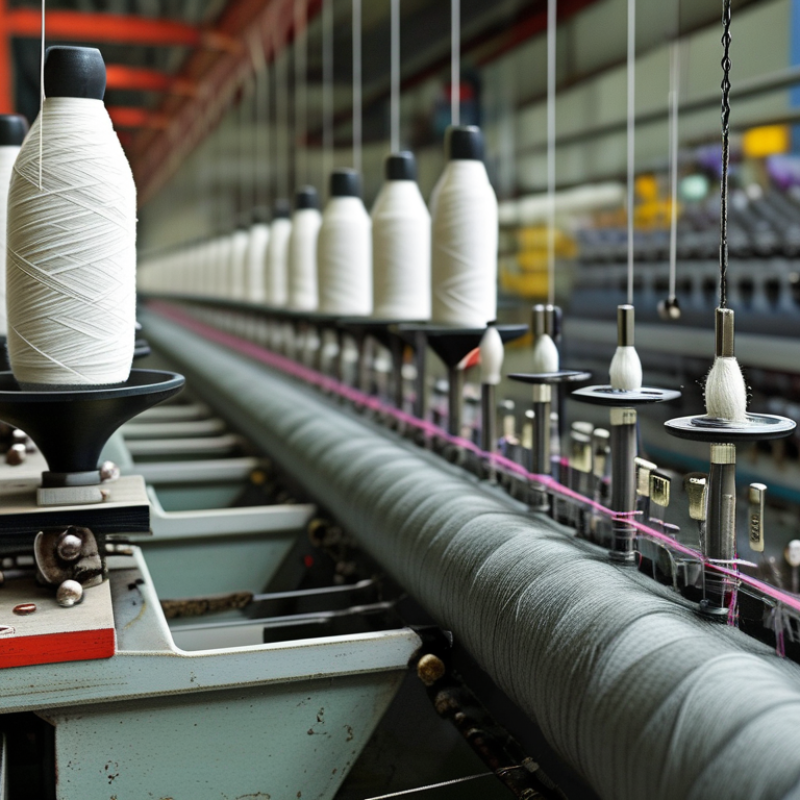
Choosing a yarn twister starts with understanding its type and core function. A two-for-one twister adds two twists during one spindle rotation. It suits high-volume production and can reduce energy use per kilogram. A ring twister applies controlled tension and produces stable, uniform yarn. It works well with delicate fibers and lower production speeds. A cabling twister combines several twisted yarns into stronger structures. It is useful for sewing thread, technical yarn, and thick textile products.
Tips: Match the machine with fiber type, yarn count, twist level, and daily output. Check spindle speed, tension control, power requirements, and maintenance access. Ask for sample trials using your actual yarn. Small differences can affect strength, softness, and appearance. Do not trust capacity figures alone.
For global sourcing, consider voltage standards, operator training, spare-part access, and inspection procedures. A machine with simple controls may perform better in locations with limited technical support. Request test reports, installation guidance, and clear warranty terms. Confirm whether the machine handles your expected humidity and temperature conditions. In practice, a polished specification sheet can still hide production weaknesses. I would compare trial results, not just promised speed. The cheapest option may create more waste, uneven twist, or delayed shipments. Reliable sourcing depends on measurable yarn quality and realistic after-sales support.
Match Twisting Methods to Yarn Materials and Production Goals
Choosing a yarn twister starts with the material, not the machine catalogue. Staple cotton, wool, and blended fibers need controlled tension and stable ply formation. Ring twisting can create a firm, traditional yarn structure for knitting or weaving. Filament polyester and nylon often suit spindle or two-for-one twisting, especially when production speed matters. However, higher speed can increase heat, ballooning, and tension variation. Elastane blends require gentler handling and accurate tension control.
Textile Exchange’s Materials Market Report 2024 estimates global fiber production reached 124 million tonnes in 2023. It may exceed 160 million tonnes by 2030. This growth increases demand for flexible twisting systems, including recycled and blended materials. Recycled fibers can show shorter staple length or uneven friction. Test them before committing to large-volume sourcing. A machine that performs well with virgin fiber may behave differently with recycled content. I would not assume a universal setting exists.
Tips: Request trial runs using your actual yarn lot. Measure twist per meter, tensile strength, hairiness, and breakage rate. Check energy use and operator access, not only headline speed. For global sourcing, confirm voltage compatibility, spare-part access, training, and service response times. The International Textile Machinery Federation’s industry surveys repeatedly highlight cost pressure and supply-chain uncertainty. A cheaper twister may become expensive when downtime crosses borders. Small sampling is slower, but it often exposes the uncomfortable truth.
How to Choose the Right Yarn Twister for Global Sourcing?
Match twisting methods to yarn materials and production goals
Relative suitability scores are based on common textile-engineering considerations: process flexibility, productivity, yarn control, and typical compatibility with each fiber category. Ring twisting is versatile for natural and blended yarns, hollow-spindle twisting supports controlled plied structures, two-for-one twisting is efficient for continuous industrial yarns, and air-jet twisting is most suitable when high productivity and lower mechanical contact are priorities.
Evaluate Machine Capacity, Precision, and Operational Efficiency
Choosing the Right Yarn Twister for Global Sourcing
When sourcing a yarn twister, compare usable capacity rather than advertised speed. Ask for output data based on your actual yarn count, fiber blend, and twist level. A machine rated for 1,000 kilograms daily may produce less after setup, cleaning, and bobbin changes. Measure the real output.
Precision affects fabric appearance and downstream processing. Check twist tolerance, spindle balance, tension control, and sensor response. Request test samples from several production runs, not one carefully prepared batch. Inspect uneven twist, loose ends, and package density under normal conditions. Small details matter. A 3% variation can become visible in knitting or weaving.
Operational efficiency also includes labor, maintenance, energy use, and spare-part access. Examine how quickly operators can change packages and adjust settings. Clear controls reduce training errors, especially across different sourcing locations. Review cleaning points, lubrication intervals, and fault records with the supplier’s technical team. In my experience, simple maintenance access often saves more time than a higher top speed. Do not guess.
A practical evaluation should compare cost per finished kilogram, not purchase price alone. Calculate waste, electricity, downtime, labor hours, and expected service intervals. Ask for documented performance under comparable conditions. Some specifications remain unclear until installation. That is worth acknowledging. A short factory trial may reveal vibration, noise, or unstable tension that brochures never mention. Record these findings before selecting equipment for long-term global production.
Compare Supplier Quality, Compliance, and Global Logistics
A yarn twister should be judged by verified performance, not attractive specifications. When sourcing globally, supplier quality matters beyond machine speed. Request recent inspection records, torque test results, and sample cones from comparable yarn counts. Check whether the machine maintains stable twist at different running speeds. A live video test helps. Ask technicians to show setup, tension control, noise levels, and emergency stops. I would not rely on polished photographs alone. One overlooked detail can create weeks of rework.
Compliance should be documented before purchase orders are signed. Request declarations for applicable machinery and electrical safety requirements in the destination market. Review material information, labeling, user manuals, and factory quality procedures. Confirm serial-number traceability and calibration records for measuring tools. Requirements differ by destination. If a supplier avoids clear documents, treat that gap seriously. Still, paperwork can be incomplete. An independent inspection can verify the actual machine configuration before shipment.
Global logistics can change the true equipment cost. Compare lead times, packaging methods, container loading plans, and spare-part availability. Ask who handles customs data, insurance, and damage claims. A moisture barrier and shock indicators may protect sensitive controls during long ocean transit. Confirm voltage, frequency, plug configuration, manuals, and remote commissioning support. I once underestimated installation time. The machine arrived safely, but production waited for a missing adapter. Build milestones for factory acceptance, dispatch, arrival, and operator training into the contract. Leave room for delays.
Select the Best Yarn Twister Through Testing and Cost Analysis
Choosing the right yarn twister for global sourcing requires more than comparing catalog prices. Test the machine with your actual yarn, twist level, and production speed. A short factory trial can reveal uneven tension, frequent yarn breaks, or difficult threading. Small details matter.
Record measurable results during testing. Check twist accuracy, package density, output per hour, energy use, and operator handling. Inspect samples under consistent lighting, then test their strength and appearance after winding. If possible, repeat the trial with different yarn lots. One successful run proves very little.
Cost analysis should include the complete landed cost, not only the purchase price.
Add freight, installation, training, spare parts, maintenance, energy, and expected downtime. A low-priced twister may become expensive when replacement components take weeks to arrive. The numbers can mislead.
Ask suppliers for test records, service response times, and clear warranty terms. Confirm electrical requirements and safety features before shipment. In one practical comparison, a faster machine looked attractive, but its higher waste rate reduced the real benefit. That result was easy to overlook. A slower model may perform better when quality consistency matters. Leave room for uncertainty, because yarn behavior can change with humidity, fiber blend, and operator skill. Test before ordering.