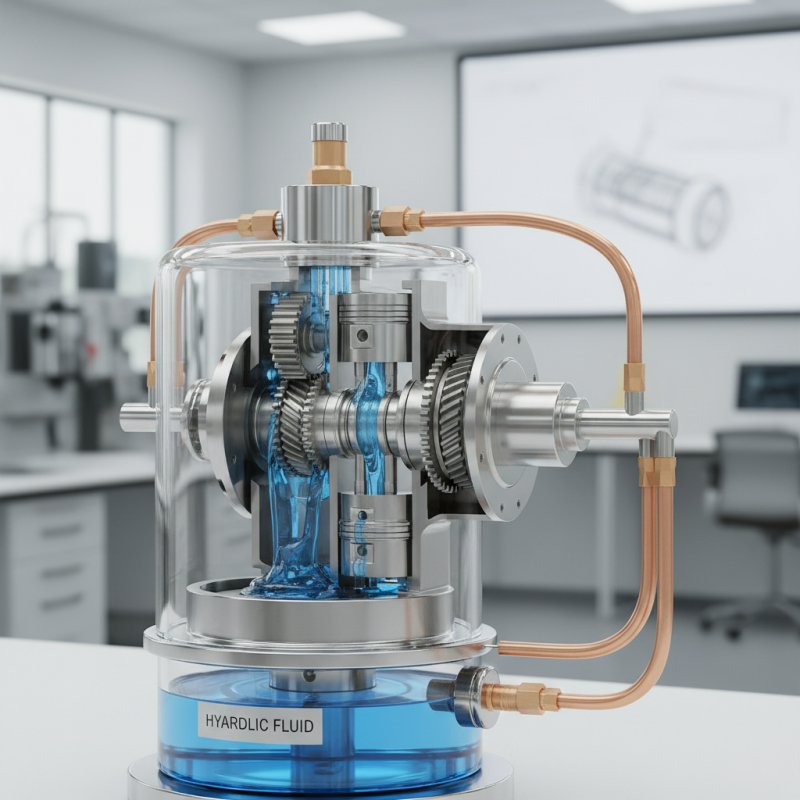
What is a Hydraulic Pump and How Does It Work?
Hydraulic Pumps are critical components in various industrial applications. They convert mechanical energy into hydraulic energy, enabling machines to perform tasks efficiently. According to John Smith, an expert in hydraulic systems, "Hydraulic pumps are the heart of any hydraulic system." This statement highlights their essential role.
Understanding hydraulic pumps requires insight into their operation. These pumps utilize fluid dynamics principles. They draw fluid from a reservoir and create pressure, which moves machinery. Their design can vary; gear pumps, piston pumps, and vane pumps each serve specific needs.
Many users overlook maintenance, leading to inefficiencies. Regular checks ensure optimal performance. However, there are challenges too. Selecting the right type of hydraulic pump can be complicated. Incorrect choices lead to wasted resources. This underscores the importance of expertise in the field.
What is a Hydraulic Pump?
A hydraulic pump is a key component in many machinery and vehicles. It converts mechanical energy into hydraulic energy. This process involves moving fluid, often oil, through a system under pressure. The pressurized fluid can then perform work, such as lifting heavy loads or powering machinery.
Hydraulic pumps come in various types, including gear, vane, and piston. Each type operates differently but aims to achieve the same goal: efficient fluid movement. For example, gear pumps are simple and reliable, often used in low to moderate pressure applications. However, their efficiency may decrease at high speeds. Piston pumps are known for high efficiency but can be more complex and costly to maintain.
Understanding how hydraulic pumps work helps identify their applications and limitations. Many users overlook this aspect, leading to improper system designs. Each pump has its ideal operating conditions. Failing to recognize these can lead to system failures or inefficiencies. Knowing the specifications and capabilities of a hydraulic pump is vital for achieving optimal performance in any hydraulic system.
What is a Hydraulic Pump and How Does It Work?
| Feature | Description | Application |
| Working Principle | Hydraulic pumps convert mechanical energy into hydraulic energy by pressurizing fluid. | Used in various machinery such as excavators and forklifts for lifting and moving loads. |
| Types | Common types include gear pumps, piston pumps, and vane pumps. | Selection depends on the required pressure, flow rate, and application. |
| Efficiency | Hydraulic pumps can achieve high efficiency, but losses due to internal leakage can occur. | Regular maintenance and proper selection can enhance efficiency. |
| Maintenance | Regular checks of fluid levels, replacing filters, and inspecting for leaks are essential. | Maintenance is critical for operational reliability and longevity. |
| Advantages | Hydraulic pumps offer high power-to-weight ratio, versatility, and precise control. | Ideal for heavy-duty tasks and machinery. |
| Limitations | Hydraulic systems can be affected by temperature changes and may require significant maintenance. | Understanding these limitations is important for system design and operation. |
The Basic Principles of Hydraulic Pump Operation
Hydraulic pumps are vital components in various machinery. They translate mechanical energy into hydraulic energy, enabling systems to perform tasks like lifting, pressing, or moving. Understanding their basic operation principles helps in many applications.
A hydraulic pump typically relies on a simple principle: the conversion of mechanical force into fluid power. As the pump's motor rotates, it generates a vacuum. This vacuum draws hydraulic fluid into the pump. The fluid is then pressurized, creating force that can actuate machinery. This process emphasizes efficiency but can sometimes lead to issues like cavitation, which may harm the pump.
Moreover, different designs exist. Gear pumps are straightforward and reliable, while piston pumps offer high efficiency. However, they can be complicated and costly to maintain. Each type has its pros and cons, often requiring careful consideration. Users must weigh performance against maintenance needs, constantly reflecting on their specific requirements. Understanding these details enhances decision-making in hydraulic systems.
Types of Hydraulic Pumps and Their Applications
Hydraulic pumps play an essential role in various industries. They convert mechanical energy into hydraulic energy. There are several types of hydraulic pumps, each designed for specific applications. Understanding these types is crucial for selecting the right pump for your system.
Gear pumps are among the simplest hydraulic pumps. They are used in applications requiring low viscosity fluids. Their compact design makes them ideal for tight spaces. However, they can have issues with cavitation and wear over time.
Vane pumps, on the other hand, provide a smooth flow. They are versatile and used in mobile equipment. Yet, they may face challenges in high-pressure conditions.
Piston pumps are highly efficient for various applications. They can handle high pressures and are suitable for rigorous tasks. Despite their advantages, they can be complex to maintain. Each type has strengths and weaknesses. Knowing these can improve your system's performance. Always assess your needs for optimal results.
Components of a Hydraulic Pump System
A hydraulic pump system relies on various essential components to function effectively. Each part plays a crucial role in converting mechanical energy into hydraulic energy. The heart of this system is the pump itself. It moves hydraulic fluid, creating pressure that powers machinery. There are different types of pumps, such as gear pumps or piston pumps, each suited for specific applications.
Another critical component is the hydraulic fluid reservoir. This tank stores the fluid, ensuring a consistent supply. The cleanliness of this fluid is vital; contamination can lead to poor performance and system failures. Additionally, filters help remove impurities from the fluid and maintain system health.
Hydraulic lines are equally important. These hoses and tubes transport the pressurized fluid to various machinery parts. They need to withstand high pressures without leaking. Regular inspections are crucial to identify signs of wear or damage. Lastly, control valves allow operators to direct the flow of hydraulic fluid. The design of these valves impacts overall system efficiency. Each component interacts with the others, making maintenance a continuous process that requires attention and care.
Common Issues and Maintenance Tips for Hydraulic Pumps
Hydraulic pumps are vital in various industries, but they can face common issues that require attention. Overheating is a frequent problem. Causes include low fluid levels or a malfunctioning component. Regularly checking fluid levels can help prevent overheating. Moreover, ensure that the pump has proper ventilation to dissipate heat effectively.
Another common issue is leakage. Hydraulic fluid can escape from seals and hoses due to wear and tear. This not only reduces efficiency but can also lead to significant damage. Inspecting seals regularly and replacing them when worn is crucial. Using the correct type of hose can also make a difference.
Maintenance is key to extending hydraulic pump life. Regularly clean filters and check for debris. This simple act can prevent clogging and improve performance. However, some users overlook these tasks. They might think their pumps are fine. This approach can backfire. Ignoring small issues can lead to costly repairs later. Taking a proactive approach in maintenance saves time and money in the long run.