Weavetech

What Is Loom Fabric and What Are Its Types?

Loom fabric begins with a simple meeting of threads: lengthwise warp yarns and crosswise weft yarns interlace on a loom. The pattern may look quiet or bold. It can also change how a cloth drapes, wears, and feels against the skin. A plain weave forms a crisp grid, while twill creates diagonal ribs, like those on denim. Satin weaves bring longer floats and a smoother face, though snags can be a trade-off.

Textile researcher Professor Richard Blackburn’s work on textile materials offers a useful perspective: fiber, structure, and finishing all influence a fabric’s performance. That is an expert-informed summary, not a verbatim quotation. It matters because “cotton” or “linen” alone cannot fully describe a cloth. The loom’s setup and the yarn choices shape the result, too.

There are more possibilities. Dobby looms make small, repeated geometric patterns; jacquard looms can produce complex motifs with individually controlled threads. Handloom and power-loom fabrics may also differ in pace, consistency, and surface character. Yet these labels do not guarantee quality. A dense weave can feel sturdy, but finishing and yarn strength matter just as much. Details count.

This guide explains what loom fabric is, how common weave structures work, and where each type is useful. It also points out a small complication: fabric names are not always used consistently by sellers. Looking closely at the weave can tell you more than the label alone.
What Is Loom Fabric and What Are Its Types?

What Is Loom Fabric?

Loom fabric is cloth made by interlacing two sets of yarns on a loom. Lengthwise yarns, called the warp, are held under tension. Crosswise yarns, called the weft, pass over and under them. Their crossing pattern creates the fabric’s structure.

Simple, but not simplistic. A plain weave alternates yarns closely, while twill forms diagonal ribs, like those visible on many work trousers. Satin uses longer yarn floats for a smoother face, though those floats can snag more easily.

The loom shapes yarns into cloth; it does not determine what they are made from. Cotton, wool, linen, and synthetic fibers can all be woven, with different effects on feel, strength, and care. Textile Exchange’s Materials Market Report 2024 estimated global fiber production at 124 million tonnes in 2023. That figure covers fibers, not loom-woven fabric specifically, so it should not be read as a measure of weaving output. It does show the scale of materials entering textile production.

In a finished cloth, check the weave, fiber content, and yarn density together. A crisp surface alone tells you little. I sometimes find fabric labels less revealing than a close look at the edge: a firm selvedge and visible crossing yarns can make the construction easier to understand.

How Is Loom Fabric Made on a Loom?

Making loom fabric begins with preparing the warp, the lengthwise yarns held under tension. The yarns are wound onto a beam, then guided through heddles and a reed. Heddles lift selected threads to create an opening called a shed. The arrangement determines how the threads can cross.

The crosswise yarn, called the weft, passes through that opening. A shuttle carries it on some looms; other machines use a rapier or a stream of air. The reed pushes each new pick firmly against the cloth already woven. That crossing matters. Warp tension, yarn thickness, and spacing all affect the fabric’s density and feel. On a hand loom, the weaver controls each movement, so rhythm can vary slightly. Industrial looms repeat the same sequence quickly, but still need careful setup. A small adjustment can change the cloth’s appearance. After weaving, the fabric may be washed, pressed, or otherwise finished to stabilize it. Inspection checks for skipped yarns, uneven edges, and loose picks. Still, no setup is perfectly uniform; natural yarn variation can leave subtle differences, and those may be worth examining rather than dismissing as flaws.

What Are the Main Types of Loom Fabric?

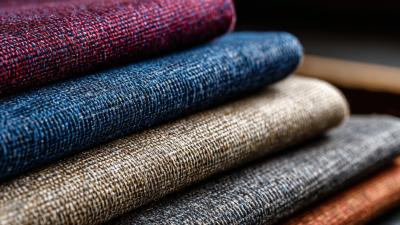
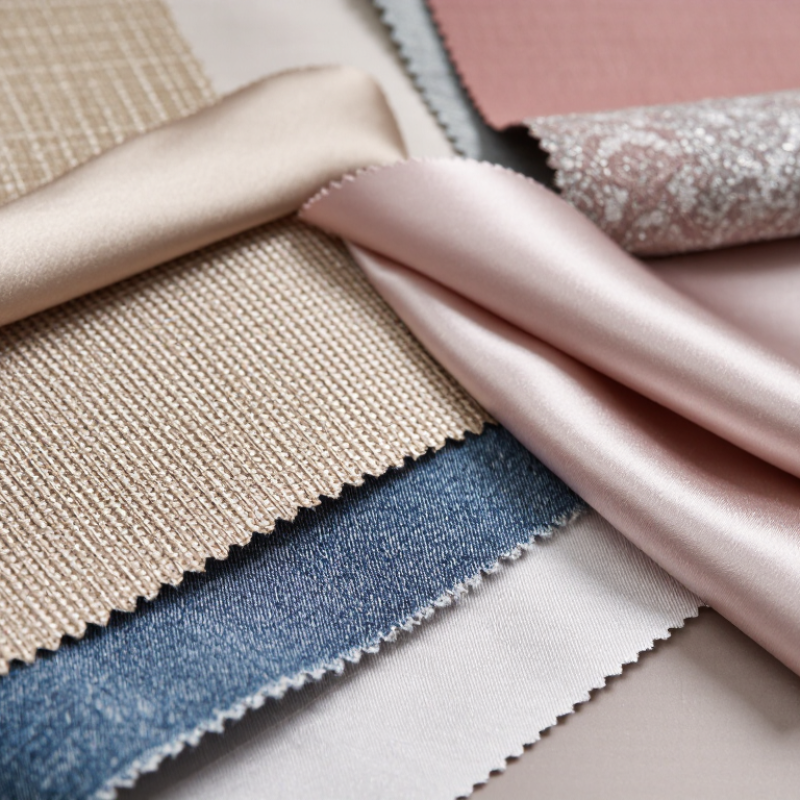
Loom fabric is made by interlacing lengthwise warp yarns with crosswise weft yarns. The weave structure affects its strength, surface, drape, and breathability. Three common types are plain, twill, and satin weave. Their differences are easiest to see under steady light.

Plain weave alternates each weft yarn over and under neighboring warp yarns. It creates a balanced, firm surface, as seen in many shirting fabrics and lightweight canvas.

Twill weave shifts the interlacing point across rows, forming visible diagonal ribs. Denim is a familiar example; the diagonal structure can help it drape more easily than a comparable plain weave.

Satin weave uses longer yarn floats across the surface, producing a smooth feel and soft sheen. Those floats can snag, so satin may need gentler handling.

Small detail, big difference.

Some fabrics also use pile or open leno structures. Pile weaves add raised yarn loops or cut fibers, while leno twists warp yarns around the weft to create a stable, airy mesh. Dobby and jacquard describe ways of making patterned cloth, not basic weave structures in the same sense. Categories can overlap: a patterned fabric may still use a twill base. When choosing fabric, check the actual weave, yarn, and finishing; the name alone does not tell the whole story.

How Do Weave Patterns Affect Fabric Properties?

A loom fabric is formed by crossing lengthwise warp yarns with widthwise weft yarns. Their arrangement creates the weave pattern, which affects how a fabric feels and performs. The pattern matters, but it is not the whole story. Fiber type, yarn thickness, and thread density also influence the result.

Plain weave alternates each yarn over and under the next. It usually makes a stable, firm surface, as seen in many lightweight shirts and cotton canvas. Twill shifts the crossing point between rows, forming diagonal ribs. Those ribs can give denim and workwear fabrics a flexible feel and good resistance to everyday abrasion. Still, a loose twill may wear differently from a tightly woven one.

Satin weave lets some yarns pass over several others, creating a smooth face with a soft sheen. It drapes well, but long floating yarns can snag more easily. Small differences matter. A fabric labeled “satin” is not automatically delicate, just as plain weave is not always stiff. When choosing cloth, rub a sample gently, hold it to the light, and notice how it bends. A swatch can reveal useful details, though it cannot predict every kind of wear.

How Weave Patterns Affect Fabric Structure

Maximum float length is the number of consecutive yarns a thread passes over or under before interlacing. Plain 1/1 weave has a maximum float of 1, a representative 2/2 twill has a float of 2, and a representative five-end satin has a float of 4. Longer floats generally create a smoother surface and can enhance drape, but may be more susceptible to snagging. Actual fabric properties also depend on fiber, yarn, and construction.

What Are the Common Uses of Loom Fabric?

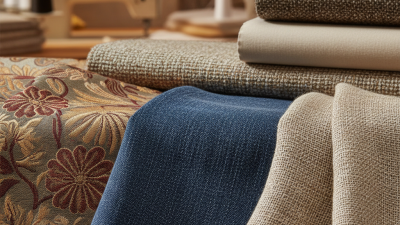
Loom fabric appears in everyday clothing, household textiles, and practical furnishings. Cotton plain-weave fabric works well for shirts, aprons, and reusable shopping bags because it is easy to sew and care for. Twill, with its diagonal ribs, is often chosen for trousers, workwear, and upholstery that needs a little more abrasion resistance. Curtains and table linens may use linen or blended weaves for their visible texture. Feel the fabric before choosing it. A stiff sample may hang differently than expected.

Loom-woven material also serves in bags, cushion covers, lightweight blankets, and some technical applications, such as webbing or filter cloth. The best choice depends on fiber, weave density, finish, and how the item will be used. A tightly woven fabric can resist wear, but it may feel less breathable. A loose weave can feel airy, yet snag more easily. There is no universal “best” type; even a familiar fabric can disappoint when the weight or finish does not suit the project.

Tips: Check the care label and test a small swatch before cutting. For curtains, hold the sample near a window to see how light passes through. For bags or upholstery, rub the fabric gently and inspect its seams. Small checks help, though they cannot predict every wear pattern.