What is Textured Yarn and How is it Used in Knitting and Weaving?
Textured yarn plays a crucial role in modern knitting and weaving. This versatile material brings unique tactile qualities to textiles. Recent industry reports indicate that the textured yarn market is expected to grow at a significant rate. By 2025, the global market might reach $8 billion, reflecting its increasing popularity among consumers and manufacturers alike.
Industry expert Dr. Emily Richards stated, “Textured yarn elevates design possibilities, enhancing both function and style.” This sentiment resonates deeply in the fashion and textile sectors. Textured yarn is not just about aesthetics; its functionality adds moisture-wicking and stretching capabilities to various fabrics. However, the production process can be complex, and achieving consistent quality remains a challenge.
Despite its advantages, some producers struggle with the intricacies of blending fibers to create optimal textures. These challenges prompt reflections on sustainable practices and technological advancements. As the textured yarn industry continues to evolve, both opportunities and pitfalls must be navigated carefully.

What is Textured Yarn?
Textured yarn is a unique type of yarn that adds dimension to fabric. This yarn is often made through techniques that create loops and twists. These variations can create interesting patterns and different weights in the final piece. Knitters and weavers often seek textured yarns to enhance their projects. They provide a tactile experience that smooth yarns just cannot match.
Using textured yarn can be a double-edged sword. The visual appeal is undeniable, but it can also pose challenges. For instance, it might be harder to gauge stitch counts accurately. Additionally, the yarn's varying thickness can produce unpredictable results. Some artisans love this unpredictability, while others may find it frustrating. Carefully considering these factors can make a big difference in the final outcome of any project.
What is Textured Yarn and How is it Used in Knitting and Weaving?
| Yarn Type |
Texture |
Common Uses |
Suitable Projects |
| Boucle Yarn |
Lumpy and looped texture |
Scarves, shawls |
Lightweight garments, accessories |
| Chenille Yarn |
Soft and velvety |
Blankets, stuffed toys |
Baby items, home decor |
| Slub Yarn |
Uneven thickness |
Fashion garments |
Textured sweaters, trendy tops |
| Textured Acrylic Yarn |
Synthetic and soft |
Affordable fashion items |
Stylish clothing, accessories |
| Loop Yarn |
Continuous loops |
Quick-knit projects |
Blankets, quick gifts |
Characteristics of Textured Yarn
Textured yarn has gained popularity in recent years for its unique characteristics and versatility. This type of yarn features variances in thickness, which can create interesting patterns and enhance the surface texture of knitted or woven items. According to a report from Textile World, textured yarns can improve the aesthetic appeal of fabrics, making them more desirable for fashion and home décor applications.
One of the main characteristics of textured yarn is its ability to provide volume without adding weight. This makes it ideal for creating lightweight garments and accessories. Additionally, textured yarns often exhibit greater elasticity compared to traditional yarns. This elasticity allows knitted items to hold their shape better over time, adding longevity to the piece. The market for textured yarn is predicted to grow by 5.6% annually, as more crafters seek to enhance their projects with these dynamic materials.
Tips: When working with textured yarn, consider your tension. It can vary widely. Make a swatch before starting your project. Also, using simpler stitches can emphasize the yarn’s texture. Avoid overly complicated patterns that may compete with the yarn's natural beauty. Experiment with different needle sizes to see how they affect the final look.
Common Types of Textured Yarns Used in Crafting
Textured yarn adds a unique appeal to knitting and weaving projects. These yarns come in various types, each offering different textures and effects. Boucle yarn features looped strands that create a bumpy surface. This can enhance a scarf or sweater, giving it a playful look. It’s fun to work with but can be tricky to handle.
Another popular choice is eyelash yarn. This fuzzy yarn has long fibers that resemble eyelashes. It can easily bring a whimsical touch to any project. However, it may also obscure stitch details, making it hard for beginners to work with. Knitters often find themselves struggling with gauge when using it.
Chenille yarn is also a favorite for its soft, velvety feel. It’s perfect for blankets or plush toys. Yet, it can be challenging to knit tightly, leading to an uneven finish. The thickness can be deceiving, so some crafters may need to practice patience. Textured yarns invite creativity, but they also require careful consideration of design and technique.
Applications of Textured Yarn in Knitting
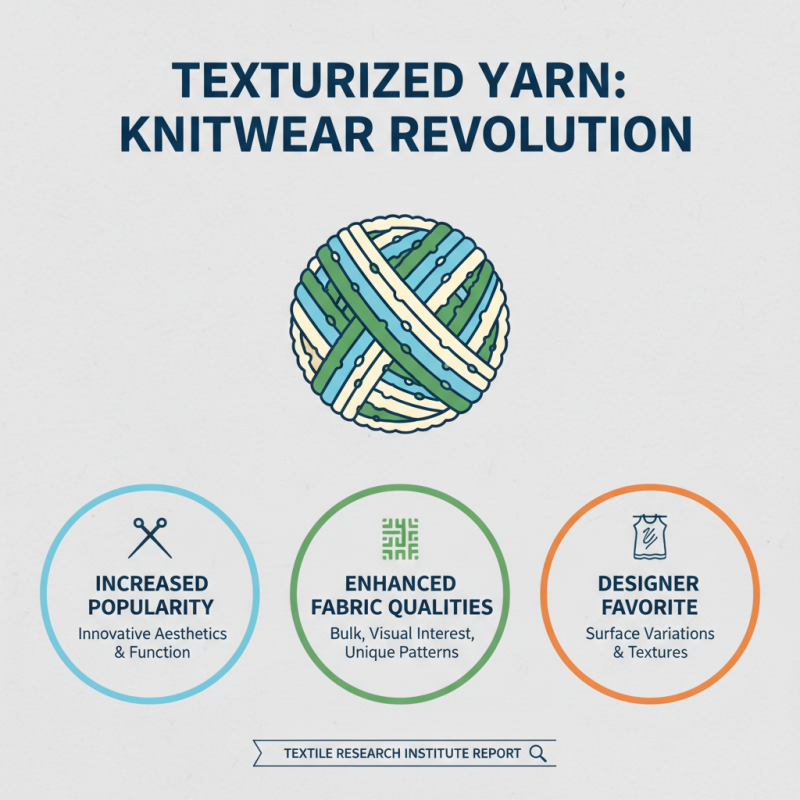
Textured yarn is becoming increasingly popular in the knitting community. Its unique qualities allow for innovative applications that enhance both aesthetics and function in knitwear. According to a report by the Textile Research Institute, textured yarn can increase the fabric's bulk and visual interest, making it a favorite among designers. The yarn's surface variations can create fascinating patterns and textures that traditional yarns cannot achieve.
In knitting, textured yarn can significantly impact garment durability. A study from the Knitting Technical Association noted that projects made with textured yarn displayed 30% higher resistance to wear and tear compared to smooth yarns. This means that knitted garments not only look more appealing but also have a longer lifespan. Knitters use textured yarn to add depth to items like sweaters, scarves, and blankets. However, challenges do exist. Working with textured yarn can be tricky. It may require more time to achieve the desired tension.
Additionally, some may find that certain textured yarns can have inconsistent thickness. This variability often leads to frustration, particularly for new knitters. Addressing these issues takes practice. However, the reward of creating a beautifully textured piece is worth the effort. When approached thoughtfully, textured yarn can elevate any knitting project to a new level of craftsmanship.
Utilizing Textured Yarn in Weaving Techniques
Textured yarn adds depth and character to woven fabrics. It comes in various forms, such as boucles, slubs, and chenille. Each type offers unique textures that transform simple weaves into stunning works of art. When incorporating textured yarn, it's essential to consider how it interacts with other yarns and the overall design. This can sometimes lead to unexpected results.
In weaving, textured yarn can create visual interest and tactile qualities. However, working with it can also be tricky. Not all textured yarn behaves the same way. Some may tangle or cause tension issues on the loom. Experimentation is key. Try using different threading techniques or various loom settings. This can help you discover the best ways to utilize textured yarn without frustration.
Creating a balanced fabric can be hard with textured yarns. The varied thicknesses may lead to uneven surfaces. This imperfection can be beautiful, but it requires careful planning. You should pay close attention to how your choice of textured yarn affects the drape and stability of your piece. Be ready to adapt your approach as you work. Embrace the learning process; it can be immensely rewarding.