Weavetech

China Top 10 Artificial Leather Manufacturers?

China’s Artificial Leather industry has grown into a major sourcing base for footwear, furniture, automotive interiors, bags, and upholstery. Yet choosing the right manufacturer requires more than comparing factory size or export claims. This guide examines ten leading Chinese producers through practical criteria, including material consistency, coating technology, production capacity, customization, quality control, and environmental transparency. The review considers polyurethane (PU), polyvinyl chloride (PVC), microfiber, and newer bio-based alternatives. Surface appearance matters. So do abrasion resistance, hydrolysis performance, flexibility, odor, and color stability under real use.

Materials scientist and circular-design expert Michael Braungart is widely associated with the principle, “Waste equals food.” That idea offers a useful test for Artificial Leather suppliers. Can a manufacturer explain its raw materials, production waste, chemical controls, and end-of-life limitations clearly? Some suppliers provide impressive samples, but samples alone prove little. Factory audits, laboratory reports, and verified certifications deserve greater weight. No ranking is perfect. A company strong in automotive leather may not suit luxury handbags or outdoor furniture. Buyers should also confirm minimum order quantities, lead times, backing fabrics, embossing options, and after-sales support. These details can change the final cost quickly. This article offers a practical starting point, not a permanent verdict. Market conditions shift, and supplier performance must be checked directly before any long-term agreement.
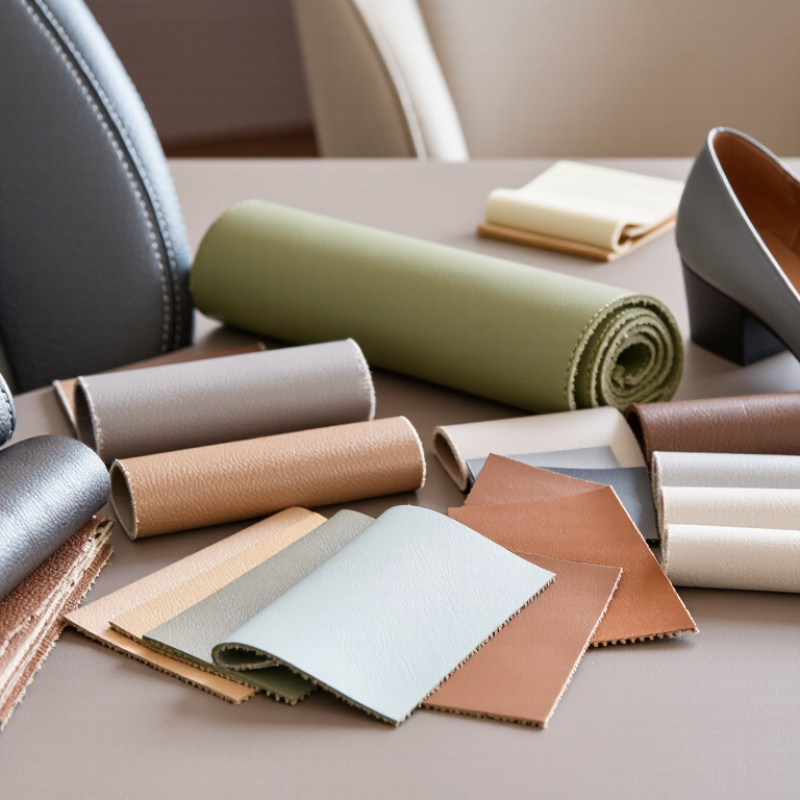
China Top 10 Artificial Leather Manufacturers?

Artificial Leather Manufacturing in China: Industry Overview

China’s artificial leather industry combines polymer chemistry, textile preparation, coating, embossing, and finishing. Manufacturers supply materials for upholstery, footwear, interiors, luggage, and industrial applications. Production follows a layered process. A textile base receives resin, color, surface texture, and protective treatment. Quality depends on stable curing, clean equipment, and consistent raw materials.

When comparing China’s top artificial leather manufacturers, buyers should examine technical evidence rather than product appearance alone. Reliable factories usually control thickness, tensile strength, abrasion resistance, colorfastness, and hydrolysis performance. They should provide traceable batch records and test reports from competent laboratories. Factory capability matters more than attractive samples. A sample may look excellent, yet fail after flexing, heat, or repeated cleaning. Buyers should inspect production lines, storage conditions, and rejected-roll procedures. No factory is perfect. Some published claims also remain difficult to verify without independent testing.

Tips: Request a small trial order before long-term purchasing. Define thickness, backing weight, grain depth, color tolerance, odor limits, and packaging clearly. Ask how wastewater, solvents, and workplace safety are managed. Check whether production records match the delivered rolls. Keep test samples for future comparison. This simple step can reveal batch variation, which is sometimes overlooked during rushed sourcing.

China Artificial Leather Manufacturing: Typical Product Thickness Ranges

China’s artificial leather industry supplies products for footwear, furniture, automotive interiors, luggage, apparel, and industrial applications. The chart shows representative commercial thickness ranges by material type; actual specifications vary according to coating structure, backing fabric, end use, and performance requirements.

Data basis: commonly published technical specifications for commercial PVC, PU, microfiber, and silicone synthetic leather products. Values are shown in millimeters.

Key Criteria for Ranking China’s Leading Manufacturers

China’s artificial leather sector deserves more than a factory-counting list. Ranking the top ten requires measurable evidence, not polished catalog language. Grand View Research valued the global synthetic leather market at about US$63 billion in 2023. It also expects strong growth through 2030. This scale makes consistency and traceability important.

A credible ranking should examine production capacity, export experience, and quality controls. Factory audits should verify coating thickness, roll-width tolerance, color consistency, and defect rates. Independent laboratory results should test abrasion, peel strength, tensile performance, and hydrolysis resistance. These details matter when material covers vehicle seats, footwear, or furniture. Evidence matters. A low price alone cannot prove manufacturing strength.

Sustainability needs a measurable place in the ranking. Textile Exchange reported 124 million tonnes of global fiber production in 2023, with polyester accounting for 57%. Since many artificial leather products use textile backings, evaluators should inspect recycled content, wastewater handling, chemical management, and supply-chain records. ISO 9001 and ISO 14001 certificates can support credibility, but certificates require verification and current audit records. Delivery reliability also deserves a score, including sample accuracy, batch consistency, and response time. No ranking is perfectly neutral. Smaller manufacturers may lack impressive reporting while offering excellent technical work, so published data should be checked against factory visits and third-party tests.

Top 10 Chinese Artificial Leather Manufacturers

China’s top 10 artificial leather manufacturers are often judged by production depth, material control, and export experience. A reliable supplier should explain its base fabric, coating system, thickness range, and testing process clearly. Vague answers deserve caution.

During factory evaluations, buyers should inspect coating lines, embossing rollers, drying ovens, and finished-roll storage. These details reveal daily production discipline. Strong Chinese manufacturers usually provide samples with consistent color, grain, softness, and bonding strength. They may also support polyurethane and PVC materials for furniture, footwear, automotive interiors, and bags.

Testing matters. Ask for abrasion, hydrolysis, flexing, tensile, and colorfastness results. Independent laboratory reports are more useful than attractive brochures. Check whether the sample matches the mass-production lot. It sometimes does not.

The best suppliers communicate realistic lead times and disclose material limitations. Some factories excel at high-volume standard textures but struggle with small custom orders. Others offer excellent development support but need longer scheduling. A ranking can guide research, not replace an audit. Even experienced buyers may miss hidden differences in backing fabric, recycled content, or adhesive performance. Small details often decide long-term reliability.

Materials, Technologies, and Product Applications

China’s top artificial leather manufacturers compete through material control, process stability, and application-specific design. Common options include PVC leather, solvent-free PU, waterborne PU, microfiber leather, and partially bio-based composites. Each material behaves differently under heat, moisture, folding, and repeated contact. A soft sofa surface may need high abrasion resistance, while footwear requires flex resistance and stable color after bending.

Manufacturers usually combine coating, calendaring, embossing, printing, and lamination technologies. Some factories use fine-grain rollers to create realistic pores and controlled gloss. Others develop microfiber structures for a denser, suede-like hand feel. For automotive interiors, suppliers often test fogging, odor, flame behavior, aging, and seam strength. Furniture projects may focus more on Martindale abrasion, hydrolysis resistance, stain cleaning, and color migration. Small details matter. A sample can look excellent and still fail after prolonged humidity.

When comparing ten manufacturers, buyers should request production samples, technical data, test methods, and batch records. Ask whether the factory controls thickness across the full roll, not only at selected points. Confirm restricted-substance compliance for the target market. Waterborne coatings can reduce solvent concerns, but they may require tighter drying control. Bio-based content sounds promising, although durability and traceability still need verification. I would not choose from appearance alone. A slightly uneven grain may reveal a process weakness, yet an overly perfect surface can hide poor flex performance. Application testing remains essential.

China Top 10 Artificial Leather Manufacturers? - Materials, Technologies, and Product Applications

The table presents ten anonymized manufacturer capability profiles based on common production technologies and commercially established artificial-leather specifications in China. Performance figures are indicative industry ranges rather than company-specific claims.

Rank Anonymous Manufacturer Profile Primary Material System Substrate and Structure Core Production Technologies Typical Thickness Key Performance Features Main Product Applications Common Compliance and Testing Typical Product Forms
1 Profile A: High-Volume PU Producer Solvent-free or waterborne polyurethane Polyester, nylon, or microfiber nonwoven backing
  • Release-paper coating
  • Wet or dry lamination
  • Embossing and surface finishing
0.6–1.5 mm Soft hand feel, good flex resistance, low odor, and broad color customization Furniture upholstery, handbags, footwear uppers, automotive trim, and accessories Colorfastness, abrasion, hydrolysis, tensile strength, VOC, and restricted-substance testing Roll goods, cut panels, laminated sheets, and custom embossed surfaces
2 Profile B: PVC Coated-Fabric Specialist Plasticized polyvinyl chloride Knitted, woven, or nonwoven polyester backing
  • Knife coating or calendering
  • Rotary embossing
  • Foam-layer lamination
0.7–2.5 mm High wear resistance, economical production, water resistance, and consistent surface texture Contract furniture, transport seating, bags, footwear, wall panels, and protective covers Flammability, abrasion, tensile strength, tear strength, phthalate, and heavy-metal testing Leather-look rolls, foam-backed rolls, and finished upholstery panels
3 Profile C: Microfiber Synthetic-Leather Producer Polyurethane applied to ultrafine-fiber microfiber base Three-dimensional polyester or polyamide microfiber nonwoven
  • Microfiber impregnation
  • Precision coating
  • Buffing, brushing, and finishing
0.8–1.8 mm High tear strength, uniform grain, natural drape, breathable structure, and premium touch Automotive interiors, premium footwear, luggage, handbags, furniture, and technical goods Flexing, peel strength, hydrolysis, abrasion, colorfastness, and environmental-aging tests Full-grain, corrected-grain, nubuck-look, and suede-look rolls
4 Profile D: Waterborne PU Technology User Waterborne polyurethane dispersion Polyester, cotton-blend, or microfiber textile backing
  • Water-based coating
  • Low-temperature drying
  • Digital or rotary surface printing
0.5–1.4 mm Reduced solvent emissions, soft surface, low odor, and suitability for detailed printed designs Apparel accessories, handbags, footwear, interior décor, and consumer products VOC, odor, color migration, wet and dry rub, hydrolysis, and chemical-resistance testing Printed rolls, smooth sheets, embossed sheets, and lightweight laminated materials
5 Profile E: Automotive Interior Material Producer Automotive-grade PU or PVC composite Textile backing with foam, compact coating, or multilayer construction
  • Multi-layer coating
  • Vacuum forming compatibility
  • Perforation and precision embossing
0.9–1.6 mm Low fogging, UV resistance, abrasion durability, controlled grain, and stable appearance Vehicle seats, door panels, instrument panels, armrests, and steering-wheel components Fogging, odor, lightfastness, abrasion, flame resistance, VOC, aging, and OEM validation tests Perforated rolls, molded cover materials, cut kits, and laminated interior sheets
6 Profile F: Fire-Performance Upholstery Supplier FR-treated PVC, PU, or inherently modified polymer system Fire-resistant polyester, glass-fiber, or blended textile backing
  • Flame-retardant formulation
  • Knife coating or transfer coating
  • Protective topcoat application
0.8–2.0 mm Improved flame performance, abrasion resistance, cleanability, and dimensional stability Public seating, hospitality furniture, healthcare furniture, marine interiors, and transport interiors Vertical flame, cigarette and match ignition, abrasion, seam slippage, hydrolysis, and chemical cleaning tests Contract upholstery rolls, coated panels, and perforated upholstery materials
7 Profile G: Footwear and Sports-Goods Material Producer Flexible PU, microfiber PU, or PVC-free synthetic leather Knitted textile, microfiber, or nonwoven reinforcement
  • Hot-melt lamination
  • High-definition embossing
  • Perforation and functional finishing
0.6–1.3 mm Flexibility, scuff resistance, stitchability, color consistency, and low-temperature performance Sports shoes, casual footwear, work shoes, gloves, balls, and protective equipment Flex resistance, tear strength, peel strength, abrasion, cold cracking, colorfastness, and hydrolysis tests Upper material rolls, shoe panels, laminated sheets, and perforated material
8 Profile H: Sustainable and Recycled-Content Developer Waterborne PU, recycled polyester, bio-based PU blends, or PVC-free systems Recycled textile, regenerated fiber, or plant-fiber blended backing
  • Solvent-reduced coating
  • Mechanical embossing
  • Recycled-content lamination
0.7–1.6 mm Lower solvent use, recycled-content options, soft handle, and design flexibility Fashion accessories, footwear, furniture, packaging, and lifestyle products Recycled-content verification, VOC, restricted substances, abrasion, colorfastness, and durability testing Recycled-content rolls, molded components, flat sheets, and custom surface finishes
9 Profile I: Outdoor and Marine Synthetic-Leather Producer UV-stabilized PVC or aliphatic polyurethane Solution-dyed polyester or high-strength woven backing
  • Weather-resistant coating
  • Anti-mildew treatment
  • Heat-sealable or weldable construction
0.8–1.8 mm Water resistance, UV stability, mildew resistance, cleanability, and strong seam performance Outdoor furniture, boat seating, awnings, recreational vehicles, and patio cushions UV aging, hydrostatic pressure, mildew, low-temperature flex, abrasion, seam strength, and chemical-resistance tests Outdoor upholstery rolls, coated fabrics, welded panels, and cushion-cover materials
10 Profile J: Decorative and Specialty Surface Producer PU, PVC, silicone-coated textile, or multilayer polymer composite Textile, paper, nonwoven, or technical-fabric substrate
  • Rotary embossing
  • Digital printing
  • Metallic, matte, glossy, and protective topcoats
0.4–1.5 mm High design variation, customized textures, decorative effects, and controlled gloss levels Wall coverings, display products, furniture accents, packaging, fashion goods, and interior décor Surface adhesion, rub resistance, colorfastness, flammability where required, VOC, and chemical-resistance tests Decorative rolls, printed sheets, textured panels, and custom-finished materials

Quality Standards, Export Markets, and Buyer Considerations

China Top 10 Artificial Leather Manufacturers?

A credible top-ten list should examine more than factory size. Grand View Research’s 2024 assessment forecasts synthetic leather demand to grow at roughly 7% annually through 2030. This growth increases pressure on Chinese manufacturers to prove consistent quality. Buyers should request ISO 9001 certification, batch inspection records, and laboratory results for abrasion, peeling strength, colorfastness, and hydrolysis resistance. Small details matter. A surface may look flawless but crack after repeated flexing.

Export suitability also requires market-specific compliance. European buyers should check REACH chemical restrictions and supply-chain declarations. US buyers often require restricted-substance testing, flammability documentation, and clear labeling records. For automotive or furniture applications, testing should follow the buyer’s technical specification, not only a general factory standard. UN Comtrade trade data for coated textile materials shows China remains a major exporting origin, serving Europe, North America, Southeast Asia, and the Middle East. However, export volume alone does not prove reliability.

From practical purchasing experience, I would compare at least three production samples from different batches. Confirm thickness tolerance, backing-fabric density, odor, color deviation, and roll length. Ask whether production uses water-based or solvent-based coating, then verify the claim through test reports. A perfect scorecard is unrealistic. Some suppliers communicate well but lack stable quality control. Others offer excellent samples but weaker after-sales handling. Buyers should inspect the factory, define acceptance limits, and keep written records before placing a large order.