Weavetech

Top 10 Jacquard Machine Manufacturers in the World

A jacquard machine turns pattern instructions into controlled warp-yarn movement, allowing complex motifs to emerge directly on woven fabric. This capability serves apparel, upholstery, decorative textiles, and some technical applications. But reliable results depend on more than headline speed. Working width, hook capacity, electronic controls, loom compatibility, and maintenance access all shape the buying decision. Details matter. A dense floral repeat, for example, may demand different pattern control than a simple geometric design. A machine that performs well in one mill may not suit another’s yarns, fabric structure, or production volume. That distinction is easy to overlook.

This guide introduces ten notable jacquard machine manufacturers and compares their product focus, engineering approach, application range, and service capabilities. It does not assume one supplier is the right choice for every mill. Company portfolios change, and specifications may vary by configuration or region. Buyers should confirm current technical data, installation requirements, spare-parts availability, and service terms directly with each manufacturer. Where possible, they can review fabric samples or arrange a production trial using their intended yarn and pattern. No model fits all. A careful comparison can narrow the field, but it cannot replace a mill-specific evaluation. The list is a useful starting point, not a guarantee. Rankings are imperfect.
Top 10 Jacquard Machine Manufacturers in the World

What Jacquard Machines Do in Textile Manufacturing

Top 10 Jacquard Machine Manufacturers in the World

What Jacquard Machines Do in Textile Manufacturing

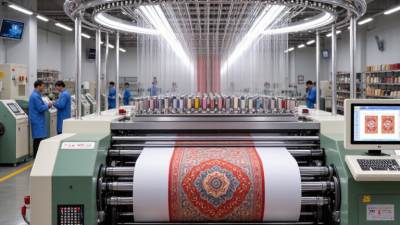
Jacquard machines control warp threads to weave detailed patterns directly into fabric. Unlike basic looms, they can raise selected threads independently, creating motifs such as leaves, lettering, and geometric repeats. Electronic models read digital design files, helping mills change patterns without rebuilding the entire weaving setup. They are used for apparel, upholstery, carpets, and other patterned textiles.

The production context is substantial: Textile Exchange’s Materials Market Report 2024 estimates global fiber production reached 124 million tonnes in 2023. That figure does not measure Jacquard use, but it shows the scale of material flowing through textile supply chains. In practice, output depends on more than the machine. Yarn tension, loom speed, and design complexity all affect fabric quality. A screen preview can look perfect; the woven sample may still reveal puckering or uneven detail. That part is easy to underestimate.

Tips: Before a full run, weave a small sample using the intended yarn and settings. Check the reverse side, pattern repeat, and thread tension under real lighting. One test may not catch every issue, but it can prevent a costly batch mistake.

How the Leading Jacquard Machine Manufacturers Are Compared

Comparing leading jacquard machine manufacturers requires more than checking production speed or maximum hook count. Buyers should examine how reliably each machine handles the fabrics and patterns they actually produce. A dense upholstery design, for example, places different demands on yarn control than a lightweight scarf. Ask for sample runs using comparable yarn, repeat size, and operating speed. Then inspect the fabric for misplaced threads, uneven tension, and defects near pattern changes. Small errors matter.

Control software and loom compatibility also deserve close attention. Clear setup screens can reduce operator training time, while practical diagnostics may help identify a broken connection before it interrupts a shift. Yet feature lists can be misleading. A useful comparison includes maintenance access, spare-part availability, energy use, and the time needed to change a design. Request service details in writing, and speak with operators who use similar equipment daily. Their experience may reveal awkward procedures that a showroom demonstration will not. No scorecard is perfect. Production conditions vary, and a carefully planned trial can expose gaps in assumptions. Manufacturers should be judged on measurable performance and the support they can document, not promises alone.

The Top 10 Jacquard Machine Manufacturers Worldwide

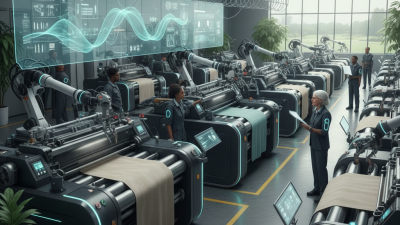
The top ten jacquard machine manufacturers worldwide compete on more than speed. Buyers compare pattern-control accuracy, loom compatibility, service access, and the time needed to change designs. In a real weaving room, thread tension and electronic settings can decide whether a detailed motif stays crisp across a full fabric roll. Small details count. The ITMF’s 46th International Textile Machinery Shipment Statistics, published in 2023, reported about 133,000 shuttle-less looms shipped worldwide in 2022, a 3% increase from the previous year. This figure covers shuttle-less looms broadly, not jacquard machines alone.

That distinction matters when reading market rankings. A large shipment footprint does not prove that a manufacturer’s jacquard systems suit every mill, fabric weight, or maintenance team. Compare usable pattern capacity, machine width, energy demand, spare-part availability, and local technical support. Ask for production references using similar yarns and designs, then check the fabric under actual operating conditions. Not a perfect proxy. Published specifications may also omit setup time, operator training, and service delays—factors that affect output after installation. A careful shortlist should weigh verified production evidence alongside machine features, rather than treating headline speed as the whole story.

Top 10 Jacquard Machine Manufacturers Worldwide

Jacquard Technology: Key Historical Milestones

This chart provides historical context for Jacquard technology; it does not rank manufacturers or compare company performance.

Key Technologies and Specialties of These Manufacturers

A comparison of the world’s leading jacquard machine manufacturers should look beyond maximum speed. Their key differences often lie in electronic control, hook selection, and how reliably the machine integrates with a loom. Some specialize in high-capacity systems for intricate patterns, while others focus on compact configurations or flexible production. These choices affect fabric detail, setup time, and maintenance needs.

Look closely at control software and pattern-data handling. Clear diagnostics can help operators find a faulty hook or connection without stopping production for long. Modular components may simplify repairs, but only when replacement parts and trained service are accessible. Ask manufacturers for fabric samples and test reports under comparable conditions. A polished demonstration is useful, but it may not reflect a full shift with frequent pattern changes. That distinction is easy to miss.

Tips: Match the machine to your yarn, fabric width, and expected pattern complexity. Check noise, access for cleaning, and spare-part lead times during a factory visit. Small details matter. Also ask how upgrades affect existing looms; compatibility claims deserve practical verification.

How to Choose a Jacquard Machine Manufacturer for Your Needs

Choosing a jacquard machine manufacturer starts with the fabric you actually plan to make. List your yarn types, pattern complexity, working width, and expected production volume. A machine suited to fine upholstery may not handle delicate, lightweight cloth well. Ask for a sample run using your own yarn. Check the reverse side, pattern edges, and consistency across the fabric width. Ask for proof.

Compare the machine’s controls, shedding system, and compatibility with your existing loom setup. Request clear specifications for speed, power use, maintenance intervals, and supported file formats. Then ask who provides operator training and how quickly common spare parts can be delivered. A low purchase price can become costly if a small sensor failure stops production for days. Check the details.

Look beyond demonstration videos. If possible, inspect a working installation and speak with operators about setup time, cleaning, and downtime. Compare service commitments in writing, including response times and software support. There is no perfect specification sheet; some needs only become obvious during production. A short pilot run can reveal awkward threading access or pattern changes that take longer than expected. Record those issues before committing, and weigh the total operating cost against the machine’s output and support.

Top 10 Jacquard Machine Manufacturers in the World - How to Choose a Jacquard Machine Manufacturer for Your Needs

The table below compares ten practical evaluation areas rather than ranking unnamed companies. Jacquard equipment varies by loom, fabric, and configuration, so confirm specifications directly with each manufacturer.

No. Evaluation area What to verify with the manufacturer Why it matters
1 Loom compatibility Confirm the jacquard head is designed for your loom type, mounting arrangement, working width, and drive system. Compatibility affects installation, operation, and integration with the existing loom.
2 Hook capacity and configuration Check the available hook count, selection arrangement, and whether the proposed configuration suits the design and warp setup. Jacquard mechanisms control warp ends individually or in selected groups; the required capacity depends on the design and machine setup.
3 Control system Ask whether the system is electronic or mechanical, how patterns are loaded, and which file formats and control interfaces are supported. Electronic systems select hooks through electronic controls; traditional mechanical systems can use punched-card patterning.
4 Fabric and application suitability Request evidence of operation with fabrics and yarns similar to your intended products, such as apparel, upholstery, or technical textiles. Yarn, fabric construction, and end use influence the appropriate machine configuration and operating conditions.
5 Operating speed and stability Request the rated operating conditions and trial results for your intended pattern, yarn, and loom combination. There is no single meaningful speed figure for every setup; performance depends on the machine configuration and production conditions.
6 Pattern preparation workflow Review the pattern-design software, file conversion process, operator training, and procedure for correcting or updating designs. A workable design-to-machine process helps avoid format problems and production delays.
7 Installation and commissioning Clarify site requirements, installation scope, commissioning tests, and whether support is available at your location. Proper setup is needed to integrate the jacquard mechanism with the loom and verify operation before production.
8 Maintenance and spare parts Request the maintenance schedule, recommended spare-parts list, parts availability, and repair procedures. Planned maintenance and accessible replacement parts can reduce avoidable downtime.
9 Training and technical support Confirm operator and maintenance training, support channels, service hours, and the process for diagnosing faults. Support quality affects how quickly staff can operate the equipment and respond to production issues.
10 Total cost and warranty terms Compare the written quotation, included accessories, installation and training charges, warranty coverage, exclusions, and delivery terms. A like-for-like comparison should account for the full purchase and support scope, not only the machine price.