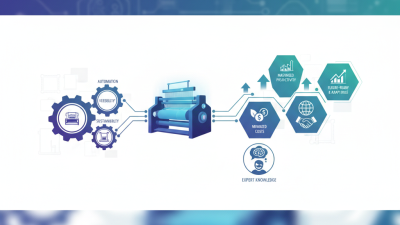
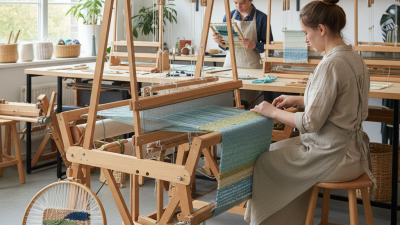
Selecting a textile machine manufacturer is a practical decision, not just a search for the lowest quotation. China has suppliers serving different stages of production, from spinning and weaving to knitting, dyeing, and finishing. Their capabilities vary. Some focus on a narrow product range, while others offer complete production lines, automation, and installation support.
This guide introduces ten notable Chinese manufacturers and the equipment they are known for. It considers product coverage, technical documentation, customization, after-sales service, and experience with overseas projects. These details matter when a machine must fit an existing factory floor, match a target fabric, or run reliably across long shifts. A brochure alone cannot confirm performance. Ask for specifications, references, spare-parts arrangements, and, where possible, a live demonstration. Small details count.
The companies listed should be treated as options to investigate, not as a universal ranking. “Top” depends on the process, budget, production volume, and local service needs. A supplier may excel at high-speed weaving but be less suitable for a small knitting workshop. Some information can also change as product lines and service networks evolve. That deserves attention. Use the comparison as a starting point, verify claims directly with each manufacturer, and assess how the equipment would perform in your own operating conditions.
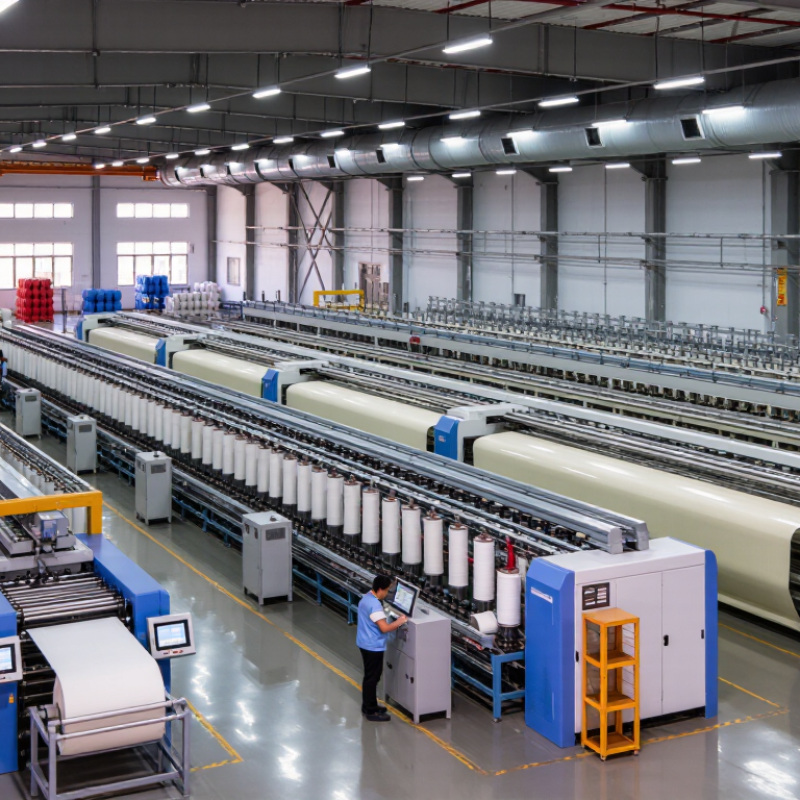
China’s textile machinery industry is best understood as a connected manufacturing ecosystem, not a row of isolated factories. Equipment makers work alongside suppliers of motors, controls, bearings, frames, and precision parts. Many firms specialize in one stage, such as spinning, weaving, knitting, dyeing, or finishing. The structure encourages practical coordination. It can also make quality uneven.
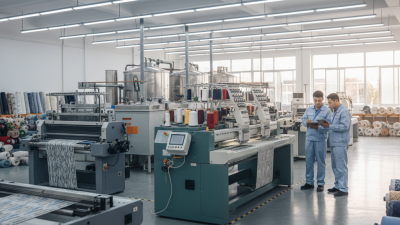
Production and engineering are often concentrated in industrial regions, where component access, skilled technicians, and transport links support short supply chains. Larger manufacturers may integrate design, assembly, testing, and service. Smaller workshops often handle parts or customized units. On a shop floor, that difference can show in a control cabinet, loom alignment, or how quickly a replacement spindle arrives. Small details matter.
The industry also depends on relationships with textile mills. Buyers assess output consistency, energy use, maintenance access, and compatibility with existing lines—not just purchase price. Local service networks can reduce downtime, while export-oriented production requires clear documentation and dependable parts support. Yet the structure is not perfect: rapid customization may complicate standardization, and advertised capacity does not always reflect performance during continuous operation. Ask for trial data.
When comparing textile machine manufacturers in China, look beyond catalog photos. Match the machine to your fabric, yarn, production volume, and target operating speed. Ask for technical specifications and test records from comparable materials. A loom that performs well with one yarn may struggle with another. Small details matter: vibration, thread breaks, and fabric consistency during a full shift.
Evaluate build quality, component sourcing, and service support together. Request a factory tour or a live production demonstration, and inspect finished parts for clean machining and consistent assembly. Ask how quickly common wear parts can be supplied and whether technicians can help with installation and troubleshooting. Check quality certificates, but verify their scope and dates; a certificate alone does not prove reliable performance. Speak with current users when possible. Their experience may reveal gaps that a polished presentation misses.
Tips: Compare total ownership costs, not just purchase prices. Include energy use, maintenance, training, spare parts, and expected downtime. Ask for a written trial plan with clear acceptance measures. Keep in mind that estimates can be optimistic. Test carefully.
Suggested evaluation weighting (%) for comparing manufacturers. These are framework weights, not survey results or company rankings.
Assess product quality and reliability alongside after-sales support, technical capability, and delivery performance. Adjust the weights to match the machinery type and your purchasing priorities.
China’s textile machinery sector includes specialists in spinning, weaving, knitting, dyeing, finishing, and automation. A useful Top 10 comparison should examine these different fields rather than treat every factory as interchangeable. Production needs vary. A cotton mill may prioritize stable yarn quality, while a garment plant may care more about flexible knitting equipment and quick changeovers.
Evaluate manufacturers through verifiable details: machine specifications, output under stated conditions, energy use, spare-part availability, and service response times. Ask to see test records or arrange a production trial when possible. Inspect practical features, too, such as how easily operators reach maintenance points and whether control settings are clearly documented. Small details matter.
No ranking fits every buyer. A company with broad product coverage may not offer the best support for a specific process, and published capacity figures can be hard to compare. That is worth remembering. Build a shortlist of ten candidates across the relevant machine categories, then check references from mills with similar materials and production volumes. Real operating feedback is useful, though it can still be incomplete. A careful comparison should weigh total operating cost alongside purchase price, delivery schedules, training, and service coverage.
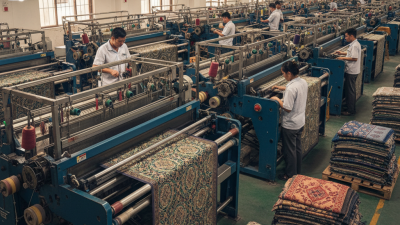
China’s textile machinery sector covers spinning, weaving, knitting, dyeing, and finishing equipment. Leading manufacturers often specialize rather than build every machine type. Their product ranges may include ring-spinning frames, shuttleless looms, circular knitting machines, and fabric inspection systems. These machines turn fiber into yarn, cloth, and finished material. The details matter. A stable yarn path, for example, can reduce breaks during a long production run. Modern controls monitor speed, tension, and temperature, helping operators spot changes before defects spread.
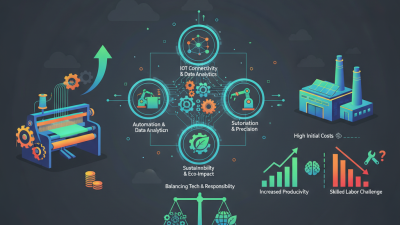
Many newer systems pair sensors with computer-based production controls. In dyeing and finishing, precise temperature and liquid-flow regulation can improve shade consistency and reduce waste. Some looms use electronic controls to manage patterns and machine timing, while knitting systems support rapid style changes. Energy-saving motors and heat recovery are also common areas of development. Yet technology alone does not guarantee better output. Not every upgrade pays back quickly. A mill must consider fabric type, operator training, spare-parts access, and maintenance conditions. Brochures rarely show the full picture. Comparing sample fabrics and trial data can reveal practical strengths—and sometimes expose a mismatch between a machine’s advertised capacity and daily production needs.
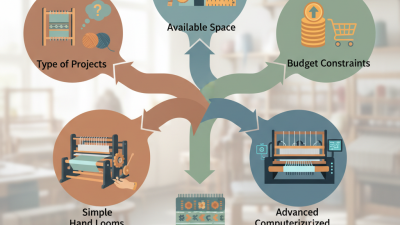
Choosing a textile machine manufacturer in China starts with your production mix, not a catalogue’s headline speed. A mill making lightweight jersey needs different feeding control from one weaving heavy upholstery fabric. Check machine width, working speed, material range, and expected changeover time. Ask for trial data using fabric close to yours; showroom samples may not reveal tension problems. Compare maintenance access, spare-part availability, operator training, and technical support. A fast line is not always the best line.
Tips: Bring a fabric swatch, target output, and defect limits to each discussion. Request a written test plan and sample report. Record fabric consistency, adjustment time, noise, and vibration. Small differences can matter across long shifts.
For small batches, flexible settings and quick style changes may matter more than maximum throughput. High-volume plants should examine energy use, uptime records, and compatibility with existing equipment. Ask how performance figures were measured, and whether they include setup and stoppage time. It is easy to overvalue the purchase price and underestimate service needs. A specification may look convincing until the first fault occurs.
Comparison guide: The rows below cover ten established textile machinery categories, not a verified ranking of companies. No company or brand names are included. Compare individual manufacturers using the machine specifications, material compatibility, service support, and production requirements listed for your application.
| No. | Manufacturer Capability | Typical Equipment | Best Fit | Key Comparison Criteria | Questions to Ask Before Purchasing |
|---|---|---|---|---|---|
| 1 | Cotton spinning machinery | Blow-room equipment, carding machines, drawing frames, combers, roving frames, and ring spinning frames | Plants producing cotton yarn for knitting or weaving | Fiber-length and count range; production rate; yarn quality; automation; energy use; compatibility across process stages | Can the proposed line process the intended cotton grade and yarn counts? Are output and quality figures supported by a comparable installation? |
| 2 | Open-end and rotor spinning machinery | Rotor spinning machines and associated fiber-preparation equipment | Producers seeking a direct spinning route for suitable yarn applications | Supported fiber types and yarn counts; rotor configuration; end-break performance; package format; operating and maintenance requirements | Which yarn structures and end uses are suitable? What production conditions were used to establish the quoted output? |
| 3 | Air-jet and vortex spinning machinery | Air-jet or vortex spinning frames and related drafting and winding systems | Manufacturers evaluating alternative spinning systems for specific fiber blends and yarn markets | Fiber and blend compatibility; count range; compressed-air demand; yarn properties; setup flexibility; spare-part availability | Has the machine been tested with the exact fiber blend and yarn specification required for production? |
| 4 | Shuttleless weaving machinery | Air-jet, water-jet, and rapier looms | Woven-fabric producers selecting equipment for particular yarns, fabric constructions, and mill utilities | Weft insertion method; working width; fabric range; speed under the intended construction; compressed-air or water requirements; changeover time | Can the loom run the target fabric reliably? What utilities, operator skills, and environmental controls are required? |
| 5 | Knitting machinery | Circular knitting machines, flat knitting machines, and warp-knitting machines | Producers of knitted fabrics, garments, technical textiles, or shaped knitted products | Machine type; gauge; diameter or working width; stitch and pattern capability; yarn-feed options; fabric quality and changeover requirements | Does the machine support the required structure, yarn, and finished-fabric specification? Can sample fabric be reviewed before ordering? |
| 6 | Nonwoven machinery | Web-forming, bonding, needling, and finishing lines for nonwoven fabrics | Producers of products such as filtration media, wipes, insulation, and geotextiles | Web-forming process; fiber compatibility; basis-weight range; usable line width; bonding method; line integration and quality controls | Can the line meet the target product properties across the required basis-weight range? Which upstream and downstream units are included? |
| 7 | Dyeing and coloration machinery | Batch dyeing machines, continuous dyeing ranges, and yarn-dyeing equipment | Textile processors choosing a process for fiber form, batch size, color range, and production flow | Suitable fiber and fabric forms; batch capacity or line configuration; temperature and process control; water and chemical use; cleaning and repeatability | What recipe and material were used in performance tests? What provisions support wastewater treatment and process-safety requirements? |
| 8 | Finishing and coating machinery | Stenters, compactors, calendars, coating units, and drying or curing equipment | Plants applying dimensional, surface, handle, or functional finishes to textile materials | Working width; temperature and speed control; compatible finish chemistry; coating or application uniformity; exhaust and heat-management systems | Can the equipment achieve the specified finish without damaging the substrate? Are production trials available for the intended fabric? |
| 9 | Textile printing machinery | Rotary-screen and digital textile printing systems, with compatible pretreatment and fixation equipment | Print producers comparing designs, order sizes, substrates, and color requirements | Printing process; fabric compatibility; usable width; color-management workflow; pretreatment and fixation needs; cleaning and maintenance | Which inks, substrates, and fixation steps are required? Are print samples and color-consistency results available? |
| 10 | Textile inspection and winding machinery | Fabric inspection frames, roll winders, yarn winders, and automated defect-detection systems | Mills needing controlled roll preparation, inspection, or quality-data capture | Material and roll-size range; inspection speed; defect detection and recording; tension control; integration with production data systems | Which defect types can the system detect? Can it handle the actual fabric, lighting, speed, and roll dimensions used in the plant? |