China Top Robot Capacitor Manufacturers for Global Buyers
China has become a major sourcing base for capacitors used in robotic arms, automated guided vehicles, servo systems, and industrial controllers. This guide introduces China’s leading Robot Capacitor manufacturers for global buyers seeking stable performance and practical supply support. It focuses on evidence, not attractive catalog language.
Experienced buyers usually inspect voltage ratings, capacitance tolerance, ripple current, operating temperature, and expected service life. They also review factory testing, traceability records, sample consistency, and production capacity. A reliable manufacturer should explain how its capacitors perform near servo drives, control cabinets, and repeated-motion equipment. Details matter. Small differences in heat management can affect downtime, maintenance costs, and robot accuracy.
The selection process also considers certifications, export experience, engineering support, and communication quality. Strong suppliers can provide drawings, test reports, customized dimensions, and clear packaging information. Some manufacturers may offer impressive specifications but limited evidence. That deserves careful questioning. A polished catalog is not proof. Buyers should compare samples under realistic electrical and thermal conditions before approving volume orders. This guide does not treat every supplier as equally suitable. Instead, it highlights capabilities that support dependable procurement, including quality systems, application knowledge, transparent documentation, and responsive after-sales service. Market information can change, and supplier performance may vary by project. Independent verification remains essential.
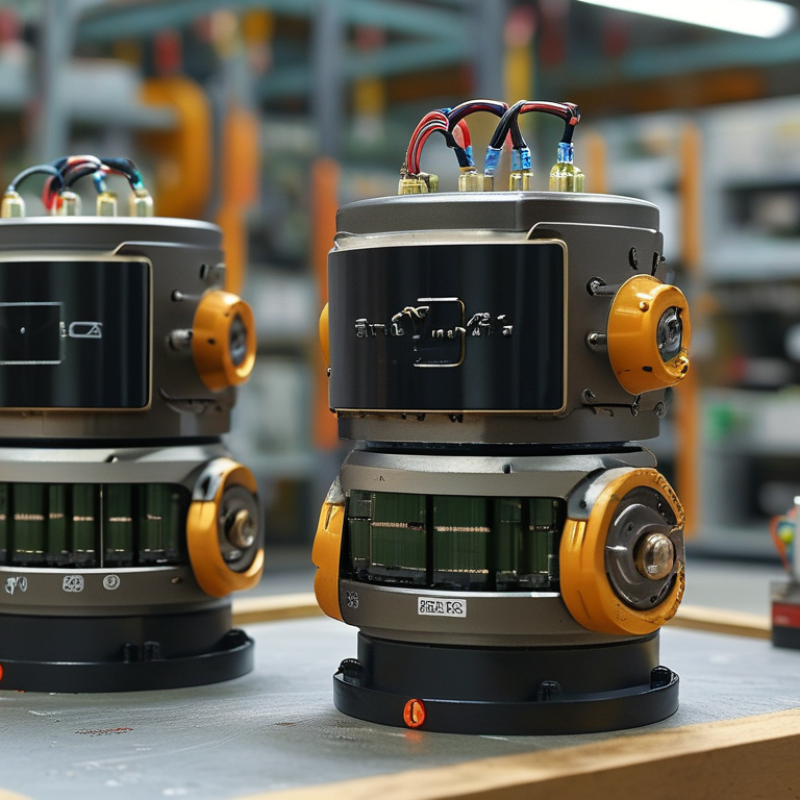
Robot Capacitors: Roles, Types, and Essential Performance Requirements
China Top Robot Capacitor Manufacturers for Global Buyers
Robot capacitors support energy storage, voltage smoothing, filtering, and motor-drive control. In servo systems, DC-link capacitors absorb ripple during rapid acceleration and braking. Film capacitors suit high-frequency switching and strong pulse loads. Aluminum electrolytic capacitors offer high capacitance in compact packages. Ceramic capacitors handle local noise suppression near control circuits.
The International Federation of Robotics reported 541,302 industrial robot installations worldwide in 2023. This expanding installed base increases demand for stable, long-life power components. Performance requirements are strict. Buyers should check rated voltage, ripple current, capacitance tolerance, ESR, operating temperature, and expected lifetime. IEC 61071 addresses power electronic capacitors, while IEC 60384 covers fixed capacitors used in electronic equipment. These standards help, but they do not replace application testing. A capacitor may pass laboratory checks yet fail under repeated thermal cycling. That uncomfortable gap deserves attention.
Tips: Match ripple-current ratings with the actual inverter waveform, not only the motor’s nameplate. Test at the highest cabinet temperature. Keep clearance and creepage distances documented. Request life calculations, batch traceability, and endurance-test records from suppliers. A 105°C rating sounds useful, but lifetime can drop sharply near the limit. Mechanical vibration also matters in robotic joints. Do not overlook mounting stress. Some specifications remain vague, and buyers should challenge them before approval.
How to Evaluate China’s Leading Robot Capacitor Manufacturers
Choosing China’s leading robot capacitor manufacturers requires more than comparing prices. Start with the robot’s working conditions: servo drives may face high ripple current, rapid charging, vibration, and temperatures above 85°C. A capable manufacturer should match capacitance, voltage rating, ESR, lifetime, and thermal performance to these demands.
Ask for technical datasheets, test records, and sample units before approving a supplier. Look for evidence of controlled winding, clean assembly areas, automated inspection, and reliable aging tests. Factory audits should confirm material traceability from film and electrolyte suppliers to finished capacitors. Certifications aligned with relevant IEC requirements add credibility, but certificates alone prove little. Review their scope and expiry dates carefully.
Production experience matters. Manufacturers serving industrial automation should explain failure modes, surge protection, and expected service life in practical terms. Their engineers should answer specific questions without hiding behind generic documents. Check whether samples remain stable after heat, humidity, vibration, and ripple-current testing. Delivery consistency also deserves attention, since a perfect component arriving late can stop an assembly line.
Do not trust the lowest quotation immediately. It may exclude testing, packaging, or warranty support. My evaluation checklist is useful, but not perfect; field data can challenge laboratory assumptions. Request a small pilot order, inspect capacitance variation, and compare results across batches. Clear corrective-action reports reveal more than polished sales presentations.
Key Manufacturing Standards for Reliable Robotic Capacitors
China Top Robot Capacitor Manufacturers for Global Buyers
Reliable robotic capacitors begin with disciplined manufacturing standards, not attractive product claims. In factory audits, buyers should review ISO 9001 quality controls, material traceability, and documented process inspections. Each capacitor needs stable capacitance, low ESR, suitable ripple-current capacity, and dependable insulation. These details matter in servo drives, control cabinets, and robotic joints.
Manufacturers should test products under temperature cycling, vibration, humidity, and long-duration electrical stress. Endurance testing can reveal swelling, leakage, or gradual performance loss before shipment. Testing must follow recognized international standards and clearly defined customer specifications. A perfect datasheet is not enough. Production records, calibration certificates, and batch samples provide stronger evidence. Even careful teams miss small inconsistencies, so independent verification remains useful.
Tips: Ask for recent test reports, not old templates. Check whether serial numbers connect materials, operators, and inspection results. Confirm packaging protects terminals from moisture and physical impact. Review storage temperature limits with your engineering team. If the application uses frequent acceleration, request ripple-current data under realistic duty cycles. Some suppliers may offer impressive samples but weaker batch consistency. A pilot order can expose that gap early. Reliability is built through repeatable evidence, not promises.
Customization, Quality Control, and Testing for Global Buyers
China’s robot capacitor manufacturers increasingly serve global automation buyers with tailored designs, traceable production, and documented testing. The International Federation of Robotics reported 541,302 industrial robots installed worldwide in 2023. That scale increases demand for capacitors that tolerate frequent acceleration, braking, vibration, and thermal cycling. Buyers should specify capacitance, rated voltage, ripple current, dimensions, terminal design, and expected service life. A useful customization process begins with the robot’s servo drive and DC-link conditions, not a standard catalogue value.
Quality control must continue beyond appearance checks. Factory teams should verify capacitance, dissipation factor, leakage current, insulation resistance, and surge performance. Testing aligned with IEC 60384 requirements provides a stronger technical reference for many capacitor categories. Production records should connect raw materials, winding batches, sealing operations, and final inspection results. The IFR also recorded more than 4.28 million industrial robots operating globally in 2023, making consistent replacement quality increasingly important. Small details matter. A loose terminal can create heat. Poor sealing can shorten life.
Global buyers should request sample testing under realistic load profiles, including repeated start-stop cycles and elevated temperatures. Independent laboratory verification can improve confidence, especially for new suppliers. Yet laboratory results may not perfectly represent field conditions. This deserves attention. A practical supplier should disclose test limits, failure criteria, and any design changes after validation. Clear English reports, stable packaging, and corrective-action records also support reliable international purchasing. Quality is measurable, but never automatic.
