Top 10 Fabric Testing Instruments for Quality Assurance?
In the competitive world of textile manufacturing, the role of Fabric Testing Instruments is pivotal. These instruments ensure that fabrics meet quality standards. According to Dr. Emily Carter, a renowned expert in textile science, "Quality assurance is non-negotiable for fabric performance." Her words highlight the importance of precise testing in the industry.
Fabric Testing Instruments help identify fabric strength, durability, and comfort. These measurements guide manufacturers in making informed decisions. However, the reliance on these tools can also lead to overestimation of fabric quality. In some cases, testing environments may not reflect real-world conditions, resulting in misleading data.
As the industry evolves, so do the technologies behind Fabric Testing Instruments. New advancements promise enhanced accuracy and efficiency. Yet, with emerging tools, there are challenges in standardization and user training. Manufacturers must critically evaluate their testing processes to ensure they align with the latest developments. Quality assurance remains a journey rather than a destination.
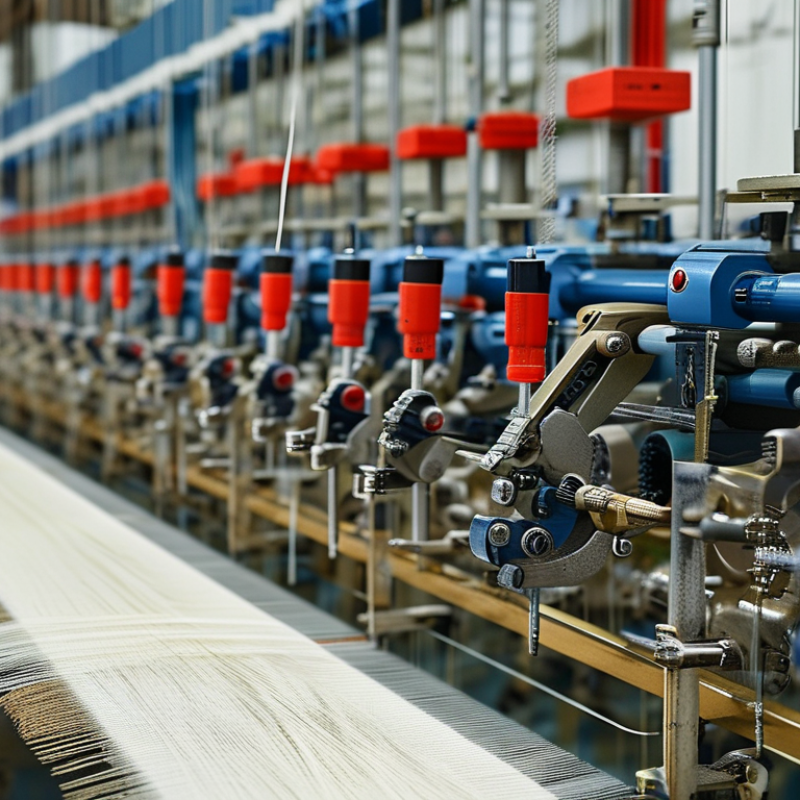
Overview of Fabric Testing and Quality Assurance
Fabric testing is essential for ensuring the quality and performance of textiles. Accurate testing helps manufacturers meet standards. This process involves various instruments designed to evaluate different properties of fabrics. These properties include tensile strength, tear resistance, and color fastness. Each test plays a crucial role in determining a fabric's suitability for its intended use.
One common method of testing is the Martindale abrasion test. It mimics friction to assess wear over time. Results can be surprising; some fabrics appear sturdy yet fail under stress. Another example is the shrinking test, which evaluates how much a fabric can shrink after washing. These tests are critical to avoid costly returns and potential damage to a brand’s reputation. Understanding these instruments can lead to more informed fabric choices.
However, not all testing procedures guarantee perfect results. Variability in fabric production can lead to unexpected outcomes. Relying solely on lab results isn't always enough. Real-world conditions can differ greatly from controlled environments. Companies must reflect on their testing processes and continuously improve them. This commitment to quality assurance fosters consumer trust and supports long-term success in the textile industry.
Types of Fabric Testing Instruments Used in Industry
In the textile industry, fabric testing is crucial for ensuring quality. Various instruments are utilized for different testing purposes. Strength testing machines evaluate the tensile strength of fabrics. They help manufacturers understand the durability of their products. The data reveals that fabrics with proper tensile strength withstand stresses better, leading to higher customer satisfaction.
Color fastness testers are another important category. These devices measure how well a fabric retains its color after washing or exposure to light. Reports indicate that color fastness affects consumer purchasing decisions. Fabrics that fade quickly are often returned, impacting sales and reputation. This emphasizes the importance of reliable testing equipment in production processes.
Moreover, moisture management testers assess how fabrics handle moisture. This is vital for activewear and outdoor textiles. Fabrics that efficiently wick away moisture improve comfort. Data shows that around 65% of consumers prefer moisture-wicking materials, showcasing the link between testing and market demand. However, these instruments can sometimes yield inconsistent results due to environmental conditions during testing, necessitating ongoing refinement in testing methods.
Top 10 Fabric Testing Instruments for Quality Assurance
| Instrument Name | Measurement Type | Purpose | Industry Application |
| Fabric Strength Tester | Tensile Strength | Determines the resistance of fabric to being pulled apart | Textiles, Apparel |
| Color Fastness Tester | Color Fastness | Assesses color retention under various conditions | Apparel, Home Textiles |
| Air Permeability Tester | Air Permeability | Measures the amount of air that can flow through a fabric | Outdoor Fabrics, Sportswear |
| Water Repellency Tester | Water Resistance | Evaluates the fabric's ability to repel water | Rainwear, Outdoor Gear |
| Pilling Tester | Pilling Resistance | Tests fabric's resistance to surface fibers forming pills | Apparel, Upholstery |
| Thermal Comfort Tester | Thermal Resistance | Measures how well a fabric can insulate body heat | Activewear, Outdoor Clothing |
| Thickness Gauge | Fabric Thickness | Determines the thickness of the fabric | All Textiles |
| Flexural Rigidity Tester | Flexural Rigidity | Evaluates fabric's stiffness | Apparel, Technical Fabrics |
| Flammability Tester | Flame Resistance | Tests how fabric behaves when exposed to flame | Home Textiles, Protective Clothing |
| Dimensional Stability Tester | Shrinkage | Measures changes in fabric dimensions after laundering | Apparel, Home Textiles |
Key Features to Look for in Fabric Testing Devices
When evaluating fabric testing instruments for quality assurance, certain key features are vital. Reliable testing equipment ensures adherence to industry standards, such as ASTM and ISO. According to a report from the Textile Institute, 75% of fabric defects arise from inadequate testing. Quality machines help mitigate these risks.
Look for devices that offer versatility. Instruments should test different attributes, such as tensile strength, colorfastness, and fabric weight. A multi-functional machine decreases the need for multiple pieces of equipment, saving both space and costs. Consider units with automated features for efficiency and accuracy. Automation minimizes human error, which can significantly impact test consistency.
Tips: Always verify the calibration of your devices. Regular checks ensure precision in results. Staff training is equally crucial. Trained personnel can interpret results better and identify potential issues early. Lastly, keep an eye on software updates for testing devices. Outdated software may lead to inaccurate results and hinder compliance with evolving standards. Quality assurance isn't just about tools; it also depends on the human factor.
Top 10 Fabric Testing Instruments and Their Applications
When it comes to fabric testing, a variety of instruments play a crucial role in quality assurance. These tools analyze fabric properties such as strength, durability, and color fastness. Each instrument has unique applications that cater to different testing needs.
For instance, tensile testers evaluate the strength of a fabric by measuring the force needed to break it. Color fastness testers ensure that dyes remain intact under various conditions. Another vital tool is the washing fastness tester, which examines how fabrics hold up after multiple washes. These evaluations are essential for manufacturers aiming to produce high-quality textiles.
Tips: Always calibrate instruments before use. This will ensure accurate results. Regular maintenance of testing equipment is also crucial in preventing inaccuracies. Lastly, document all testing procedures thoroughly. This practice helps in assessing trends and making informed decisions on fabric quality.
Top 10 Fabric Testing Instruments and Their Applications
This chart illustrates the usage frequency of the top 10 fabric testing instruments used in quality assurance, measured by the number of times they are utilized each month. The instruments play a critical role in ensuring fabric quality and performance in various applications.
Future Trends in Fabric Testing Technology and Quality Standards
As the fabric testing landscape evolves, advancements in technology play a crucial role in ensuring quality standards. Recent reports indicate that the fabric testing market is projected to grow at a CAGR of 5.4% through 2028. This rise is attributed to increased demand for high-quality textiles across various industries, including apparel and automotive. The pressure to meet stringent quality requirements is driving innovation in testing instruments.
Emerging technologies like artificial intelligence and machine learning are transforming fabric testing methodologies. These tools enable faster data analysis and improved accuracy in assessing material properties. For instance, automated testing will likely reduce human error. However, integrating these technologies raises concerns about skill gaps within the workforce. Companies must invest in training to ensure appropriate usage of advanced testing instruments.
Sustainability is another critical aspect shaping future trends in fabric testing. According to industry research, approximately 40% of textile waste is generated during fabrication. New standards are being developed to minimize waste and enhance eco-friendly practices. However, the implementation of such standards poses challenges. Many companies grapple with balancing cost and quality while adapting to rigorous sustainability measures. The road ahead will require collaboration and commitment to navigating these complexities.
