Top Fabric Weaving Machine Options for Global Buyers?
The global fabric weaving machine market is evolving rapidly. According to a report by Technavio, the market is expected to grow by 3.4% annually through 2025. This growth reflects the demand for advanced technology in textile production. Industry expert Dr. Emily Carter emphasizes, "Innovation in fabric weaving machines is crucial for meeting consumer demands and ensuring efficiency."
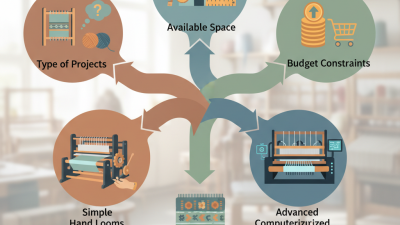
As buyers across various regions consider their options, they must navigate a complex landscape of features and specifications. Several companies offer innovative solutions that enhance productivity and reduce waste. Factors like machine versatility, ease of use, and maintenance requirements are essential. Yet, not every machine suits every operation. Buyers need to assess their unique needs carefully.
Challenges also exist in the integration of new machines with existing systems. Understanding these dynamics is vital for buyers. They must balance investment costs against potential returns. Choosing the right fabric weaving machine can significantly impact production quality and efficiency. Hence, informed decisions are paramount for staying competitive in the market.
Overview of Fabric Weaving Machines and Their Importance
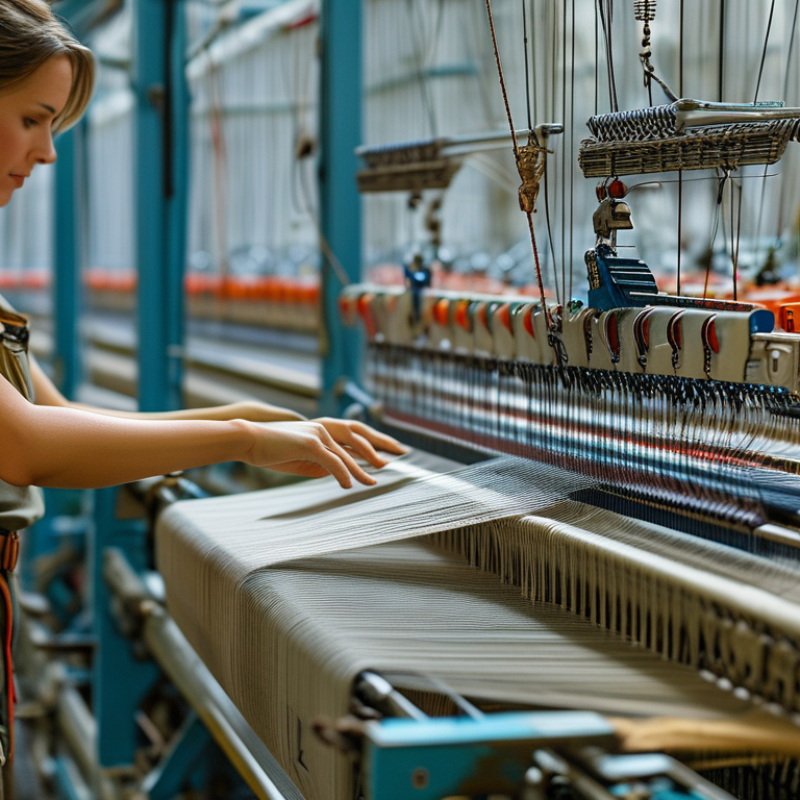
Fabric weaving machines play a crucial role in the textile industry, driving efficiency and innovation. According to a recent report by Technavio, the global weaving machine market is projected to grow at a compound annual growth rate (CAGR) of 5.6% from 2023 to 2030. This growth reflects rising demand for varied fabrics across fashion, automotive, and upholstery sectors. As industries evolve, the role of these machines becomes more significant in meeting production volumes.
Weaving machines come in various types, including rapier, air-jet, and water-jet machines. Each type offers unique advantages suited to different fabric requirements. For example, air-jet machines are known for high-speed production capabilities, while rapier machines offer versatility in yarn types. Nevertheless, selecting the right weaving machine often poses challenges, as factors such as production costs, fabric quality, and operational complexity need careful consideration.
Moreover, environmental concerns are driving new innovations that aim to reduce waste and energy consumption. The industry must balance efficiency and sustainability. As buyers globally seek advanced solutions, understanding machine capabilities and limitations becomes essential. This knowledge empowers manufacturers to make informed decisions that align with both market demands and sustainability goals.
Key Features to Consider When Choosing Weaving Machines
When selecting a fabric weaving machine, buyers should assess key features that impact the machine's performance and adaptability. The global textile machinery market reached approximately $20 billion in 2022, highlighting the importance of choosing the right equipment to remain competitive. Key aspects such as machine speed, production capacity, and ease of maintenance can differentiate one model from another.
Efficiency is crucial. Look for machines that offer high-speed weaving capabilities. Advanced models can weave at speeds over 1,000 picks per minute, significantly increasing productivity. Also, consider the machine’s adaptability to different fabric types. Modern machines often accommodate a variety of fibers, from cotton to synthetic materials, enabling versatile production lines.
**Tip:** Regular maintenance is essential for optimal performance. Implement a routine check to keep your machine in top shape.
Another aspect to consider is user-friendliness. Intuitive interfaces can reduce training time for operators, leading to quicker production ramp-ups. Additionally, assess the machine’s energy efficiency. Industry reports suggest that energy-efficient machines can reduce operational costs by up to 15%, directly impacting profitability.
**Tip:** Always gather feedback from current users about specific machine models to make informed decisions based on real-world experiences.
Top Manufacturers of Fabric Weaving Machines Worldwide
Choosing the right fabric weaving machine is crucial for global buyers. Various manufacturers offer machines that cater to different weaving needs. These manufacturers focus on technology, efficiency, and durability. Buyers should consider factors like machine speed, ease of use, and maintenance requirements.
Tips: Assess the production volume necessary for your business. Machines vary widely in output capacity. Inspect available support services from manufacturers. Reliable after-sales support can enhance operational efficiency.
Global leaders in fabric weaving often showcase cutting-edge technologies. Their machines feature automation and advanced controls. Despite these advancements, some machines may have a steep learning curve. Training is essential for effective operation. Researching user reviews can also provide insights into machine performance.
Tips: Share experiences with other users in industry forums. Practical insights can guide better purchasing decisions. Ensure that the machine’s setup accommodates your current facility layout. Planning for space can prevent future challenges.
Top Fabric Weaving Machine Options for Global Buyers
This chart represents the production capacities of the top fabric weaving machines in various regions worldwide. The data reflects the efficiency and technological advancements in weaving machines over recent years.
Comparative Analysis of Weaving Machine Types and Technologies
When evaluating weaving machines, it's crucial to understand the various types and technologies available. The market is dominated by shuttle, air-jet, and rapier weaving machines. Each type has unique advantages. According to a report by Mordor Intelligence, the global weaving machine market is projected to reach USD 6.5 billion by 2026, driven by increasing textile demand.
Shuttle weaving machines are known for producing complex patterns. They are slower but offer durability. In contrast, air-jet machines maximize speed and efficiency. They can handle thicker yarns easily. However, maintenance can be an issue. Finally, rapier machines provide versatility for both fine and coarse fabrics but might require skilled operators.
Data from Technavio suggests that air-jet machines will grow significantly, expected to capture over 35% of the market share by 2025. It raises questions about sustainability and cost-effectiveness in production. As technology advances, buyers need to evaluate long-term benefits versus initial investments. Balancing quality, speed, and innovation remains a pressing challenge for manufacturers looking to stay competitive in the global marketplace.
Top Fabric Weaving Machine Options for Global Buyers
| Machine Type |
Technology |
Max Width (cm) |
Speed (m/min) |
Power (kW) |
Price Range (USD) |
| Rapier Loom |
Mechanical |
340 |
150 |
5.5 |
20,000 - 35,000 |
| Air Jet Loom |
Pneumatic |
300 |
200 |
7.5 |
25,000 - 40,000 |
| Shuttle Loom |
Mechanical |
280 |
90 |
4.0 |
10,000 - 20,000 |
| Jacquard Loom |
Electronic |
400 |
80 |
6.0 |
30,000 - 50,000 |
| Dobby Loom |
Mechanical/Electronic |
320 |
110 |
5.0 |
15,000 - 30,000 |
Market Trends and Future Innovations in Fabric Weaving Machinery
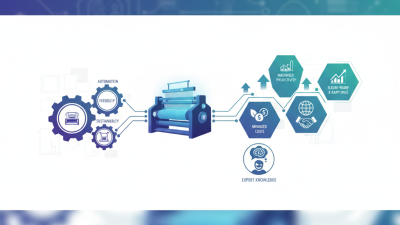
The fabric weaving machinery market shows dynamic trends. Modern machines are increasingly incorporating automation and digital technologies. This enhances production efficiency and product quality. Many manufacturers explore the use of artificial intelligence for predictive maintenance. Such advancements promise to reduce downtime in operations. Companies feel the pressure to remain competitive in a growing industry.
Sustainability is also a key concern. The demand for eco-friendly materials drives innovation in fabric production. Traditional methods consume a lot of water and energy. Innovative solutions in weaving reduce waste and improve sustainability. However, not all technologies are widely adopted yet. Some manufacturers hesitate due to high initial costs.
Smart weaving machines are being developed. These machines can adjust to different types of fabrics with ease. This adaptability caters to diverse consumer preferences. Yet, learning curves exist for operators. Training staff is essential for successful implementation. The industry must address this gap to fully harness the potential of new technologies.