Top 10 Loom Machines in China for Global Buyers?
Loom machines play a vital role in the textile industry. They are essential for weaving fabric and creating diverse products. In China, several manufacturers produce high-quality loom machines. This article explores the top 10 loom machines available for global buyers.
The selection of a loom machine can greatly impact production efficiency and fabric quality. Chinese manufacturers have gained a reputation for innovative technology and competitive pricing. This is crucial for buyers looking for reliable options. However, navigating this market can be overwhelming. Many brands offer similar features, making it tough to choose.
Buyers should reflect on their specific needs before making a decision. Some machines are designed for large-scale production, while others cater to smaller operations. Understanding these nuances can help buyers make informed choices. Quality, service, and support are also key factors in determining the right loom machine.
Overview of Loom Machines and Their Importance in Textile Industry
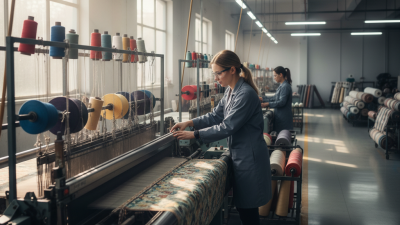
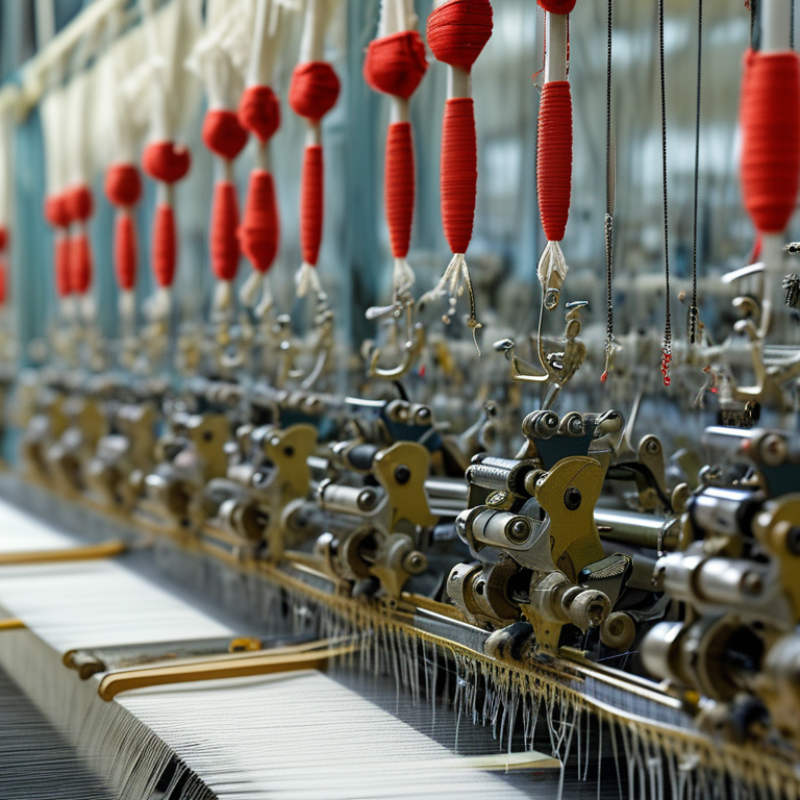
Loom machines are essential in the textile industry, facilitating the weaving process of various fabrics. According to a recent industry report, the global textile machinery market is projected to reach USD 28 billion by 2024, reflecting a growing demand for efficient and advanced weaving technologies. These machines enhance productivity and reduce the time required for fabric production.
In China, loom machines are at the forefront of this transformation. The country's textile sector is anticipated to contribute approximately 15% to the global textile market by 2025. With innovations in technology, modern looms can operate faster and produce more intricate designs. However, the reliance on these machines has raised concerns about the skill gap in the workforce. As looms take on more responsibilities, fewer skilled artisans are trained in traditional weaving techniques.
Data from a recent analysis indicates that only 30% of textile workers are adept with modern loom technologies, presenting a challenge for manufacturers. While automation improves speed, it also leads to a loss of craftsmanship. This imbalance calls for a careful approach to integrating new machinery with traditional practices. The industry's evolution relies on both advanced technology and the preservation of essential skills.
Criteria for Selecting Top Loom Machines for Global Buyers
When selecting loom machines for global buyers, several key criteria emerge. Efficiency is crucial. A machine should produce high-quality textiles while minimizing downtime. Look for machines with advanced technology that boost productivity. Speed is also vital; faster weaving leads to greater output. However, speed shouldn't compromise quality.
Sustainability is becoming increasingly important. Many buyers are seeking eco-friendly machines that reduce waste and energy consumption. The ability to customize is another factor. Different markets have various requirements, and flexibility in design can significantly enhance a machine's appeal. Customers want options that fit diverse fabric needs.
Don't overlook reliability. A machine's durability impacts operational costs. Poorly made machines may require frequent repairs, leading to unexpected expenses. Additionally, consider after-sales support. Reliable supplier support is essential. Machines will encounter issues, and having help readily available can make a difference. Balancing all these criteria can be challenging, but thorough research will pay off.
Top 10 Loom Machines in China for Global Buyers
List of the Leading Loom Machine Manufacturers in China
China is a global leader in loom machine manufacturing, with significant advancements in technology. According to recent industry reports, around 40% of the world's textile machinery is produced in China. This statistic highlights the country’s importance as a supplier to global buyers, particularly in the textile sector. The diversity of loom machines available caters to different textile needs, from traditional weaving to advanced automated systems.
Leading manufacturers in China focus on innovation and quality. They prioritize not just production volume but also the efficiency of their machines. Many firms have adopted Industry 4.0 principles, integrating IoT capabilities in loom technology. This integration allows for enhanced data collection, resulting in more efficient production processes. However, some manufacturers still face challenges related to quality control and consistency. These issues raise concerns about reliability among potential buyers.
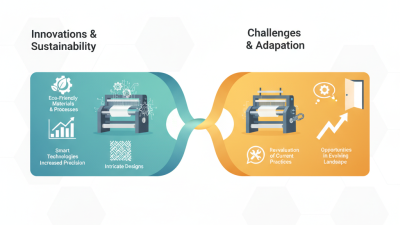
It’s essential to consider the evolving market needs. The shift towards sustainable practices presents both opportunities and challenges for loom manufacturers. Some have not yet adapted their machines to accommodate eco-friendly materials. Ongoing research and development in this sector are crucial. As the demand for high-quality, sustainable products rises, manufacturers must respond effectively to remain competitive.
Innovative Features of Chinese Loom Machines
Chinese loom machines are known for their innovative features that cater to the needs of global buyers. These machines often include automated mechanisms that enhance production efficiency. Many models feature advanced control systems, enabling precise adjustments in weaving patterns. This level of detail can significantly reduce material waste and improve overall fabric quality.
Flexibility is another key attribute of these loom machines. They can accommodate a range of textile types. Users can switch from light fabrics to heavier materials with ease. However, not all models manage this transition smoothly. For manufacturers, the performance can vary, which is an essential factor to consider when investing. Furthermore, energy efficiency is frequently highlighted as a selling point. The machines often operate optimally, but they still consume significant energy in some conditions.
Moreover, Chinese loom machines often stress user-friendly interfaces. Many come with touchscreen controls for easy operation. However, some operators may find the learning curve steep, especially for beginners. This raises questions about how effectively manufacturers can support new users. Despite these challenges, the market continues to grow, driven by innovation and demand for high-quality textiles.
Top 10 Loom Machines in China for Global Buyers
| Model |
Type |
Production Speed (m/min) |
Max Weaving Width (cm) |
Innovative Features |
Price Range (USD) |
| Model A |
Jacquard Loom |
150 |
340 |
Smart Control System |
$25,000 - $30,000 |
| Model B |
Air Jet Loom |
220 |
320 |
Energy Efficiency |
$20,000 - $25,000 |
| Model C |
Rapier Loom |
180 |
360 |
Automatic Tension Control |
$30,000 - $35,000 |
| Model D |
Shuttle Loom |
120 |
400 |
High Durability |
$10,000 - $15,000 |
| Model E |
Label Loom |
160 |
280 |
Programmable Patterns |
$15,000 - $20,000 |
| Model F |
Knitting Loom |
200 |
310 |
Multi-Functionality |
$22,000 - $28,000 |
| Model G |
Textile Loom |
140 |
350 |
User-Friendly Interface |
$18,000 - $23,000 |
| Model H |
Circular Loom |
130 |
420 |
Compact Design |
$12,000 - $18,000 |
| Model I |
Warping Loom |
110 |
390 |
Speed Adjustment Features |
$8,000 - $12,000 |
| Model J |
Denim Loom |
170 |
330 |
Specialized for Heavy Fabrics |
$18,000 - $24,000 |
Export Trends and Market Opportunities for Loom Machines in China
The global loom machine market is currently witnessing significant growth. According to a report by Market Research Future, the textile machinery market, including loom machines, is projected to reach USD 8.7 billion by 2026. China, as a leading manufacturer, plays a crucial role in this sector.
As global buyers seek advanced techniques, China’s export trends show a shift towards higher technology. The demand for automated loom machines is rising, driven by efficiency and reduced labor costs. Data reveals that automated looms can increase production speed by up to 30%. This shift reflects a growing interest in sophisticated machinery over traditional options.
Market opportunities are plentiful in China. However, challenges exist. Import tariffs and trade regulations can affect competitiveness. Additionally, quality consistency is essential. Buyers often report variability in manufacturing standards. This creates a need for thorough evaluation before purchasing. Establishing strong partnerships with manufacturers can mitigate these risks. Investing in quality assessments and certifications ensures reliability in these transactions.