2026 Top Trends in Cross Lapped Spunlace Nonwoven Fabric?
The textile industry is experiencing a remarkable transformation, with Cross-Lapped Spunlace Nonwoven fabric at the forefront of this change. This innovative material has gained considerable attention due to its unique properties and versatility. As we move toward 2026, understanding the top trends in this sector is essential for manufacturers and consumers alike.
Cross-Lapped Spunlace Nonwoven fabrics are known for their softness, strength, and absorbency. They cater to various applications, ranging from hygiene products to industrial uses. Innovations in production processes are driving efficiency and sustainability, making these fabrics increasingly popular. However, challenges persist in scaling up these advancements.
The upcoming years will reveal exciting developments, highlighting the need for reliable research and expertise in this area. As trends evolve, the industry must adapt and reconsider traditional practices. The journey of Cross-Lapped Spunlace Nonwoven fabric is not only about innovation but also about addressing potential pitfalls in production and adoption. Only through a thoughtful approach can we unlock its full potential.
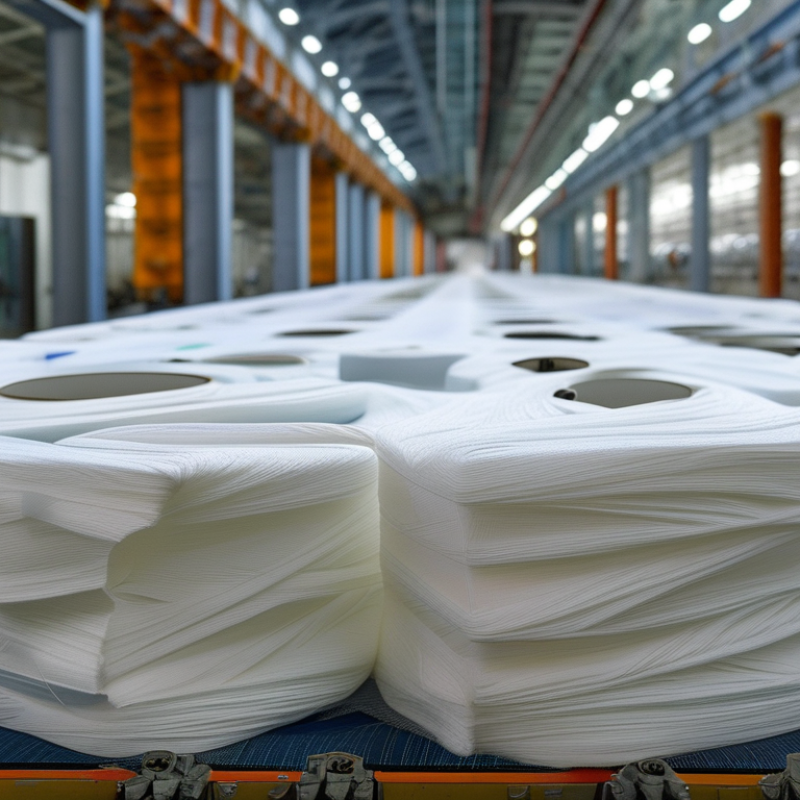
Emerging Technologies in Cross Lapped Spunlace Nonwoven Fabric Production
The production of cross lapped spunlace nonwoven fabric is evolving rapidly. New technologies are being developed to enhance efficiency and precision. One significant advancement is in fiber imaging technology. It allows manufacturers to analyze fiber characteristics in real-time. This leads to better quality control and improved final products.
Additionally, automation is becoming a key player in nonwoven production. Automated systems streamline processes, from web formation to bonding. They reduce human error and increase production speed. However, there is a challenge: the initial investment costs can be high. Smaller manufacturers may struggle to adopt these advanced systems.
Sustainability also drives innovation. Biodegradable fibers are gaining attention. These options address environmental concerns while maintaining performance. Still, the transition to sustainable materials can be complex. It requires careful consideration of performance versus eco-friendliness. The industry must balance these factors for future success.
Sustainability Trends in the Nonwoven Fabric Industry for 2026
Sustainability is increasingly vital in the nonwoven fabric industry for 2026. As environmental concerns grow, companies must adopt eco-friendly practices. This includes using biodegradable materials and reducing waste throughout production. Cross lapped spunlace nonwoven fabrics can play a significant role in this shift. The technology allows for minimal resource usage while maintaining fabric quality.
Innovative fibers, like those derived from recycled plastics, are gaining traction. Manufacturers are exploring ways to enhance their process efficiency. Investing in renewable energy sources for production is another way to cut carbon footprints. Companies often struggle to balance costs while embracing sustainable practices. However, the long-term benefits often outweigh the initial investment.
There are challenges ahead. Not every manufacturer is ready to make the leap. Some lack the resources for significant changes. Research and development in sustainable materials can be costly but necessary. Engaging in collaborations may help share knowledge and resources. Thus, a collective effort is essential in making these practices mainstream. It's crucial to keep questioning our approaches and adapt continuously to ensure the future of nonwoven fabrics is both innovative and environmentally responsible.
2026 Top Trends in Cross Lapped Spunlace Nonwoven Fabric
| Trend | Description | Sustainability Impact | Market Growth Rate |
| Biodegradable Materials | Increasing use of bio-based materials that decompose naturally. | Reduces landfill waste and environmental impact. | 15% per year |
| Recycling Initiatives | Growing investment in recycling programs for nonwoven fabrics. | Promotes circular economy and resource efficiency. | 20% per year |
| Waterless Processing | Adoption of technologies that minimize or eliminate water use in production. | Conserves water and reduces pollution. | 10% per year |
| Energy Efficiency | Investments in energy-saving equipment and processes. | Lowers carbon footprint and operational costs. | 12% per year |
| Sustainable Supply Chain | Focus on ethical sourcing and sustainability across the supply chain. | Enhances transparency and reduces environmental risks. | 18% per year |
Applications of Cross Lapped Spunlace Nonwoven Fabrics in Various Industries
Cross lapped spunlace nonwoven fabrics are gaining traction across various industries. Their unique structure makes them suitable for diverse applications. In medical settings, these fabrics are used in surgical gowns and drapes. They provide a barrier against fluids while remaining breathable. The softness of spunlace also offers comfort for patients.
In the hygiene sector, these fabrics are crucial for personal care products. They are found in wipes, diapers, and feminine hygiene items. Their high absorbency and strength ensure reliability. However, the environmental impact of single-use products often raises concerns. This calls for a need to innovate in recycling processes.
The automotive industry is also adopting cross lapped spunlace materials. They are used in insulation and sound absorption. This usage helps in making vehicles quieter and more energy-efficient. Yet, as industries evolve, they face challenges in sourcing sustainable raw materials. Continuous research and development are vital to address these issues effectively.
Market Analysis and Growth Projections for Nonwoven Fabrics in 2026
The nonwoven fabric industry is undergoing significant changes, especially in the realm of cross-lapped spunlace technology. Market analysis predicts that by 2026, the demand for these fabrics will soar. Factors like sustainability and versatility drive this growth. Manufacturers are increasingly focused on creating eco-friendly solutions. This shift aligns with global trends toward greener products.
Investments in research and development are evident. Companies are exploring new applications for spunlace fabrics in hygiene, medical, and geotextiles. The market witnesses innovations that prioritize softness and durability. However, challenges such as fluctuating raw material prices and competition from alternative materials remain. A deeper understanding of consumer needs will be essential for success.
The projected growth raises questions about resource management. Sustainable practices must balance production with environmental impact. Transparency in sourcing is vital for building consumer trust. As the market evolves, stakeholders must reflect on their practices and adapt to remain relevant. Attention to these dynamics will shape the future landscape of nonwoven fabrics.
Innovations in Design and Functionality of Nonwoven Fabrics for Future Use
The future of cross-lapped spunlace nonwoven fabrics looks promising, driven by innovative design and functionality. These materials are becoming essential in various sectors, including healthcare and hygiene products. As manufacturers push the envelope, we see more sustainable options emerge. Natural fibers and biodegradable components are gaining traction. Consumers demand eco-friendly choices, and the industry responds.
Incorporating advanced technology in production enhances the performance of these fabrics. This includes improved strength and absorbency. Designers are experimenting with textures and patterns, creating fabrics that not only serve functional purposes but also appeal aesthetically. The rising demand for multifunctional nonwoven fabrics opens new doors for creativity.
Consider these insights when venturing into this space. Explore the unique characteristics of materials before making a choice. Pay attention to the sustainability aspect, as it adds value. Collaborate with experts in the field to stay ahead of trends. The potential for growth is immense, but careful consideration is crucial. Embrace innovation while being mindful of its impact on the environment.
2026 Top Trends in Cross Lapped Spunlace Nonwoven Fabric
