Weavetech

What Are the Top Types of Coffee Pouches?

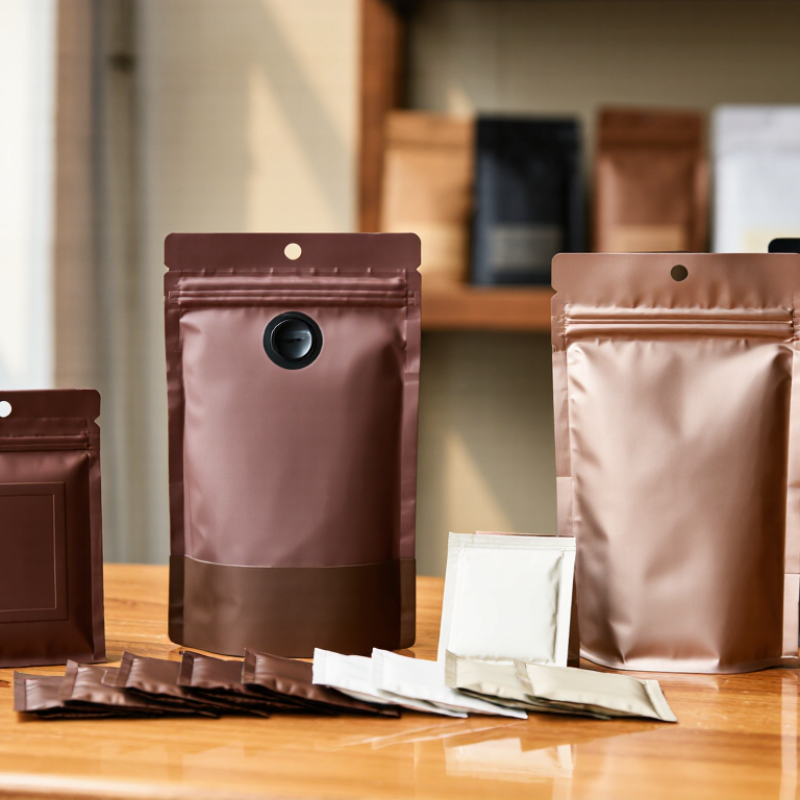
A Coffee Pouch is more than a wrapper around roasted beans. Its shape, closure, and barrier materials can affect shelf presentation, storage, and everyday handling. The most common formats include stand-up pouches, flat-bottom bags, side-gusset bags, quad-seal designs, and small single-serve sachets. Each serves a different purpose. Some sit neatly on a shop shelf; others pack efficiently into cartons or travel bags.

Small details matter. A stand-up pouch usually has a broad base, while a flat-bottom design can offer a stable, box-like profile. Side gussets expand to hold more coffee, and quad-seal bags use sealed corners for a structured shape. Many coffee packages also include a one-way valve, which allows gases from freshly roasted beans to escape while limiting outside air. Resealable zippers can help after opening, though they do not replace proper storage. Convenience matters.

The best choice depends on the coffee, the quantity, and how customers will use or store it. A café selling whole beans may value a sturdy, resealable bag. A hotel offering individual portions may prefer compact sachets. Appearance matters too, but a polished package cannot make up for weak seals or unsuitable materials. Not every pouch fits. Comparing formats can be less straightforward than it seems, since product names and features sometimes overlap. A closer look at their construction helps explain which Coffee Pouch types are practical for different needs.
What Are the Top Types of Coffee Pouches?

How Coffee Pouches Are Defined and Used

Coffee pouches describe more than one format. Some are porous, pre-filled sachets designed to brew one cup, much like tea bags. Others are sealed outer packs that hold ground or whole-bean coffee. The wording can be confusing, so check whether the pouch touches the water or simply stores the coffee.

A brew sachet usually contains ground coffee inside a filter-like material. Place it in a mug, add hot water, and let it steep for the time stated on the package. Lift it out slowly; a few drops may still escape. The result can be convenient at a desk, campsite, or hotel room when no coffee maker is available. Cup strength varies with grind size, water temperature, and steeping time. It is not always as predictable as a measured pour-over.

Storage pouches serve a different purpose. Their sealed layers help limit exposure to air, moisture, and light, which can dull aroma over time. Keep the pack dry. After opening, press excess air out if the closure allows, then seal it firmly. Whole beans generally retain their aroma better than ground coffee, though freshness also depends on roasting and storage. A pouch cannot make old coffee taste fresh again—that part is easy to overlook.

Drip Coffee Pouches for Cup-by-Cup Brewing

Among coffee pouch formats, drip pouches are designed for brewing one cup at a time. Each pouch holds ground coffee inside a paper filter, with tabs that rest on a mug’s rim. The setup is simple, but the cup still depends on how you pour.

Open the pouch carefully and secure its supports over a clean, sturdy cup. Add hot water in slow pours, letting it drain through the grounds before adding more. A steady stream helps wet the coffee evenly; flooding the pouch can push grounds toward the edges or cause a spill. Small details matter. A narrow mug may support the tabs better than a wide one, so check the fit before pouring.

The finished cup is easy to adjust. Use less water for a stronger taste, or pour a little more for a lighter one, while following the pouch’s directions when available. Wait until most water has drained before removing the filter. That takes practice. A pouch is convenient, but it cannot rescue coffee that tastes stale, and pouring too quickly may leave the cup thin. The first try may be uneven; noticing where water pools can help improve the next cup.

Steep-and-Release Pouches for Immersion Brewing

Steep-and-release coffee pouches work like a small, contained immersion brew. Ground coffee sits inside a porous filter as hot water moves through the pouch and around the grounds. Unlike a drip sachet, the pouch stays submerged, allowing the coffee to steep for several minutes. The taste depends on grind size, coffee dose, water temperature, and steep time. A sturdy mug helps; a narrow cup can make removal awkward. Simple, but not foolproof.

For a balanced cup, pour freshly heated water over the pouch and steep for about three to five minutes, following the instructions when available. A shorter steep may taste light, while a longer one can bring more bitterness or heaviness. Lift the pouch slowly and let it drain over the cup. Avoid squeezing it hard, since this may push fine particles into the drink. Stir gently, then taste before adding anything. Timing matters. These pouches suit travel, desks, and small kitchens because they need no brewer or separate filter. Still, they create used packaging, and some cups taste flatter than freshly ground coffee. That trade-off deserves a little thought.

What Are the Top Types of Coffee Pouches?

Steep-and-Release Pouches for Immersion Brewing

Typical immersion time (minutes). Steep-and-release pouches commonly brew for about 3–5 minutes, similar to other hot immersion methods. Actual timing varies with the coffee, grind, and brewing instructions.

Instant Coffee Sachets for Quick Preparation

What Are the Top Types of Coffee Pouches?

Instant Coffee Sachets for Quick Preparation

Instant coffee sachets make a cup with little equipment and almost no cleanup. Tear one open, pour the powder into a mug, and add hot water. Stir until the granules dissolve. Convenient, yes. They suit travel, office drawers, and mornings when a coffee maker feels like too much work.

Sachets may contain plain instant coffee or a premixed blend with ingredients such as sugar or creamer. Check the label if you prefer to control sweetness or add milk yourself. Water temperature and the amount you use can change the taste. Very hot water works, but boiling water may make some cups taste harsher. Follow the packet directions, then adjust to your preference.

The small portions help keep serving sizes consistent, though one sachet may not suit every mug. A large cup can taste weak. Use less water, or add another portion if the instructions allow. Keep unopened sachets dry and away from heat; damp storage can affect the powder. There is a trade-off: quick preparation is useful, but flavor and texture may differ from freshly brewed coffee. And the packaging creates waste. It is worth considering how often convenience matters more than a slower cup.

Reusable Coffee Pouches for Custom Grounds and Brewing

Reusable coffee pouches let you choose the grounds, portion size, and brewing style instead of relying on prefilled servings. A washable, food-contact-safe pouch can work in a mug, travel cup, or jar for cold brew. Check the maker’s care instructions, and look for sturdy seams and a closure that stays secure when wet. Small details matter.

Grind size changes the cup. Medium grounds often suit a short steep, while coarser grounds can be easier to strain after longer brewing. Leave room inside the pouch for water to move around the coffee; packing it tightly may slow extraction. For a first try, use a measured scoop and note the steeping time. Then adjust to taste. The process is not perfectly tidy: fine particles may escape, especially through loose mesh. Rinse the pouch promptly, wash it thoroughly, and let it dry fully before storing. A little trial and error is normal.

What Are the Top Types of Coffee Pouches? – Reusable Coffee Pouches for Custom Grounds and Brewing

Pouch Type Typical Material Best Suited For Brewing Method Reusable? Key Considerations
Reusable mesh coffee pouch Food-grade stainless-steel mesh or washable synthetic mesh Custom portions of medium or coarse grounds Steeping in a mug, pot, or carafe Usually; follow the maker’s care instructions Easy to fill and rinse. Very fine grounds may pass through some mesh, so check the weave and grind size.
Reusable cloth filter pouch Woven cotton or another washable filter fabric Pour-over and steeped coffee with a soft, rounded cup Pour-over or immersion brewing Yes, when designed to be washed and reused Cloth can retain coffee oils and aromas. Rinse promptly and dry fully between uses.
Refillable single-serve brew pouch Reusable mesh, cloth, or a purpose-made filter structure Individual servings with a chosen coffee and grind Steeping in a cup or use in a compatible brewer Often; compatibility varies by design Check the pouch dimensions and brewer instructions. Leave enough room for water to circulate around the grounds.
Cold-brew filter pouch Fine mesh or washable filter fabric Coarse grounds prepared in a jar or pitcher Immersion in cold water, followed by pouch removal Many designs are reusable A secure closure helps keep grounds contained. Follow the product’s cleaning guidance after each batch.
Disposable paper coffee pouch Brewing-grade paper filter material Convenient single servings, including travel use Steeping in hot water or pouring hot water through the pouch No; intended for one use Simple to use and discard, but it does not support repeated brewing. Check that the pouch is intended for direct contact with hot water.

Choosing a pouch: Match the pouch to your brewing method, desired serving size, and grind. For reusable options, check the material, closure, cleaning instructions, and suitability for food contact.