2026 How to Use Steel Stud for Your Construction Projects?
When it comes to modern construction projects, the use of Steel Studs has revolutionized building practices. Jason Smith, a noted expert in architectural engineering, emphasizes, "Steel Studs offer unmatched durability and flexibility in design." This statement highlights the importance of Steel Studs in today's construction landscape.
Steel Studs provide strength without the cumbersome weight of traditional materials. They are resistant to moisture, pests, and warping, making them a reliable choice for various applications. However, some builders raise concerns about their cost in comparison to wood. Although this is a valid point, the long-term benefits of Steel Studs may outweigh the initial investment.
In corporate environments and residential builds alike, adopting Steel Stud technology can lead to enhanced structural integrity. Being considerate of the materials used impacts overall sustainability and efficiency. It's crucial to weigh both advantages and challenges when deciding on the best materials for your project. Understanding these nuances can guide better construction decisions.
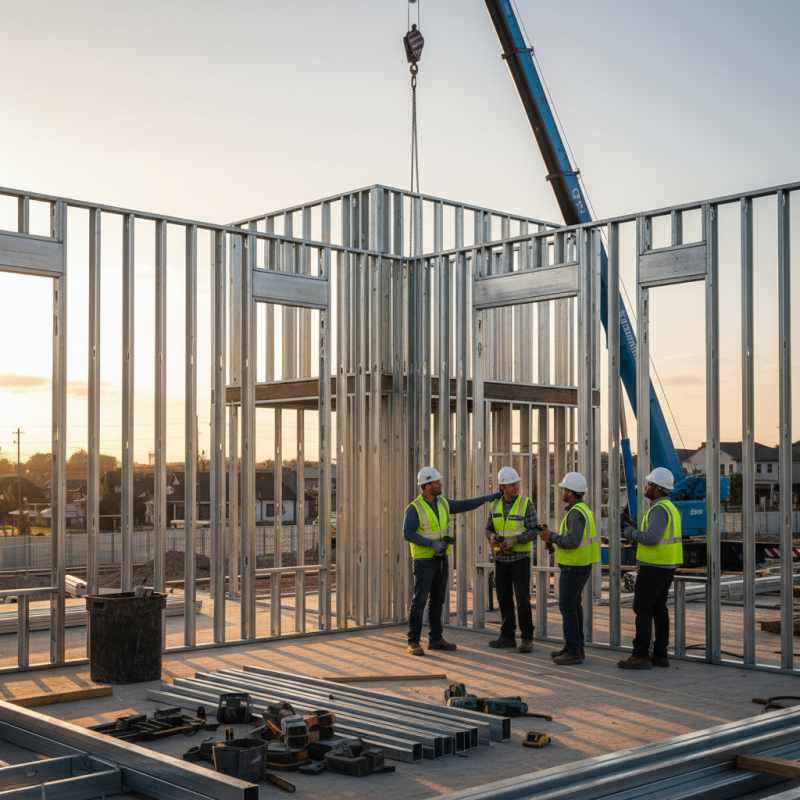
Understanding the Basics of Steel Studs in Construction
Steel studs are becoming increasingly popular in modern construction projects. Unlike traditional wood framing, steel studs offer durability and resistance to various environmental elements. According to the Steel Framing Industry Association, steel framing can reduce construction waste by up to 25%. This significant reduction aligns with sustainable building practices that are in high demand today.
Understanding the basics of steel studs is essential. They are lightweight yet strong, making them easy to transport and install. A recent report by the Cold-Formed Steel Engineers Institute indicates that steel studs can provide better fire resistance compared to wood. This property can enhance safety measures in buildings. Despite these advantages, some contractors still question their cost-effectiveness. Steel studs may have a higher initial expense, but the long-term savings in maintenance and durability often outweigh this concern.
Installation techniques play a crucial role in the performance of steel studs. Proper alignment and securing are vital to prevent structural issues. Engineers sometimes find that inadequate installation leads to bowing or misalignment in walls. Continuous education on best practices can help mitigate these issues. Stakeholders should invest time in understanding the specifics of using steel studs in their projects to reap maximum benefits.
Benefits of Using Steel Studs Over Traditional Wood Framing
Steel studs offer several advantages over traditional wood framing in construction projects. One key benefit is their resistance to warping and shrinking. Unlike wood, steel maintains its shape, providing a stable framework. This leads to fewer structural issues over time. Additionally, steel is not susceptible to pests like termites, which can significantly damage wood frames. This durability contributes to lower long-term maintenance costs.
Another aspect to consider is the ease of installation. Steel studs are lightweight and easy to handle. This often speeds up the construction process. However, some contractors may require additional training to work with steel. It's also important to ensure proper insulation. While steel provides robust support, it conducts heat and cold more effectively than wood. Consequently, adequate insulation is crucial for energy efficiency.
Sustainability is another notable factor. Steel can be recycled endlessly without losing quality. This makes it an environmentally friendly option. Nonetheless, the production of steel involves energy-intensive processes. It’s essential to weigh the benefits against the environmental impact. While steel studs can offer long-lasting solutions, each project must be assessed individually for the best choice.
Step-by-Step Guide to Installing Steel Studs
Installing steel studs in a construction project can seem daunting at first, but it’s manageable with the right approach. Begin by gathering your tools: a measuring tape, level, stud finder, and screw gun. Accurate measurements are crucial, so measure your walls carefully. Mark where the studs will go, considering doorways and windows. This preparation step saves time later.
Next, cut your steel studs to size. Use tin snips for accurate cuts. Remember, sharp edges can be an issue. Wear gloves for protection. Once cut, start to install the bottom track. Secure it to the floor using screws. Use a level to ensure it’s straight. It’s easy to skip this step, but a level base is important for stability.
As you add vertical studs, space them correctly, typically 16 or 24 inches apart. Check each stud’s alignment before securing it. This part can be tricky. If not aligned properly, walls may bow. Finally, finish with the top track. Remember, each installation can present unique challenges. Reflecting on common errors, like forgetting to double-check measurements, can lead to improvements in future projects. Keep practicing, and your skills will grow.
Best Practices for Planning and Designing with Steel Studs
When planning and designing with steel studs, understanding their properties can enhance construction efficiency. Steel studs are lighter than traditional wood, reducing overall structure weight. According to the Steel Stud Manufacturers Association, these studs can save up to 40% in material costs. This efficiency can make a significant difference in large-scale projects.
It's essential to account for factors like moisture resistance and fire safety during design. Steel studs do not warp or shrink, which helps maintain structural integrity over time. However, the potential for rust should be addressed, especially in humid climates. A protective coating can mitigate this risk and ensure longevity.
Additionally, ensuring proper spacing in framing is crucial. The typical stud spacing is 16 to 24 inches, but adjustments might be needed for certain drywall or insulation requirements. Miscalculating this can lead to unnecessary material waste and increased labor costs. Rethinking these details can lead to a more robust design, ultimately saving time and resources.
Common Mistakes to Avoid When Using Steel Studs in Projects
When using steel studs in construction, common mistakes can lead to costly issues. One critical error is underestimating the importance of proper alignment. Misaligned studs can create significant problems in drywall installation. This misalignment often results from rushing the framing process. Regularly checking the alignment during installation can save both time and money.
Another mistake is neglecting to account for weight distribution. Steel studs are strong, but if not properly supported, they may bend or warp. This is especially important for ceiling applications or when using heavy materials. Always consider the load requirements before installation.
Tips: Use a level to ensure your studs are straight. Measure twice before cutting. Consider pre-drilling holes in the studs to avoid damaging them during assembly.
It's also crucial to avoid using the wrong fasteners. Improper screws or nails can compromise the integrity of the structure. Make sure to select fasteners that are specifically designed for steel studs. Education on the appropriate materials can prevent rework later on.
Reflect on your installation process regularly. Mistakes are often a result of oversight or miscommunication. Being proactive can lead to a smoother construction experience.
