What is Weave Fabric and How Does It Affect Textile Quality?
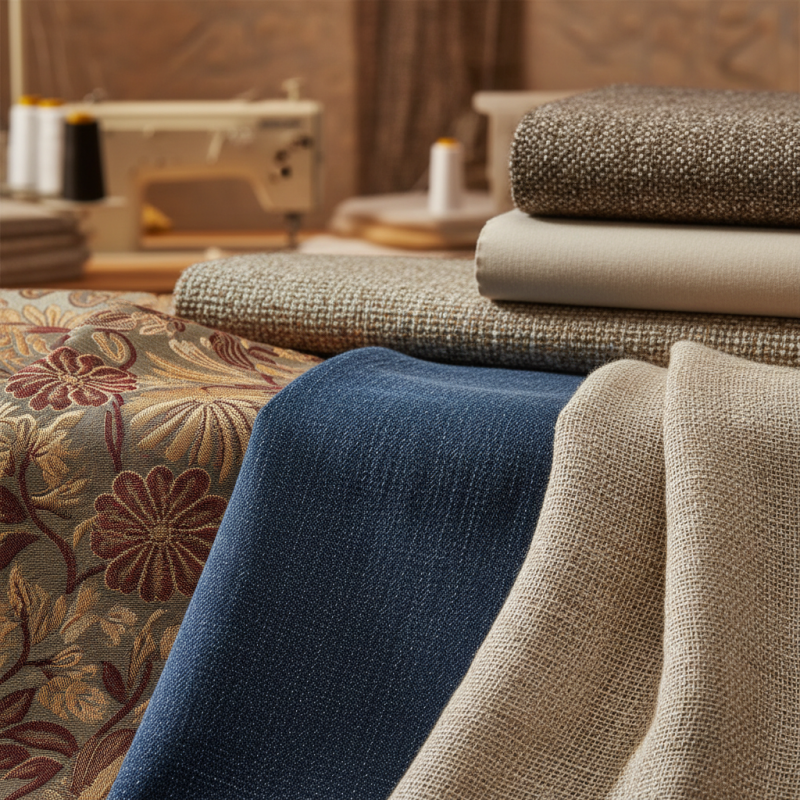
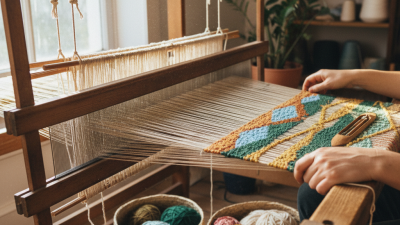
Weave fabric is a fundamental component of the textile industry. It plays a crucial role in determining the quality and durability of fabrics. Weaving involves interlacing threads, creating various patterns and textures. The type of weave used can significantly influence the final product.
Different weaving techniques result in distinct properties. For example, a tight weave can enhance strength, while a loose weave may offer breathability. Each choice impacts not only the look but also the feel of the fabric. These details matter more than we often consider.
However, not all weaves are created equal. Sometimes, the design may prioritize aesthetics over practicality. This could lead to fabrics that wear out quickly. Therefore, it is essential to reflect on the balance between style and functionality. Understanding weave fabric helps consumers make informed choices.
What is Weave Fabric?
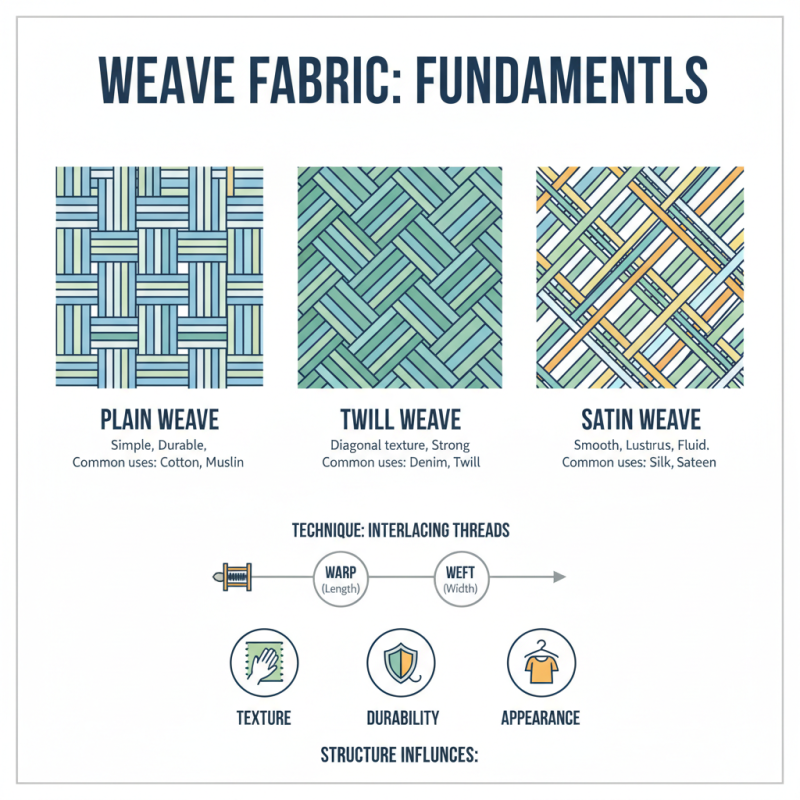
Weave fabric is a fundamental concept in the textile industry. It refers to the technique used to interlace threads. These threads can be made of various materials, like cotton or polyester. The structure of weave fabric can significantly impact its texture, durability, and appearance.
Common weaving patterns include plain, twill, and satin. Each pattern offers different characteristics. For instance, plain weaves are simple and strong, while satin weaves create a smooth finish. This diversity allows for a range of applications in clothing and upholstery. However, not all types of weaves are suitable for every purpose.
Weave fabric can feel soft or coarse, depending on the technique. This variability can affect comfort and functionality. It’s important to consider how a specific weave will perform under different conditions. As designers, we must think critically about our choices. Each fabric tells a story through its weave, making our selections crucial for quality and design.
Types of Weave Patterns and Their Characteristics
Weave patterns play a crucial role in textile quality. Each pattern contributes unique characteristics to the fabric. For example, the plain weave is simple and strong, but it may lack depth in texture. It allows for versatile use, yet can feel quite basic.
In contrast, twill weave creates a diagonal pattern, enhancing durability. This weave drapes beautifully, making it popular for apparel. However, it can be more complex to produce, sometimes leading to higher costs. The satin weave, with its smooth surface, offers elegance, yet it may be less robust. Fraying and snags are more common in such delicate fabrics.
Exploring these patterns reveals a balance between beauty and functionality. What works for one use may not be ideal for another. Understanding your needs is key. Embracing imperfections in these weaves can lead to interesting textures and styles. Textile quality is not always about perfection; it's about the story each weave tells.
Impact of Weave on Textile Durability and Quality
The weave of a fabric plays a crucial role in determining its durability and quality. Different weaving techniques impact how a textile performs over time. For instance, plain weaves tend to be more robust and resistant to wear. This makes them ideal for heavy-use items. In contrast, more complex weaves can produce beautiful textures but often compromise strength.
Consider the balance between aesthetics and functionality. A delicate satin weave may catch the eye, yet it may not hold up well in demanding environments. Owners of such textiles may find themselves needing replacements sooner than expected. The choice of weave can also influence the fabric's breathability and absorbency, two factors critical for comfort.
It's not just about looks; the weave determines the fabric's longevity. Fabrics with tighter weaves generally exhibit less fraying and fading. Still, many overlook this when shopping. Choosing the right weave can feel overwhelming, especially when faced with countless options. A little knowledge can go a long way in ensuring textiles last longer. Reflect on your needs—does the fabric serve its purpose well?
Impact of Weave on Textile Quality
This bar chart illustrates the impact of various weave types on the durability of textiles, rated on a scale from 1 to 10. Twill and Satin weaves offer high durability, while Plain weave shows moderate strength.
Role of Weave in Fabric Texture and Appearance
When discussing fabric texture and appearance, the weave of the fabric plays a crucial role. Different weaving techniques create distinct surface designs. For instance, a twill weave leads to a diagonal pattern. This texture feels soft and has depth. In contrast, a plain weave is smooth and uniform, making it ideal for certain applications.
Understanding these weaves can enhance your fabric choice. Look closely at how the texture interacts with light. A satin weave, for example, has a shiny finish that reflects beautifully. This can elevate the elegance of any garment. However, it can also show imperfections more easily. Think about how this impacts your fabric selection.
**Tips:**
1. Always test the fabric by touching it. Feel the texture before making a purchase.
2. Check for color variations in the weave. Subtle differences can alter the overall look.
3. Pay attention to how the fabric drapes. This can reveal much about its quality.
Embracing these details can lead to smarter textile choices. The complexity of weave and its influence on fabric can’t be overlooked. Sometimes, even a minor detail in the weave can change the entire aesthetic of a piece. Be open to experimenting with different textures and patterns. This exploration could lead to surprising outcomes.
Applications of Different Weave Fabrics in Fashion and Industry
Weave fabrics play a crucial role in both fashion and industry. Different weaving techniques create unique textures and properties. For instance, twill weave produces a sturdy fabric, suitable for denim. This durability is important in workwear, where longevity matters. Satin weave, on the other hand, offers a smooth finish, perfect for evening gowns.
Fashion designers often experiment with various weave patterns. The right fabric can elevate a design. A lightweight chiffon can add flow to a dress, while a heavy canvas may provide structure. Choosing the wrong weave can lead to disappointment. Sometimes, the fabric that looks good in photos does not feel right in reality.
Tips: Always consider the fabric's texture before purchasing. Samples can help you decide. Also, think about how the fabric will hold up over time. Will it fade or lose shape? Reflecting on these questions is vital. Pay attention to the care instructions, as they can affect the fabric's lifespan.
In the industrial sector, weave quality matters for functionality. A strong, tightly woven fabric is essential for protective gear. The weave must withstand wear and tear while ensuring safety. Industrial applications require rigorous testing. Choosing the wrong fabric can jeopardize safety. These considerations are often overlooked but incredibly important.
What is Weave Fabric and How Does It Affect Textile Quality?
| Weave Type |
Characteristics |
Applications |
Quality Impact |
| Plain Weave |
Simple, durable, and tight |
Shirts, bed linens |
High durability, low cost |
| Twill Weave |
Diagonal pattern, strong |
Jeans, upholstery |
Enhanced drape and strength |
| Satin Weave |
Smooth, glossy surface |
Evening gowns, linings |
Luxurious feel, lower durability |
| Herringbone Weave |
V-shaped pattern, textured |
Suiting, jackets |
High quality, sophisticated look |
| Jacquard Weave |
Complex patterns, heavy |
Curtains, upholstery |
High design value, variable durability |