Why Weave Fabric is Essential for Quality Textiles?
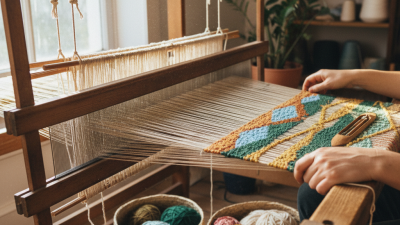
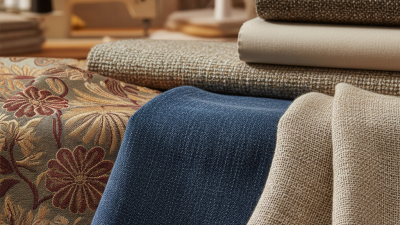
The significance of weave fabric in the textile industry cannot be overstated. It serves as the foundation for creating quality textiles. Weaving is an ancient practice, yet it remains central to modern fabric production. The texture, durability, and overall quality of textiles largely depend on the way they are woven.
Different weaving techniques impact the fabric’s properties. For instance, a tighter weave results in a sturdier textile. Meanwhile, a looser weave can yield softer and more breathable materials. Yet, not all weaves are perfect. Some may fall short, leading to inconsistencies in quality. These imperfections force manufacturers to reflect and innovate continuously.
Weave fabric also influences the aesthetic appeal of garments. Patterns and designs emerge from the weaving process, often defining a fabric's identity. However, it is crucial for brands to prioritize sustainability. Balancing creativity with environmental responsibility remains a challenge. The journey of weave fabric reveals its essential role in the quest for quality textiles.
The Importance of Weave Fabric in Textile Quality
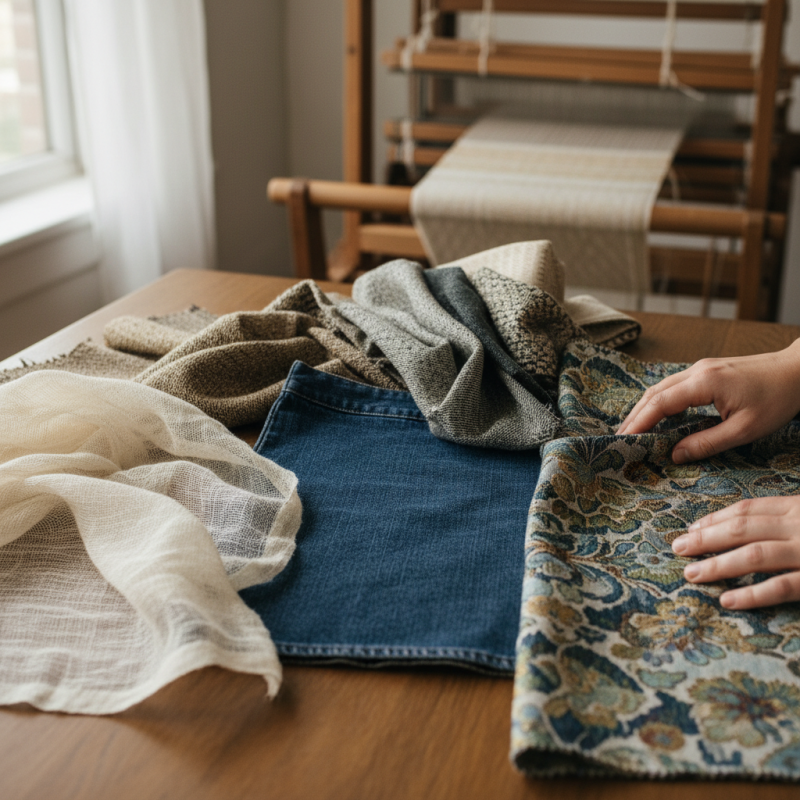
The weave fabric plays a vital role in determining the quality of textiles. The structure of the weave impacts durability, texture, and overall appearance. According to a recent industry report, fabrics with tightly woven designs exhibit greater resistance to wear and tear, extending their lifespan significantly. For instance, woven cotton can outlast its knitted counterparts by nearly 20%, making it a preferred choice for high-quality garments.
In addition, the weave style influences the fabric's breathability and comfort. A study indicated that twill weaves offer better airflow compared to plain weaves. This feature is essential in sportswear and summer garments, enhancing user experience. Despite these advantages, not all weaves are created equal. Some may compromise on comfort for aesthetics. This trade-off can lead to discomfort, which is often overlooked by designers focused solely on visual appeal.
Quality control in textile production must consider these nuances in weave fabric. Data suggests that about 30% of fabric defects arise from weaving inconsistencies. These flaws can reduce the perceived quality of finished products. As the industry evolves, understanding the subtleties of weave will become increasingly crucial for ensuring superior textile quality.
Understanding Different Weaving Techniques and Their Impact
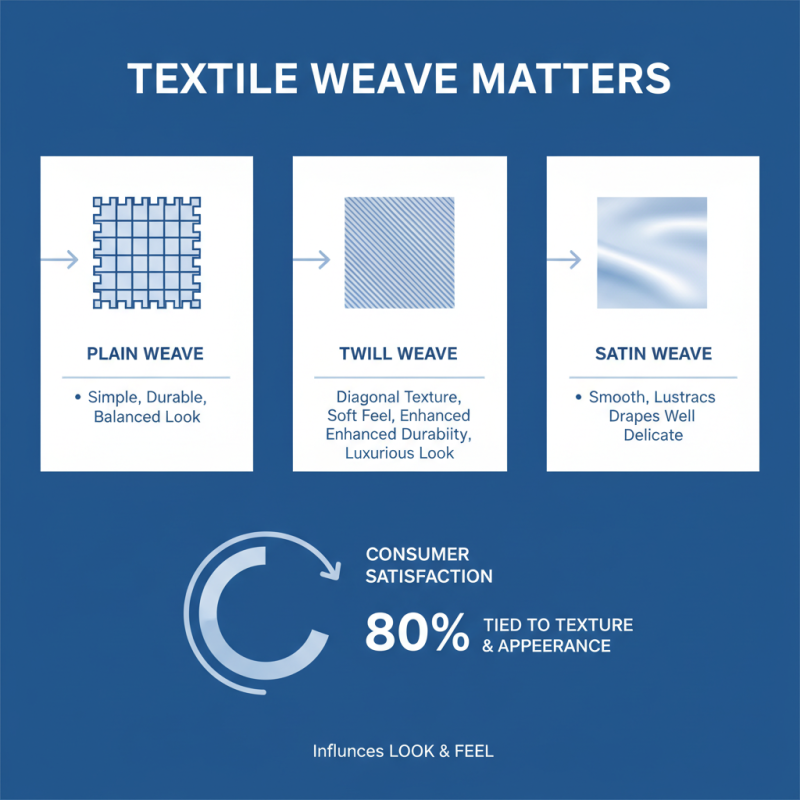
Weaving techniques play a crucial role in determining the quality of textiles. Different patterns and styles affect the fabric’s texture and strength. For instance, plain weaving creates a smooth surface, perfect for everyday clothing. In contrast, twill weaving offers durability and a distinct diagonal rib pattern, ideal for workwear. Each technique has unique properties, influencing how the fabric behaves.
However, not all weaves are perfect for every application. Some weaves can be less breathable, resulting in discomfort in warmer climates. A satin weave, while luxurious, often lacks the ruggedness required for heavy use. Choosing the right weaving method is vital but can be challenging. The intricacies of fabric behavior require careful thought. It’s essential to experiment and understand how different weaves can perform under varying conditions.
The artistry of weaving involves making hard choices. Balancing aesthetics and functionality is tricky. Not every attempt yields the desired outcome. We should embrace these imperfections and learn from them. Carefully considering weaving techniques enables the creation of high-quality textiles that stand the test of time. This is where the true journey of fabric making begins.
Evaluating the Durability and Strength of Woven Fabrics
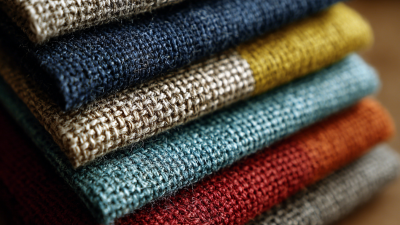
Woven fabrics play a crucial role in the textile industry, especially when it comes to durability and strength. The process of weaving intertwines threads, creating a structure that stands up to wear and tear. This method lends fabrics a unique resilience that non-woven alternatives often lack. For example, canvas and denim showcase remarkable sturdiness due to their tightly woven nature.
However, not all woven fabrics maintain the same level of durability. Some may fray or lose their shape after repeated use. Factors like thread count and the type of fibers used can drastically affect the fabric's strength. In contrast, lightweight woven materials might offer breathability but can fall short in terms of longevity. It's essential to consider these variables when choosing the right fabric for specific applications.
It’s also worth noting that while durability is important, aesthetics should not be overlooked. A fabric that is highly durable may not always meet style expectations. Consumers often face a dilemma between strong and stylish choices. Finding a balance can be challenging, as some strong fabrics may compromise on color vibrancy and texture. An honest evaluation of needs can lead to better choices in textile selection.
The Role of Weave Pattern in Texture and Appearance
The weave pattern is a crucial aspect of textile quality. It influences not only the look but also the feel of the fabric. Various studies indicate that 80% of consumer satisfaction with textiles is tied to texture and appearance. Different weaves, such as plain, twill, and satin, offer distinct visual effects and tactile experiences. A well-designed twill can provide a luxurious look while enhancing durability.
Texture is more than skin-deep. A textured fabric can alter how colors appear, making them more vibrant or muted. For example, satin weave often creates a high-shine surface that elevates garment appeal. However, it may be prone to wrinkles. Careful consideration of the weave can lead to a more satisfying product.
**Tip:** Choose weaves based on the intended use of the fabric. A robust twill may be better for work clothing, while delicate satin suits evening wear.
**Tip:** Don't overlook fabric care instructions. Certain weaves require special washing or ironing techniques to maintain their beauty.
Texture shapes consumer choice significantly. It determines comfort and durability, which can impact brand loyalty. Understanding the weave pattern is essential for anyone serious about quality textiles.
Sustainability and Innovation in Weaving Practices
Weave fabric plays a vital role in the textile industry. Its production often requires significant resources, thus sustainability becomes crucial. In recent years, innovative practices are changing the way we think about weaving. Sustainable materials, like organic cotton and recycled fibers, are becoming more popular. This shift helps reduce environmental impact.
Craftsmanship in weaving needs to evolve. Many traditional techniques are being lost, while new technologies emerge. Innovative looms and eco-friendly practices are on the rise. However, there are challenges. Not every weaver can afford new equipment. Access to sustainable resources is limited in some regions. These hurdles can hinder progress in textile quality and sustainability.
Consumer awareness is increasing. People now seek transparency in textile production. They want to know the origin of their fabric. This demand pushes manufacturers to adopt greener methods. Yet, it’s a complex journey. Balancing quality, cost, and sustainability is not easy. Weaving practices must adapt, but it takes time and effort. There’s room for improvement in every step of the process.