What Is a Butterfly Valve and What Are Its Types?
A Butterfly Valve controls flow with a quarter-turn disc mounted inside a pipe. Its compact body and quick operation make it common in water treatment, irrigation, HVAC, and process plants. The mechanism looks simple. Selection is not.
The scale of water infrastructure helps explain why dependable flow control matters. UNESCO’s 2024 World Water Development Report estimates that agriculture accounts for about 70% of global freshwater withdrawals, much of which moves through managed irrigation systems. For valve design, industry references matter too: API Standard 609 covers butterfly-valve design, while ISO 5208 specifies pressure testing for metallic valves. These sources help engineers assess construction and test performance, but neither makes every valve suitable for every duty.
This guide explains how a Butterfly Valve works and compares its main types. Wafer and lug designs differ in how they connect between pipe flanges; concentric, double-offset, and triple-offset designs differ in disc and shaft geometry. Those details affect installation, sealing, wear, and operating torque. A low-cost option may fit a clean-water line yet perform poorly with abrasive slurry or high temperatures. That distinction is easy to miss. We will look at each design’s practical strengths, limitations, and typical uses, while noting where operating conditions and manufacturer specifications should guide the final choice.
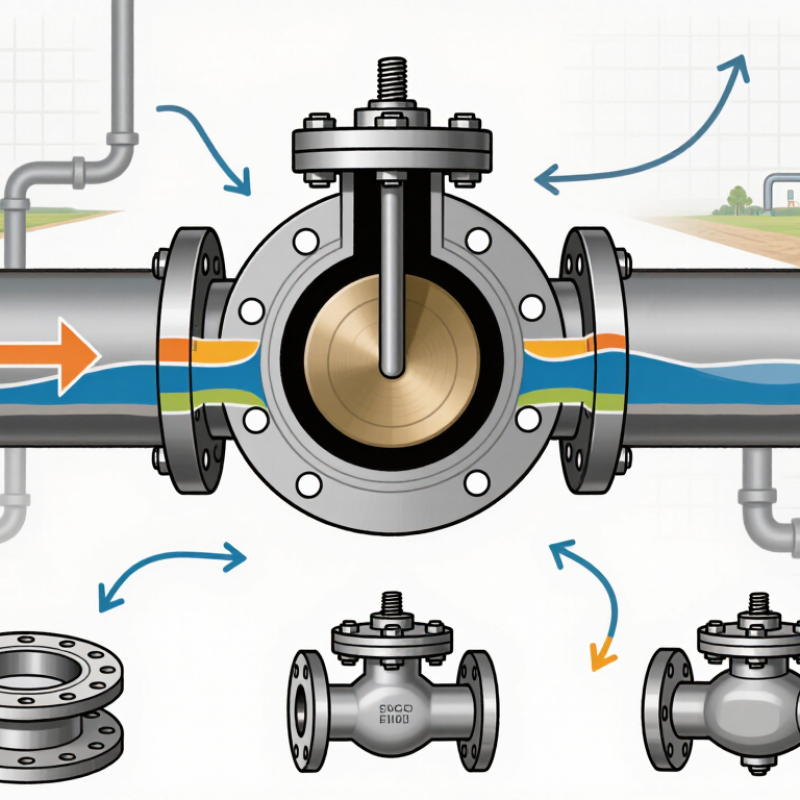
Butterfly Valve: Definition and Main Components
A butterfly valve controls flow with a rotating disc inside a short body. Its main components are the body, disc, stem, seat, bearings, and operating mechanism. The body connects to the pipe; the disc turns across the flow path. A stem links the disc to a hand lever, gearbox, or actuator. The seat forms a seal around the disc, while bearings support the stem and reduce friction. Small parts matter. A worn seat or poorly aligned stem can cause leakage, stiff operation, or uneven wear.
Materials and details depend on the fluid, temperature, pressure, and required leakage performance. Resilient seats suit many general services, while metal seats may be selected for higher temperatures or demanding conditions. ASME B16.34 provides pressure-temperature ratings and other requirements for covered valves; ISO 5208 specifies pressure-testing methods and leakage criteria for metallic valves. These standards help engineers check suitability, but the exact design and applicable requirements still need review. The U.S. Department of Energy’s Improving Pumping System Performance sourcebook estimates that pumping systems use nearly 20% of global electricity demand. That figure is not specific to butterfly valves, but it shows why selecting and operating flow-control components thoughtfully matters. A useful detail to revisit: the right valve is not always the smallest or cheapest option.
How a Butterfly Valve Controls Fluid Flow
A butterfly valve controls flow with a quarter-turn disc mounted across the pipe. Turn the handle or actuator, and the disc rotates: fully aligned, it offers a relatively open path; turned across the flow, it restricts the passage. In real piping, the disc still creates resistance when open. Its position also changes flow unevenly, so a small adjustment near closed can have a larger effect than expected.
The U.S. Department of Energy’s Improving Pumping System Performance sourcebook reports that pumping systems can consume 25–50% of the energy used in some industrial facilities. That figure is a reminder to consider the whole system: throttling can raise pressure losses, while the right valve size and control method help avoid unnecessary strain on pumps.
Butterfly valves come in concentric, double-offset, and triple-offset designs. A concentric valve suits many general water duties; offset designs reduce disc-seat contact and are often chosen for higher pressures or temperatures. For control, operators or actuators rotate the disc to a measured angle. Flow does not always change in a simple, linear proportion to that angle. Pipe layout, fluid properties, and valve sizing matter. The tidy diagram is only a starting point.
Tips: Check the valve’s rated pressure, temperature, and materials against the actual service. Avoid using a valve almost closed for long periods without checking its control range and pressure drop. Small details matter. A commissioning check can reveal vibration, noise, or unexpected flow before these become persistent problems.
Major Types of Butterfly Valves
Butterfly valves are commonly classified by disc geometry and seat design. In a concentric valve, the stem passes through the disc’s center, and the disc seals against a resilient seat. This straightforward design is often used for water and other moderate-duty services. The seat material must suit the fluid and operating temperature. That matters.
A double-offset valve shifts the stem behind the disc and away from its centerline. This reduces rubbing as the valve opens, helping limit seat wear in higher-pressure applications. A triple-offset design adds an angled seating surface, creating a cam-like motion and little contact during rotation. Metal seats can handle higher temperatures, but installation and alignment need care. Not always.
Wafer and lug valves describe body connections, rather than separate sealing geometries. A wafer body fits between pipe flanges, while a lug body has threaded inserts for bolting to each flange. A lug valve may allow one side of a line to be removed, but only when its design is rated for that service. The distinction can be easy to miss. Check pressure, temperature, fluid compatibility, and the manufacturer’s specifications before selecting a type.
Common Materials and Industrial Applications
A butterfly valve uses a rotating disk to regulate or stop flow, so its materials must suit both the fluid and operating conditions. Valve bodies commonly use cast iron, ductile iron, carbon steel, or stainless steel. Disks may use stainless steel or coated metal, while seats often use EPDM, NBR, or PTFE. Each choice has limits. For example, an elastomer seat may resist water well but perform poorly with certain oils or high temperatures. Check the fluid’s chemistry, temperature, pressure, and solids content before specifying a valve. Small details matter.
These valves appear in water-treatment plants, building HVAC systems, power facilities, and process industries. In water lines, resilient seats can provide tight shutoff; in ventilation ducts, lightweight operation suits frequent adjustment. Chemical service needs closer review, since a compatible body does not guarantee a compatible seat or disk coating. Food and beverage systems may require cleanable surfaces and suitable materials, depending on the process. A common oversight is choosing by pipe size alone. The installation angle, flow speed, and cycling frequency also affect wear. Real systems are rarely perfect, so maintenance access and periodic seat inspection deserve space in the design.
Key Factors for Choosing a Butterfly Valve
Choosing a butterfly valve starts with the service, not the pipe size alone. Record the fluid, operating pressure, temperature, flow range, and expected cycling frequency. A valve handling clean water faces different wear risks from one carrying abrasive slurry. Small details matter: suspended grit can score a seat, while temperature changes can affect sealing.
The U.S. Environmental Protection Agency’s 2023 Drinking Water Infrastructure Needs Survey estimated $625 billion in drinking-water infrastructure needs over 20 years. That scale makes lifecycle decisions important. For water systems, compare the valve’s pressure rating, corrosion resistance, leakage requirements, and maintenance access. A resilient-seated concentric design often suits moderate-pressure duties; double-offset and triple-offset designs may be better for higher pressures or temperatures. Confirm the actual limits against the valve’s rated specifications.
Material compatibility needs careful checking. Match the body, disc, stem, and seat to the fluid and temperature, then assess whether manual, electric, or pneumatic actuation fits the control task. Check face-to-face dimensions and applicable project standards before ordering. A spreadsheet can miss awkward access around a buried or insulated pipe. It happens. Leave room for inspection, and verify shutoff performance under realistic operating conditions rather than relying on nominal size alone.
What Is a Butterfly Valve and What Are Its Types?
Butterfly valves use a rotating disc to regulate or shut off flow. The chart compares common designs by their number of offsets: concentric valves have none, double-offset valves have two, and triple-offset valves have three. The right type depends on factors such as pressure, temperature, fluid, sealing needs, and operating conditions.
