Weavetech

Why Are Spring Jackets for Men So Popular?

Spring weather rarely changes all at once. A chilly morning can turn into a bright, breezy afternoon, making a heavy winter coat feel like too much. That everyday uncertainty helps explain why spring jackets remain popular with men. They offer a practical middle layer, adding comfort without the bulk of a thick coat. A lightweight jacket also makes ordinary routines easier, from walking to work to sitting outdoors after lunch.

Searches for Spring Jackets Men often point to a simple need: versatile clothing that works across changing temperatures. A cotton field jacket can handle a cool commute, while a water-resistant shell is useful when light rain appears. Denim and bomber styles bring a different look, but fit and fabric matter more than chasing every seasonal trend. Check the lining, closures, and room for a sweater. Small details count.

Popularity is not only about appearance. A well-chosen jacket can pair with jeans, chinos, or office-casual clothes, helping one garment serve several occasions. Still, no style suits every climate or body shape. That is worth remembering. Buyers may also overlook breathability, then feel uncomfortable once the sun comes out. The best choice depends on local weather, daily habits, and how often the jacket will be worn. This guide explores those practical reasons, compares common styles, and considers what makes a spring jacket genuinely useful—not merely fashionable. Some advice stays imperfect, because weather and personal comfort are hard to predict.
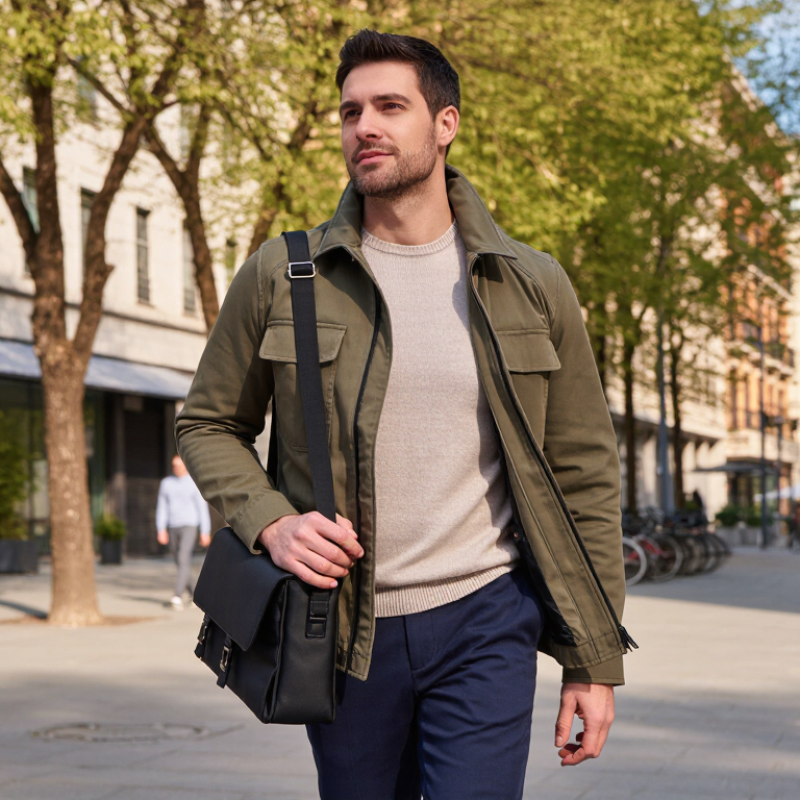
Why Are Spring Jackets for Men So Popular?

What Defines a Men’s Spring Jacket?

A men’s spring jacket is designed for changing temperatures, not deep cold. It adds a useful layer over a shirt or light sweater without feeling bulky indoors. The best choice depends on local weather and daily activity. A breezy morning and a sunny afternoon can call for very different levels of warmth.

Weather shifts quickly. That matters.

Fabric and construction help define the jacket. Lightweight cotton feels comfortable in mild, dry conditions, while a closely woven shell can offer more protection from wind. A thin lining may add warmth, but too much insulation can become uncomfortable on a crowded train or during a brisk walk. There is no single ideal fabric for every spring day.

Fit should allow easy movement and a layer underneath. Check that the shoulders sit naturally and the sleeves do not cover the hands when reaching forward. Practical details, such as secure pockets and a fastening that is easy to adjust, make a difference during everyday wear. Looks count, too, but they should not override comfort. I sometimes prefer a slightly roomier cut, though it can feel less polished with a thin shirt. That trade-off is worth considering before choosing a jacket.

How Spring Weather Shapes Jacket Design

Spring weather makes jacket design a balancing act. In Chicago, NOAA’s 1991–2020 U.S. Climate Normals put average temperatures near 39°F in March and 62°F in May. That wide seasonal shift favors light layers over one heavily insulated coat. A breathable shell can block a sharp morning breeze, while a thin lining adds warmth on chilly commutes. By afternoon, adjustable cuffs and vents help release heat. Small details matter.

Rain changes the calculation, too. A tightly woven outer fabric, covered seams, and a hood can help during a brief shower, but full waterproofing may feel clammy during a warm walk. The choice depends on local conditions and how long someone stays outside. Weather rarely cooperates. The World Meteorological Organization’s State of the Global Climate 2024 reported that global mean temperature reached about 1.55°C above the 1850–1900 average. That figure does not predict any single spring, but it underlines why fixed seasonal assumptions can disappoint. A useful jacket should adapt through layers, not promise comfort in every forecast.

I’d still check the local forecast before choosing one; a light jacket is not a substitute for good judgment.

Which Materials and Features Suit Spring?

Spring weather can turn from cool shade to warm sunshine within an hour, so a useful jacket needs to breathe and layer easily. Cotton twill feels comfortable for dry days, but it can take time to dry after a shower. Linen blends feel airy and soften with wear, though they crease easily. For changeable weather, a lightweight nylon or polyester shell can help shed light rain. Check its construction: a water-resistant finish is not the same as a fully waterproof jacket. No fabric does everything well.

Small design details matter. A mesh lining or underarm vents can reduce heat on a brisk walk, while adjustable cuffs help block chilly drafts. A hood is handy in passing showers, but it should not obstruct your side vision. Look for pockets that close securely, especially if you carry keys or a phone. Try the jacket over a shirt and a thin sweater before choosing a fit. It should allow easy arm movement without hanging loose at the shoulders. I would not chase every feature; extra lining can make a spring jacket surprisingly warm. One compromise remains: a packable shell may protect from drizzle, but feel less comfortable against bare skin.

Why Are Spring Jackets for Men So Popular? — Materials and Features for Spring
Jacket Type Common Materials Useful Features Best Spring Conditions Advantages Things to Consider
Lightweight windbreaker Polyester or nylon shell; some versions include a mesh lining Wind-resistant fabric, adjustable hood or cuffs, zip pockets, and a packable design Cool, breezy days and light outdoor activity Light to wear, easy to layer, and often quick-drying Many windbreakers are not fully waterproof; check the garment’s water-resistance details.
Unlined cotton jacket Cotton twill, canvas, or cotton-blend fabric Breathable construction, a simple front closure, and practical hand pockets Mild, dry weather and everyday wear Comfortable and versatile, with a casual look that works over a shirt or light knit Cotton can absorb water and usually takes longer to dry than synthetic fabrics.
Denim jacket Cotton denim, sometimes blended with a small amount of stretch fiber Button front, chest pockets, and a durable woven construction Dry days with mild temperatures Durable and easy to style with casual outfits Typically offers little protection from wind or rain; heavier denim may feel warm during active use.
Lightweight softshell Woven polyester or nylon, often with a stretch component Stretch for movement, a wind-resistant outer face, and a soft inner surface Changeable weather, walking, and other low-to-moderate outdoor activity Combines flexibility with useful wind protection Water resistance varies, and most softshells are not a substitute for a fully waterproof rain jacket.
Packable rain jacket Coated or laminated nylon or polyester Waterproof or water-resistant shell, hood, secure closures, and compact storage Rainy, damp, or unpredictable spring weather Helps shield clothing from rain and can be carried when conditions may change Breathability varies; ventilation features can improve comfort during active wear.
Lightweight bomber jacket Nylon, polyester, cotton blends, or lightweight synthetic lining Front zip, ribbed cuffs and hem, and a short, easy-to-layer shape Cool mornings and mild afternoons Offers a neat casual silhouette and works well over lightweight layers Warmth and weather protection depend on the lining and shell; many styles are not rainproof.
Unlined chore jacket Cotton canvas, cotton twill, or a cotton-blend fabric Multiple patch pockets, a button front, and a roomy fit for layering Mild, mostly dry days and casual daily use Practical pocket space and enough room for a shirt or thin sweater underneath Canvas can feel stiff at first, and cotton versions may be less suitable for wet conditions.

What Styles and Uses Do Spring Jackets Offer?

Spring jackets work best when they match the day’s changing temperature, not just its forecast. A lightweight field jacket adds pockets for keys, a phone, and folded transit tickets. Denim feels sturdier, while a bomber’s ribbed cuffs help block a cool evening breeze. Neither is perfect. Heavy lining can feel stuffy on a sunny walk, yet thin shells may offer little protection against sharp wind. A pale lining can also show stains quickly, a practical detail that product photos may not reveal.

For damp commutes, a water-resistant shell with a hood helps keep brief showers off your shirt. On dry days, an unlined overshirt layers neatly over a T-shirt and under a roomier coat. Check the shoulder fit with your arms reaching forward; tight seams can become annoying on a bicycle or crowded bus. Small details matter. Snap cuffs, a two-way zip, and closable pockets can make everyday use easier. I sometimes choose a lighter jacket than the weather deserves, then regret it at dusk.

Why Do Men Choose Spring Jackets?

Why Do Men Choose Spring Jackets?

Men choose spring jackets because the weather rarely stays predictable for long. A cool morning can turn mild by lunchtime, while a sudden breeze makes a thin shirt uncomfortable. A lightweight jacket adds warmth without the bulk of a winter coat. It is easy to carry, too.

Fit matters in daily use. The shoulders should sit neatly, and the sleeves should allow comfortable movement when driving or carrying a bag. Leave enough room for a light sweater, but avoid extra fabric that bunches at the waist. Small details help: secure pockets keep keys from slipping out, and a water-resistant outer layer can handle a brief drizzle. Not a downpour.

Versatility is another reason men reach for these jackets. A simple cut works with jeans, chinos, or office clothes, so one piece can cover several parts of the week. Neutral colors are often easier to pair, though they can feel a little dull. That is a trade-off. Breathable lining and adjustable cuffs can improve comfort as temperatures shift, but no jacket suits every spring day. Checking the forecast still helps.

Why Are Spring Jackets for Men So Popular?

Longer days mark the shift into spring, when a lightweight jacket can be a practical layer for changing conditions.

Approximate sunrise-to-sunset daylight in London (51.5°N), calculated using solar geometry and rounded to 0.1 hour. Longer days accompany the seasonal transition; this chart shows daylight, not jacket sales or survey results.