Choosing the right yarn twisting machine in 2026 requires more than comparing prices and production speeds. Buyers must examine yarn type, twist direction, machine capacity, energy use, maintenance access, and operator safety. A machine that performs well with cotton may struggle with delicate wool, recycled fibers, or technical yarns. Small details matter. For example, spindle vibration, uneven tension, and poor winding control can create visible defects after hours of production.
This buying guide is designed for manufacturers, textile investors, and purchasing teams seeking dependable equipment. It explains how modern machines handle twisting precision, automation, yarn monitoring, and production consistency. Practical experience shows that advertised output rarely tells the whole story. Test results should include actual yarn samples, running speed, twist level, breakage rate, and power consumption. Ask suppliers for service records and realistic maintenance schedules. Documentation matters too.
Do not choose solely by a high spindle count. More spindles can increase output, but they may also raise noise, training needs, and repair costs. That trade-off is easy to overlook. We will compare machine structures, control systems, compatible materials, and long-term operating value. Some recommendations may not fit every factory, and that is the point. Reliable purchasing requires honest evaluation, not attractive specifications alone. By the end, readers should understand which yarn twisting machine features support stable quality, efficient production, and practical growth in 2026. Mistakes still happen. Good planning reduces their cost.
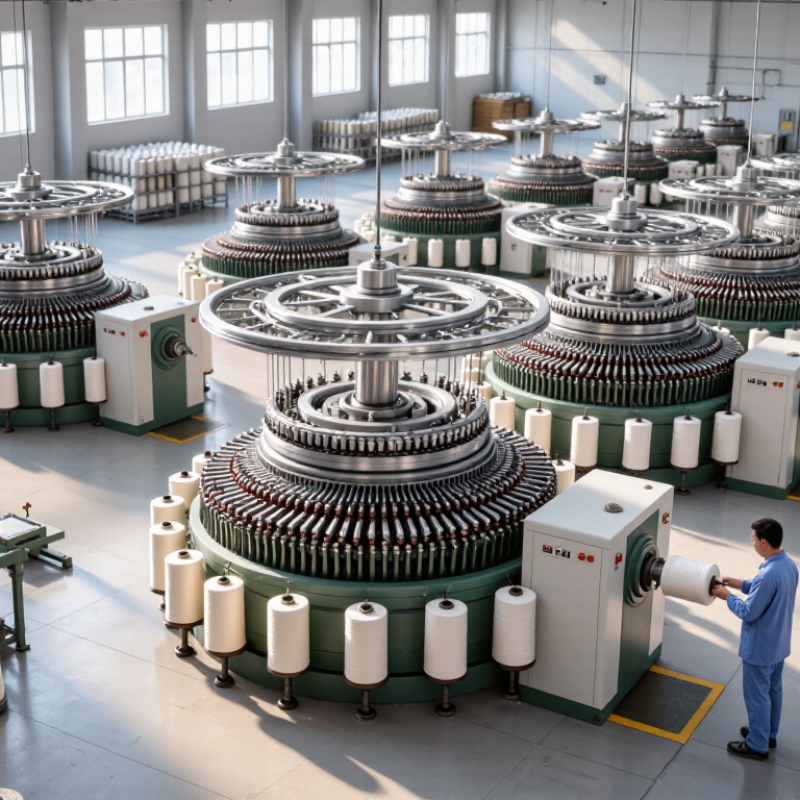
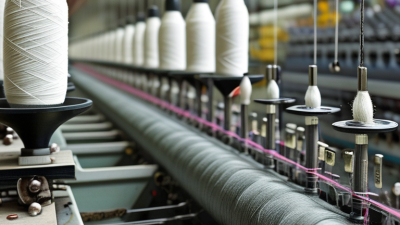
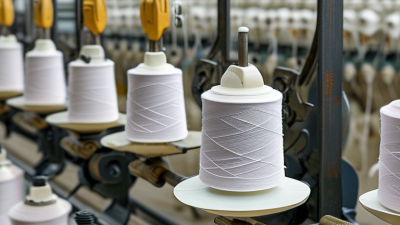
A yarn twisting machine combines two or more yarn ends and inserts controlled twist. Its core parts include feed rollers, tension devices, a spindle or rotor, and a take-up package. The yarn enters under measured tension. The spindle then rotates, wrapping the strands around each other. S-twist turns one way; Z-twist turns the other.
Small details matter. Uneven tension can create thin spots, snarled sections, or a package that unwinds poorly. A two-for-one twister inserts two twists during one spindle revolution, while other machines insert one twist per revolution. Operators adjust spindle speed, delivery rate, twist level, and winding tension for the target fabric. Higher speed is not always better. Heat, vibration, and yarn breakage may rise.
The Textile Exchange Materials Market Report 2024 estimated global fiber production at 124 million tonnes in 2023. It projected about 160 million tonnes by 2030, increasing pressure on stable and efficient yarn preparation. The ITMF International Textile Machinery Shipment Statistics 2023 also recorded 8.5 million new short-staple spindles shipped worldwide. These figures do not directly measure twisting machines, so they should not be treated as exact market demand.
In practical buying, check twist accuracy, compatible yarn counts, maximum package size, energy use, and maintenance access. Ask for test data using your own yarn. A polished demonstration can hide problems. I would also inspect noise, tension variation, and waste during a full shift, not only during a showroom trial.
2026 Best Yarn Twisting Machine Buying Guide
Which Yarn Twisting Machine Types Fit Different Production Needs?
Choosing a yarn twisting machine starts with the yarn, not the machine’s advertised speed. Ring twisters suit cotton, wool, and blended yarns requiring controlled tension and flexible twist levels. They are practical for varied orders, especially when operators change counts during a shift. However, setup takes time, and inexperienced adjustment can create uneven packages.
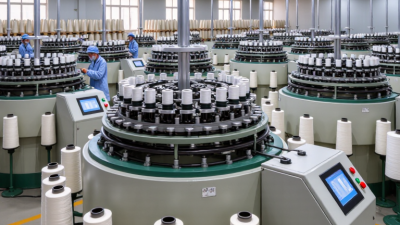
Two-for-one twisters fit high-volume production. Each spindle rotation inserts two twists, reducing energy and floor-space demands per kilogram. They work well for sewing thread, industrial yarn, and other consistent products. Production managers should check spindle speed, winding package size, and yarn break frequency. Fast machines are not always efficient.
Hollow spindle machines are useful for covering elastic cores, metallic yarns, or delicate filaments. Their structure helps place an outer yarn around a central core with controlled appearance. Cabling machines fit plied yarns that need strength and a balanced surface. Ask for trial data using your actual fiber, count, and moisture level. A sample may look acceptable for ten minutes, then show tension problems after hours. I would also inspect noise, cleaning access, spare-part availability, and operator training. These details are easy to underestimate.
Which yarn twisting machine types fit different production needs?
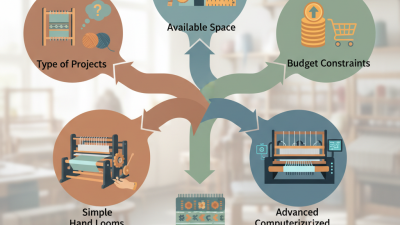
The chart uses an indicative 1–5 suitability score based on common machine characteristics: ring twisters are suited to precision and smaller production runs, two-for-one twisters to high-volume yarn processing, cablers to multi-ply and technical yarns, and air-jet twisters to high-speed processing where a softer or bulkier yarn effect is required. Actual performance depends on yarn count, fiber type, twist level, package size, and machine configuration.
When buying a yarn twisting machine in 2026, evaluate usable capacity, not catalogue speed. Ask for kilograms per day at your target yarn count. Then deduct loading, doffing, cleaning, and changeover time. Textile Exchange’s Materials Market Report 2024 estimates global fiber production reached 124 million tonnes in 2023. This scale increases pressure for stable output, especially with recycled fibers. A machine handling only one fiber family may create expensive production limits.
Twist quality deserves a physical test. Check twist range, spindle stability, balloon control, and tension variation. Measure samples under ISO 2061, rather than trusting the display. Test ten packages from different positions.
Compare twists per metre, strength, hairiness, and package density. A small variation can cause uneven knitting or weak seams. ITMF’s International Textile Machinery Shipment Statistics helps track equipment investment trends, but it cannot replace an on-site trial.
Real yarn behaves differently from showroom samples. I have seen promising machines fail after humidity changes.
Tips: Bring your actual yarn, package tubes, and target counts. Request a four-hour trial. Record output, waste, noise, and operator adjustments. Confirm compatibility with cotton, blends, recycled fibers, or filament yarns before ordering. Check electrical requirements and software interfaces. Ask for spare-part lead times.
A fast spindle is not always the best investment. Sometimes a slower machine produces fewer defects and better sellable output. That trade-off needs honest calculation.
Choosing a yarn twisting machine requires more than checking output speed. Match the machine to your yarn type, count range, twist level, and daily production volume. A wide yarn-count range sounds useful, but performance may weaken at extreme settings. Check the spindle speed, twist-per-meter adjustment, and winding capacity together. These specifications affect yarn strength, appearance, and package formation.
Tension control deserves close attention. Uneven tension can create loose sections, breaks, or irregular dye absorption. Look for stable guides, responsive sensors, and simple calibration procedures. A clear control panel helps operators adjust speed and twist without confusion. Motor efficiency also matters, especially during long shifts. Ask for noise levels, power requirements, and confirmed running data, not only catalog figures. I have seen machines perform well in demonstrations but struggle with dusty yarn and continuous operation.
Tips: Request a sample trial using your actual yarn. Measure twist accuracy, breakage, package hardness, and energy use. Inspect access to bearings, guides, and cleaning points. Maintenance should not require excessive dismantling. Leave space around the machine for safe servicing. My own preference is practical simplicity, although advanced automation can reduce operator mistakes. Still, more features may increase training time and repair costs. Check spare-part availability and technical support before purchasing. A small test can reveal a costly mismatch.
2026 Best Yarn Twisting Machine Buying Guide
Buying a yarn twisting machine requires more than comparing the lowest quotation. I recommend calculating the total cost over five years. Include machine price, freight, installation, electricity, spare parts, and expected downtime. A cheaper machine may become expensive after repeated tension problems.
Ask suppliers for production data using yarn similar to yours. Confirm twisting range, spindle speed, winding accuracy, noise levels, and power requirements. Request a written list of standard components and optional upgrades. Supplier experience matters, but practical evidence matters more. Review factory videos, test reports, operator manuals, and references from comparable production sites. Some sellers provide impressive figures without explaining testing conditions. That deserves careful questioning.
Tips: Compare at least three detailed quotations. Check whether installation includes leveling, wiring guidance, trial production, and operator training. Ask how quickly technical support responds and which spare parts are stored locally. Clarify warranty coverage, response times, remote diagnosis, and travel charges. Put every promise in the contract. Small details matter.
Before ordering, inspect your workshop floor, ventilation, lifting access, and available electrical capacity. A machine may fit on paper but fail during delivery or installation. Plan for maintenance space around each unit. I have seen buyers focus on output and overlook cleaning access. That mistake is easy to make. It is also expensive. Keep a realistic reserve for unexpected adjustments, because even a well-tested installation can need refinement.
| Machine Configuration | Typical Yarn Applications | Suitable Count Range | Typical Output | Indicative Machine Price | Power Consumption | Installation Requirements | Supplier Comparison Criteria | After-Sales Support to Request | Best Fit |
|---|---|---|---|---|---|---|---|---|---|
| Two-for-One Twister | Spun yarn, sewing thread, embroidery thread, industrial yarn, and blended yarn | Approximately Ne 6/1–Ne 80/1, depending on spindle and package configuration | 8–35 kg per spindle per 24 hours | US$18,000–70,000 per machine | Approximately 0.8–2.5 kW per spindle position, depending on speed and drive system | Level concrete floor, stable three-phase power, compressed-air connection if required, adequate ventilation, and space for yarn handling | Check maximum spindle speed, package size, yarn-break detection, inverter control, spare-parts availability, and documented production references | Request commissioning, operator training, electrical drawings, troubleshooting manuals, remote technical assistance, and a defined spare-parts response time | High-volume production |
| Ring Twisting Machine | Cotton, wool, acrylic, blended, fancy, and low-to-medium-volume specialty yarns | Approximately Ne 2/1–Ne 60/1, subject to fiber type and twist level | 3–18 kg per spindle per 24 hours | US$12,000–45,000 per machine | Approximately 0.4–1.5 kW per spindle position | Strong floor, precise spindle alignment, good lighting, humidity control for sensitive fibers, and sufficient aisle width for doffing | Compare spindle stability, ring and traveler compatibility, yarn-tension control, doffing time, machine flexibility, and maintenance access | Request installation supervision, spindle calibration, traveler selection guidance, preventive-maintenance schedules, and training for mechanical adjustments | Flexible product range |
| Cabling Machine | Plied yarn, technical yarn, carpet yarn, sewing thread, cord, and high-strength assemblies | Approximately 2-ply to 6-ply products; final count depends on input yarn and package design | 5–25 kg per spindle per 24 hours | US$25,000–95,000 per machine | Approximately 1.0–3.0 kW per spindle position | Rigid foundation, accurate package alignment, controlled yarn path, electrical protection, and optional air supply for cleaning or controls | Compare ply control, yarn-tension uniformity, package capacity, twist accuracy, yarn-break monitoring, and changeover time | Request process setup support, recipe programming, calibration tools, critical wear-part lists, and a written warranty covering production defects | Multi-ply products |
| Air-Jet Twisting Machine | Synthetic filament, textured yarn, carpet yarn, technical yarn, and high-speed industrial applications | Usually fine-to-medium filament yarns; the usable range depends strongly on air pressure and nozzle design | 10–45 kg per spindle per 24 hours | US$35,000–130,000 per machine | Approximately 1.5–4.0 kW per spindle position, excluding the central compressor | Reliable compressed-air system, moisture separation, air filtration, low-vibration floor, and sufficient cooling and ventilation capacity | Compare air consumption, nozzle life, twist consistency, compressor requirements, control-system diagnostics, and operating noise | Request air-system commissioning, nozzle-maintenance training, pressure-setting procedures, spare-nozzle availability, and remote diagnostics | Filament and technical yarn |
| Compact Sample or Laboratory Twister | Product development, small batches, quality testing, education, and customer sampling | Typically Ne 10/1–Ne 80/1 for spun yarns, with broader ranges available through interchangeable components | 0.5–8 kg per spindle per 24 hours | US$4,000–20,000 per machine | Approximately 0.2–1.0 kW per spindle position | Stable single- or three-phase electricity, clean workspace, basic ventilation, and a bench or compact floor foundation | Compare repeatability, twist measurement accuracy, programming functions, sample-package compatibility, and ease of cleaning | Request user training, calibration certificates, software support, replacement sensors, and a clear consumables list | Sampling and R&D |
| Automatic Package Twister | Large production runs requiring automatic doffing, package transfer, and reduced manual handling | Commonly medium-to-fine spun or filament yarns, subject to the selected spindle and package system | 15–50 kg per spindle per 24 hours | US$60,000–220,000 per machine | Approximately 1.2–3.5 kW per spindle position, plus automation and plant services | Level foundation, material-handling space, stable industrial power, compressed air where specified, and clear access for maintenance equipment | Compare automation uptime, package compatibility, sensor redundancy, line integration, software openness, and total labor savings | Request factory acceptance testing, site acceptance testing, operator certification, software backups, preventive-service contracts, and guaranteed response targets | Labor-efficient production |