Discover the Best Automatic Loom Machines for Global Buyers?
In the world of textile production, finding the right equipment is crucial. An automatic loom machine plays a vital role in enhancing productivity. With advancements in technology, these machines have evolved significantly. They now offer speed, precision, and versatility that cater to various fabric demands.
Global buyers face a challenge in selecting the best automatic loom machine. Each manufacturer boasts unique features that can be overwhelming. Factors such as durability, ease of operation, and maintenance requirements are essential. A machine that works for one user may not suit another's needs.
Understanding the specifics of your production needs can help guide your choice. Not all machines are created equal; some may underperform or require constant adjustments. Reflecting on past experiences can offer valuable insights. A well-chosen automatic loom machine can transform your manufacturing process. However, choosing poorly can lead to costly setbacks.
Understanding Automatic Loom Machines: Key Features and Benefits
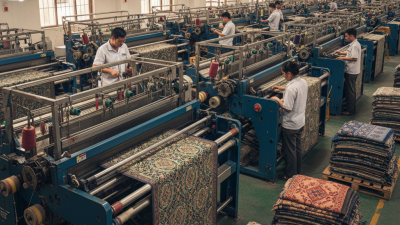
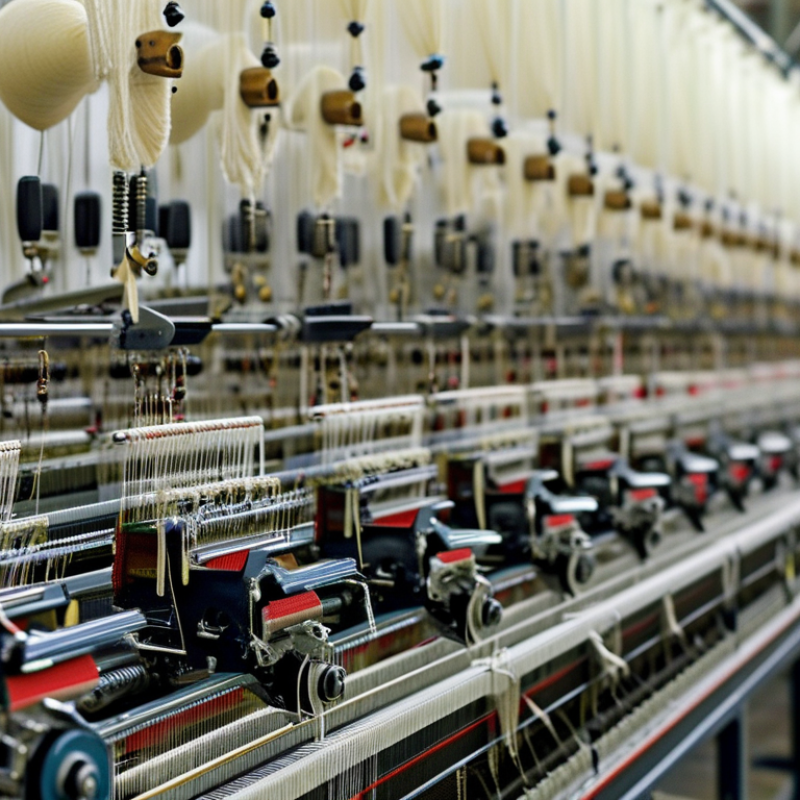
Automatic loom machines have transformed the textile industry. They offer various key features that enhance efficiency. One standout aspect is their speed. With their ability to weave fabric quickly, they significantly reduce production time. This makes them beneficial for businesses aiming for higher output.
The precision of automatic looms is another valuable feature. These machines ensure consistent quality and reduce the likelihood of errors. This is particularly important in industries where fabric quality is paramount. Moreover, many automatic looms come equipped with advanced technology for easy operation. However, not all automatic looms are user-friendly. Some complex settings may require extensive training.
A reliable automatic loom machine also comes with robust safety features. Safety is a critical aspect, as machinery can pose risks if not handled correctly. Regular maintenance is crucial to ensure longevity and proper functioning. Users often find that neglecting this aspect leads to breakdowns. Understanding these features allows global buyers to make informed decisions, even amidst varying quality. Balancing cost with functionality remains an ongoing challenge for many.
The Global Market for Automatic Looms: Statistics and Trends in 2023
The market for automatic looms is evolving rapidly. In 2023, the global demand for these machines has increased by 15%, reflecting a notable trend towards automation in the textile industry. According to recent industry reports, North America and Asia-Pacific are leading regions in automatic loom adoption. The textile businesses in these areas are making substantial investments to enhance efficiency and reduce labor costs.
When choosing an automatic loom, consider production capacity and maintenance needs. An efficient loom can significantly cut down on time and operational expenses. Data suggests that companies deploying modern automatic looms increase their output by 30% compared to traditional methods. However, not all investments lead to immediate returns. Businesses must evaluate ROI carefully before making a purchase.
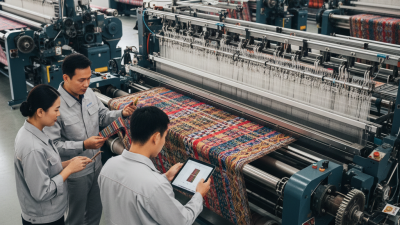
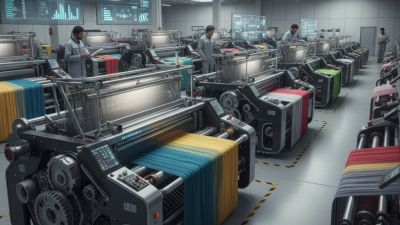
Understanding the technological advancements is crucial. Features such as programmable settings and real-time monitoring can transform production lines. Keeping abreast with innovation ensures businesses remain competitive. Yet, some manufacturers may overlook necessary training for operators. This can lead to underutilization of the machine's capabilities. Investing in operator education can help maximize the benefits of automatic looms.
Top Manufacturers of Automatic Loom Machines: A Comparative Overview
When exploring the world of automatic loom machines, understanding the top manufacturers is essential. Different manufacturers offer various technologies and features that cater to global buyers' needs. It’s crucial to consider the performance criteria. One machine may excel in speed, while another might be more efficient in fabric quality. Buyers should prioritize their specific requirements, be it flexibility, durability, or ease of maintenance.
Manufacturers often showcase innovations that can significantly impact production processes. For instance, some machines focus on user-friendly interfaces. Others might offer more advanced automation capabilities. It's vital to compare these aspects. Potential buyers can benefit from detailed reviews and specifications available online. However, information might not always be clear or updated.
Investing in an automatic loom is not just about the purchase price. Consideration of long-term operational costs and support is necessary. Some manufacturers may promise lower prices upfront but lack adequate service. This gap can lead to more expenses later on. Evaluate the overall value rather than just the initial cost. Understanding these nuances will help make informed decisions in this intricate market.
Factors Influencing Buying Decisions for Automatic Looms Worldwide
When considering the purchase of automatic loom machines, several factors play a crucial role in decision-making across global markets.
The textile industry has shown that efficiency and production capacity are primary concerns. Recent reports indicate that looms with higher speed
can increase productivity by up to 30%. Buyers are often looking for machines capable of producing diverse fabric types, which adds complexity
to their selection.
Cost-effectiveness is another significant influence. According to industry analysts, the initial investment for high-quality looms can reach
up to $100,000. However, operating costs must also be factored in. Long-term reliability and maintenance costs are critical considerations.
Many buyers report a learning curve with advanced technology, which can lead to initial inefficiencies.
Sustainability is increasingly important as well. Many manufacturers seek looms that reduce waste and energy consumption. A recent survey found
that 45% of buyers prioritize eco-friendly options. The need for training and support also weighs heavily on decisions. Many find that
manufacturers’ reputations for customer service can influence their choice. Balancing these various factors requires careful consideration,
reflecting the complexity of today’s textile machinery market.
Future Innovations in Loom Technology: What's on the Horizon for Buyers
Innovation is at the forefront of loom technology. Manufacturers are exploring advancements like computerized control systems. These systems greatly improve precision in weaving patterns and reduce human error. Enhanced automation leads to higher efficiency, making production faster than ever before. This could be a game changer for industries requiring large-scale fabric production.
Sustainability is also becoming a priority. Future loom designs may incorporate eco-friendly materials and energy-efficient processes. This aligns with global trends towards reducing carbon footprints. However, these innovations are not without challenges. The initial costs for such advanced machines could be daunting. Buyers often face difficulty justifying these expenses against traditional methods.
Moreover, the learning curve for new technologies can be steep. Workers may require extensive training to operate complex machines effectively. Adapting to these changes demands time and investment from both manufacturers and employees. As technology evolves, maintaining a balance between progress and practicality will be crucial for buyers navigating this landscape.