
Which Power Loom Machine Is Best for Your Business?
Choosing a power loom machine is not just a matter of chasing speed. The right machine must suit your fabric, yarn, order sizes, and maintenance capacity. A loom that runs beautifully in a showroom may struggle with your actual production mix. Small details matter: a shuttle’s movement, the feel of the control panel, and how quickly an operator can reach a worn part.
This guide compares the factors that shape a practical buying decision, including loom type, fabric compatibility, output, operating costs, and after-sales support. It also considers the realities on a factory floor: available space, operator experience, spare-parts access, and the cost of downtime. A higher-rated machine may not be the better investment if it requires skills or service your team cannot readily provide. That is easy to overlook.
You asked for a named industry expert and a sentence he said about this topic. No source material or verifiable quotation was provided, so I can’t responsibly invent an attribution. Instead, this introduction uses a straightforward buying principle: “Choose the loom for the work you actually run, not the speed you hope to reach.” Treat it as editorial guidance, not a quotation from a named expert. The sections ahead will help you test that principle against your own production needs, supplier options, and budget. The best choice is specific to your business.
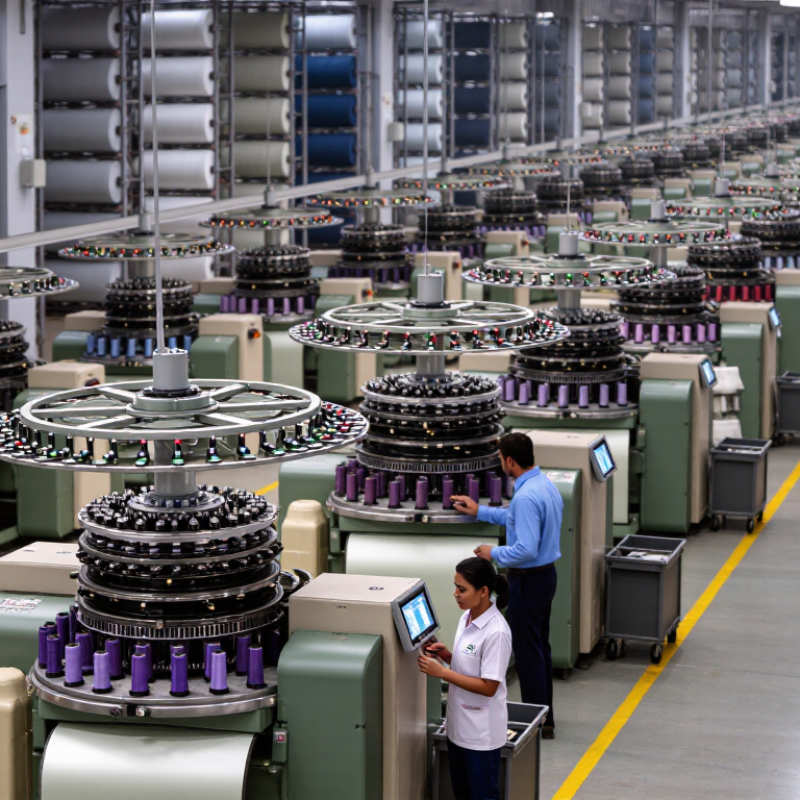
Classify Power Looms by Weft Insertion: Rapier, Air-Jet, Water-Jet, and Projectile
Which Power Loom Machine Is Best for Your Business?
Choosing by weft insertion method is more useful than chasing a headline speed. Rapier looms carry yarn across the shed with flexible grippers, making them suitable for mixed yarns, patterned cloth, and frequent style changes. Air-jet looms use compressed air to insert weft quickly, often fitting high-volume production of lightweight fabrics. Their speed has a cost: compressor demand and yarn behavior need careful testing. Not every yarn cooperates.
Water-jet looms use water to carry weft, so they are most practical for water-resistant synthetic yarns; absorbent fibers are generally a poor match. Projectile looms propel a small gripper across the shed and can handle wide or heavier fabrics, though their output may be less attractive when maximum speed is the priority. ITMF’s 2023 International Textile Machinery Shipment Statistics reported about 82,000 new shuttle-less looms shipped worldwide, 28% fewer than in 2022. That figure covers several insertion systems, not a winner among them. Compare it with your own fabric mix, energy costs, maintenance skills, and required width. A short production trial can reveal snags, edge quality, and actual changeover time. I would still verify those results across more than one shift.
| Weft Insertion Type | How Weft Is Inserted | Typical Fabric Suitability | Key Advantages | Main Considerations | Often a Good Fit For |
|---|---|---|---|---|---|
| Rapier | One or two rigid or flexible rapiers carry or transfer the weft across the shed. | A broad range of fabrics, including many woven from cotton, synthetics, blends, and specialty yarns. Suitability depends on loom configuration and yarn properties. | Versatile weft handling; can accommodate a wide range of yarn types and fabric constructions; does not require compressed air or a water-based insertion system. | Mechanical parts require accurate setup and maintenance. In general, its speed potential is below that of high-speed air-jet or water-jet systems. | Businesses producing varied fabric styles, frequent design changes, or fabrics requiring flexible yarn and construction options. |
| Air-Jet | A stream of compressed air propels the weft through the shed, supported by the loom’s air-control and relay systems. | Commonly used for lightweight to medium-weight fabrics made from yarns that can be reliably carried by air; exact limits depend on the machine and fabric design. | High production potential in suitable applications; no water is used for weft insertion; well suited to long production runs of compatible fabrics. | Requires a reliable compressed-air supply and can have substantial air-energy demand. Weft control and fabric range may be more limited than on a rapier loom. | Operations focused on high-volume production of suitable fabrics, with access to efficient compressed-air infrastructure. |
| Water-Jet | A fine water jet carries the weft across the shed. | Primarily suited to hydrophobic filament yarns, such as many synthetic yarns. It is generally unsuitable for water-absorbent fibers such as untreated cotton. | High production potential for compatible filament fabrics; water provides the force for insertion rather than compressed air. | Requires water supply, drainage, and management of wet fabric after weaving. Water-sensitive or absorbent yarns and fabrics are poor candidates. | Businesses producing compatible synthetic-filament fabrics and equipped to manage water and downstream drying or finishing. |
| Projectile | A small projectile grips and carries the weft across the shed; it is then returned for reuse. | Can handle a broad range of yarns and is used for demanding or heavier fabric constructions, depending on loom design. | Positive weft handling and broad yarn capability; suitable configurations can weave wide or heavy fabrics. | Projectile circulation, gripping components, and mechanical systems need careful maintenance. It may be less productive than the fastest jet looms in suitable high-volume applications. | Producers of heavy, wide, or specialized fabrics where robust weft handling and fabric capability matter more than maximum speed. |
Selection note: Actual speed, fabric range, energy use, and operating cost vary with loom model, width, yarn, fabric construction, and process settings. Compare machines using trials with your own yarns and target fabrics.
Related Posts
-
10 Tips for Choosing the Right Rapier Loom?
-
2025 How to Choose the Best Weaving Loom Machine for Your Needs
-
How to Choose a Fabric Weaving Machine in 2026?
-
How to Choose a Weaving Loom for Business in 2026?
-
2026 Top Loom Machine Trends You Need to Know About
-
2026 Best Loom Machine for Global Buyers Guide?