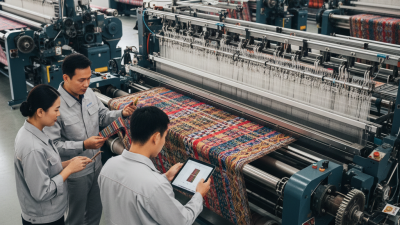
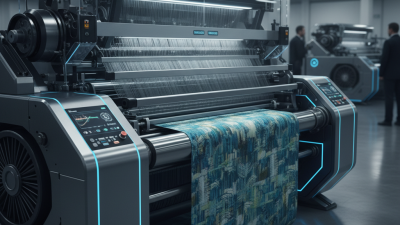
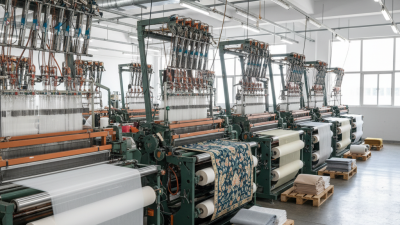
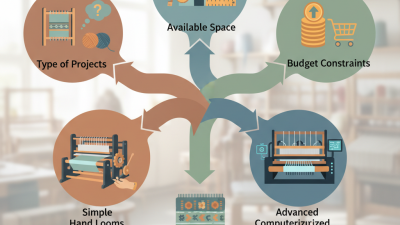
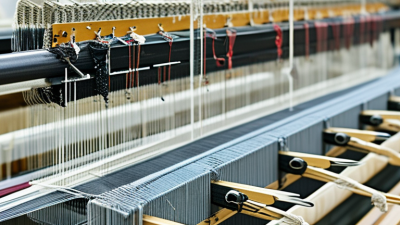
Choosing a fabric weaving machine in 2026 requires more than comparing speed, price, and glossy product photos. The right decision begins with your fabric, production volume, available floor space, and long-term maintenance capacity. A lightweight apparel fabric needs different tension control than upholstery cloth or technical textile material. Small details matter.
In practical factory evaluations, operators often notice issues that brochures overlook. A machine may reach impressive speeds, yet frequent stops can reduce real output. Check weaving stability, noise levels, energy consumption, spare-part availability, and ease of cleaning. Ask suppliers for production samples using your actual yarn. Better evidence comes from testing. Speak with technicians who service similar equipment, not only sales representatives. Their experience can reveal hidden costs, training needs, and common sensor failures.
Automation will influence many purchasing decisions in 2026. Digital monitoring, automatic tension adjustment, and predictive maintenance can improve consistency. However, advanced features are not always valuable for every mill. A simpler fabric weaving machine may perform better when local technical support is limited. This is easy to overlook. Review safety certifications, warranty terms, software support, and environmental performance before signing an order. Independent testing and transparent documentation strengthen confidence. Still, no checklist removes every risk. Fiber behavior changes, operators make mistakes, and production targets evolve. A careful buyer should leave room for revision. The best machine is not necessarily the fastest. It is the one that delivers stable fabric quality, manageable operating costs, and dependable support throughout its working life.
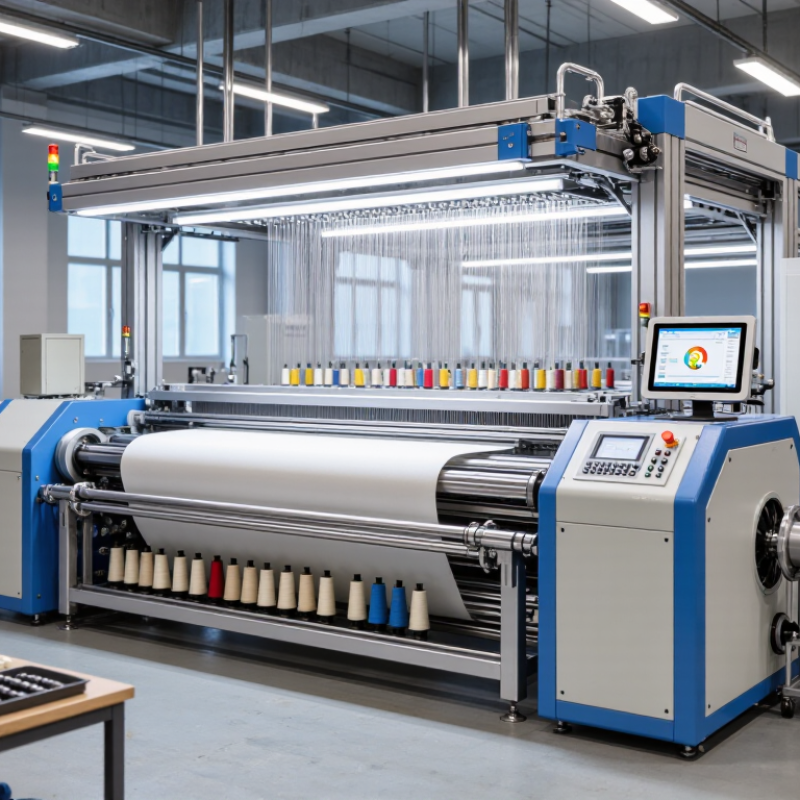
Choosing a fabric weaving machine in 2026 begins with the fabric, not the machine brochure. Define fiber, yarn count, weave structure, width, weight, and finishing route. Cotton shirting needs different tension control from glass-fiber reinforcement or heavy upholstery cloth. Plain weave may tolerate higher speeds. Satin and leno structures demand steadier shedding and fewer stoppages. Textile Exchange’s 2024 Materials Market Report places global fiber production at 124 million tonnes in 2023, with polyester representing about 57%. That scale matters. Yet volume does not define your line.
Record annual meters, batch size, loom width, target speed, style changes, operator skill, and acceptable waste. Then calculate utilization, not theoretical speed. A loom running at 70% of rated speed may outperform a faster loom with frequent warp breaks. ITMF’s International Textile Machinery Shipment Statistics show continued industry movement toward shuttle-less weaving systems. However, adoption data cannot replace a fabric trial. Test samples with your yarn, sizing, and warp density. Check selvage quality, defect rates, noise, energy use, and changeover time. Short trials reveal expensive surprises.
Match machine controls to production risks. Delicate yarns need precise tension and responsive stop motions. Coarse yarns need strong beat-up and durable contact parts. Recycled fibers can vary more. Textile Exchange reports that recycled polyester remains a minority of total polyester output, despite growth. That variation deserves testing. A wider loom may look efficient. It may create unused edges and higher preparation costs. In practice, the spreadsheet is rarely perfect. Leave room for maintenance access, spare parts, humidity control, and future fabric changes. Choose measurable fit over impressive specifications.
A shuttle loom carries the weft yarn through the shed with a wooden or metal shuttle. It is dependable, but usually slower and noisier. Rapier looms use flexible or rigid rapiers to transfer the weft across the warp. They suit delicate, heavy, and textured yarns. In daily production, operators often value this flexibility more than maximum speed.
Air-jet looms insert weft yarn with compressed air. They run quickly and work well with light or medium fabrics. However, air pressure must remain stable. Small changes can cause missed picks or uneven edges.
Water-jet looms use a fine water stream and perform efficiently with synthetic, water-resistant yarns. They are less suitable for absorbent fibers, which may retain moisture.
Projectile looms move a small gripper through the shed. They offer strong weft control for wide or dense fabrics, although their mechanisms require careful adjustment.
I once compared machines by speed alone. That was a weak decision. Energy use, yarn waste, noise, fabric width, and maintenance access matter just as much.
Request trial weaving with your actual yarn. Watch the selvedge, measure fabric tension, and record defects over several hours. A supplier’s specification sheet is useful, but production-floor evidence is more reliable.
How to Choose a Fabric Weaving Machine in 2026?
Machine width should match your real production orders, not your most ambitious plan. A wider machine can reduce fabric joins, but it also needs more floor space, stronger power supply, and careful tension control. Measure the loom area, loading route, and maintenance access before comparing specifications. In a working factory, a machine that barely fits can create daily delays. Narrower equipment may be wiser for varied, smaller batches.
Speed requires practical testing. The highest rated speed is often measured under ideal conditions, with stable yarn and simple patterns. Ask how the machine performs with your actual fabric weight, yarn type, and design changes. A slightly slower machine may produce fewer broken threads and less waste. That difference matters over several months. I have seen production plans fail because operators trusted a catalog number too quickly.
Capacity includes output, yarn storage, pattern flexibility, and continuous running time. Automation can monitor tension, stop faults, adjust settings, and record production data. Useful automation reduces repetitive work, but it does not replace trained operators. Complex controls can also increase repair time when staff lack proper training. Check the interface, sensor access, spare-part availability, and service response. Test a sample roll before committing. The fabric should meet your quality requirements, not merely leave the machine quickly.
Evaluate effective weaving width, operating speed, daily production capacity, and automation level before selecting a machine. The figures below are representative industrial planning values and vary with fabric construction, yarn, settings, and operating efficiency.
Capacity basis: approximate fabric output at about 85% operating efficiency. Automation index: 1–5 score based on electronic let-off and take-up, automatic monitoring, stop-motion control, recipe management, and production data connectivity.
Material compatibility should guide the purchase, not machine speed alone. Textile Exchange’s Materials Market Report 2024 recorded 124 million tonnes of global fiber production in 2023. Polyester represented 57%, while cotton accounted for 22%. These fibers behave differently under tension, heat, and abrasion.
Confirm the machine’s approved yarn range, reed settings, warp tension control, and temperature limits. Test real yarn samples before signing a purchase order. A clean sample room helps.
Maintenance affects output more than many buyers expect. Ask for lubrication points, spare-part availability, diagnostic access, and average service intervals. Inspect the loom after continuous operation, not only during a showroom demonstration.
Record noise, vibration, lint buildup, and broken ends. ITMF’s textile machinery shipment reports show continued global investment in shuttleless weaving equipment, but higher investment does not guarantee easier maintenance. I have seen efficient machines lose production because operators could not reach basic filters. That detail is easy to miss.
Choosing a fabric weaving machine in 2026 starts with total cost, not the purchase price. A lower quote may hide installation, training, spare parts, energy use, and scheduled maintenance. Ask suppliers for a five-year cost model with hourly power consumption and realistic output rates. Visit a working factory if possible. Listen for vibration, inspect fabric edges, and review maintenance logs. These details reveal more than polished brochures.
Supplier support deserves equal scrutiny. Confirm response times, technician coverage, remote diagnostics, and spare-part availability in writing. Request references from mills using similar yarns and production volumes. Ask how faults are handled during weekends or peak orders. A reliable supplier explains limitations clearly. That honesty matters. Do not accept “24/7 support” without a defined service process. Fast replies are not always technical competence. This mistake can delay production and increase costs.
Plan for growth before selecting the frame width, control system, and upgrade path. Your current orders may not justify automation, but labor costs and product variety could change. Check whether the machine can handle new fibers, wider fabrics, or monitoring modules. Scalability is not unlimited expansion. It means controlled adaptation without replacing the entire line. Leave budget for integration, operator training, and trial runs. A perfect forecast is impossible. Record your assumptions and review them every six months.