
How to Choose the Best Twisting Machine in China?
Choosing a twisting machine in China is not simply a matter of comparing prices or advertised spindle speeds. The right choice depends on the yarn, required twist, production volume, and the consistency your customers expect. A machine designed for fine filament may not suit coarse spun yarn, while a high-speed model can underperform if yarn tension or winding quality is unstable. Small details matter. Check the usable twist range, spindle configuration, package size, power requirements, and compatibility with your existing production process. These specifications help narrow the field before supplier claims shape the decision.
Before placing an order, ask shortlisted manufacturers for technical documents, machine videos, and a clear list of included components. If possible, arrange a trial using your own yarn. Examine finished packages for even winding, then compare breakage, output, and changeover time across a realistic production run. Test it first. Also ask how operators receive training, which spare parts are readily available, and how service requests are handled. A low quotation may exclude installation or important accessories, so compare the full cost rather than the headline price. No checklist can remove every risk; samples may not reflect months of continuous use. The guide ahead explains how to assess machine specifications, suppliers, and after-sales support, so you can make a careful decision based on your actual production needs—not just a polished brochure.
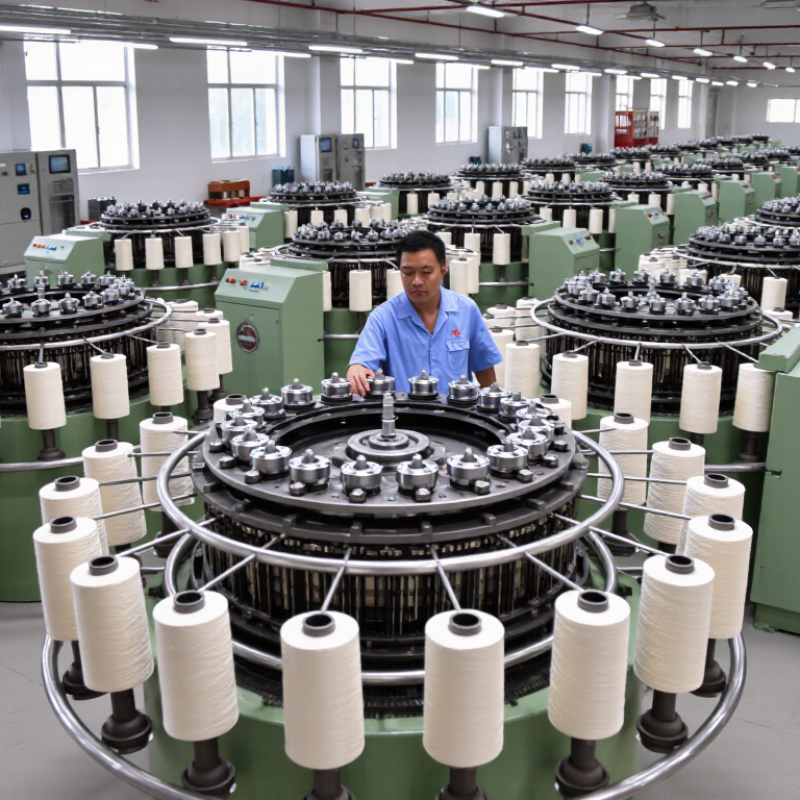
Understanding Twisting Machines and Their Applications
Twisting machines combine two or more yarn strands by rotating them around each other. This adds cohesion, strength, or a chosen surface texture. The right machine depends on the material, yarn count, twist level, and intended fabric. A fine filament used in lightweight cloth needs different tension control from a heavier yarn for upholstery. Small details matter.
Single-twist machines suit some yarn preparation tasks, while double-twist designs can add two turns during each spindle rotation. This may improve output, but actual performance depends on yarn type, package size, and operating settings. Applications include apparel yarns, sewing threads, upholstery, and certain technical textiles. Operators should check twist direction and turns per metre, then inspect samples under consistent lighting. A rough sample can reveal uneven tension quickly.
When comparing machines in China, review the usable yarn range, spindle speed, package dimensions, and adjustment method. Ask for a trial with your own material if possible. Watch for yarn breaks, heat, vibration, and variation between packages. A specification sheet is only a starting point. I would also check whether routine parts are easy to obtain and whether instructions are clear for local operators. A slightly slower machine may be the better choice if it produces steadier yarn. That trade-off is easy to overlook.
How to Choose the Best Twisting Machine in China? - Understanding Twisting Machines and Their Applications
| Machine Type | How It Works | Suitable Yarns and Materials | Common Applications | Key Selection Checks |
|---|---|---|---|---|
| Ring Twisting Machine | Twists two or more yarn ends together as the spindle and ring-traveler system winds the yarn onto a package. A conventional ring twister inserts approximately one turn per spindle revolution. | Cotton, polyester, viscose, wool, and blended spun yarns; suitability depends on the machine’s spindle and package specifications. | Sewing thread, knitting and weaving yarns, and general-purpose plied yarns. | Check spindle speed, twist range, ring and traveler compatibility, package size, end-break monitoring, and ease of threading. |
| Two-for-One (TFO) Twister | Feeds yarn through a rotating spindle assembly that nominally inserts two turns for each spindle revolution, enabling higher twist insertion rates than conventional ring twisting in suitable applications. | Filament and spun yarns, including polyester, nylon, cotton, and blends, subject to yarn strength, package format, and machine configuration. | Apparel, home-textile, industrial, and knitting yarns where production efficiency and consistent twist are important. | Verify the usable yarn count range, spindle speed under load, balloon control, twist direction, package dimensions, and energy use per kilogram. |
| Cabling Machine | Combines already-twisted yarns or plies and applies a further twist, commonly in the opposite direction to the singles twist, to create a balanced or more structured yarn. | Twisted filament yarns, sewing threads, tire-cord materials, and other multi-ply yarn constructions compatible with the machine’s tension and package system. | Technical textiles, tire reinforcement, upholstery, heavy-duty sewing thread, and high-strength cordage. | Confirm the number of feeds, yarn tension control, twist range, delivery package, and whether the process meets the required strength and balance. |
| Fancy-Yarn Twisting Machine | Uses controlled differences in feed, tension, and yarn combination to create effects such as loops, slubs, spirals, or textured sections. Available configurations vary by effect and production method. | Multiple yarn components, often combining a core, effect yarn, and binder yarn; the exact materials depend on the intended construction. | Fashion fabrics, upholstery, decorative knitting, rugs, and other products requiring a visible surface texture. | Ask for a sample made with your yarns, adjustable effect settings, repeatability data, recipe storage, and cleaning requirements. |
| Direct Cabling / Direct Twisting System | Combines multiple yarn ends and forms the required ply or cable structure in a configured process, potentially reducing intermediate handling compared with separate winding and twisting stages. | Yarns and package types supported by the machine’s feed arrangement; confirm compatibility with the intended single-yarn and final package formats. | Multi-ply technical yarns, cords, and selected industrial or textile applications requiring a defined construction. | Compare the complete process route, package handling, yarn path, changeover time, and finished-yarn test results—not just the machine’s rated speed. |
| Air-Texturing Machine | Uses compressed air to entangle and texture continuous-filament yarns. It is a texturing process rather than conventional mechanical ply twisting. | Continuous-filament yarns such as polyester and nylon, with feed-yarn requirements determined by the process and nozzle setup. | Textured yarns for apparel, furnishings, and technical fabrics where a spun-like feel or bulk is desired. | Check compressed-air consumption and quality, nozzle options, feed-yarn compatibility, texture consistency, and operating cost. |
Note: Machine capability and production rate vary with yarn material, yarn count, twist level, package size, machine configuration, and operating conditions. Request a trial using your own yarn and confirm the delivered machine’s electrical supply, safety features, spare-parts availability, installation requirements, and after-sales support before purchase.
Related Posts
-

10 Best Twisting Machines for Efficient Production in 2026?
-
Ultimate Guide to Choosing the Best Yarn Twister for Your Knitting Projects
-

10 Essential Tips for Mastering Yarn Twister Techniques How to Enhance Your Craft?
-
How to Choose the Best Yarn Twister for Your Business?
-
How to Choose the Right Yarn Twister for Global Sourcing?
-
What Is the Best China Yarn Twister for Global Buyers?