Top 10 Power Loom Machine Manufacturers Worldwide
The global weaving industry is entering a more measured phase. Energy costs, skilled-labor shortages, and stricter sustainability expectations are reshaping equipment decisions. A modern power loom machine must deliver stable fabric quality, not merely impressive speed.
The International Textile Machinery Federation’s International Textile Machinery Shipment Statistics tracks annual deliveries across major machinery categories. Its recent reports show softer investment in several textile-machine segments after the pandemic recovery. VDMA Textile Machinery also highlights automation, digital monitoring, and resource efficiency as major development priorities. These findings help explain why manufacturers increasingly promote servo control, intelligent diagnostics, lower air consumption, and rapid style changes.
Data matters here.
However, no ranking is perfectly universal. Manufacturer strength can vary by fabric type, regional service coverage, financing, and spare-parts availability. A company producing excellent denim looms may not lead in technical textiles. Likewise, a low purchase price can conceal higher maintenance costs over several years. UN Comtrade trade data can indicate equipment movement between markets, but it does not fully measure machine reliability or operator satisfaction.
This introduction to the top 10 power loom machine manufacturers worldwide therefore uses a practical evaluation framework. It considers engineering experience, product range, automation capability, production consistency, global support, and documented market presence. The analysis also refers to company technical literature and established industry reports, while recognizing their limitations. Some manufacturers disclose more data than others. That creates an unavoidable comparison gap. Buyers should verify performance through factory trials, reference installations, energy measurements, and service agreements before making a final decision.
Definition and Role of Power Loom Machines
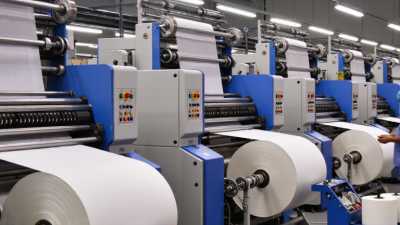
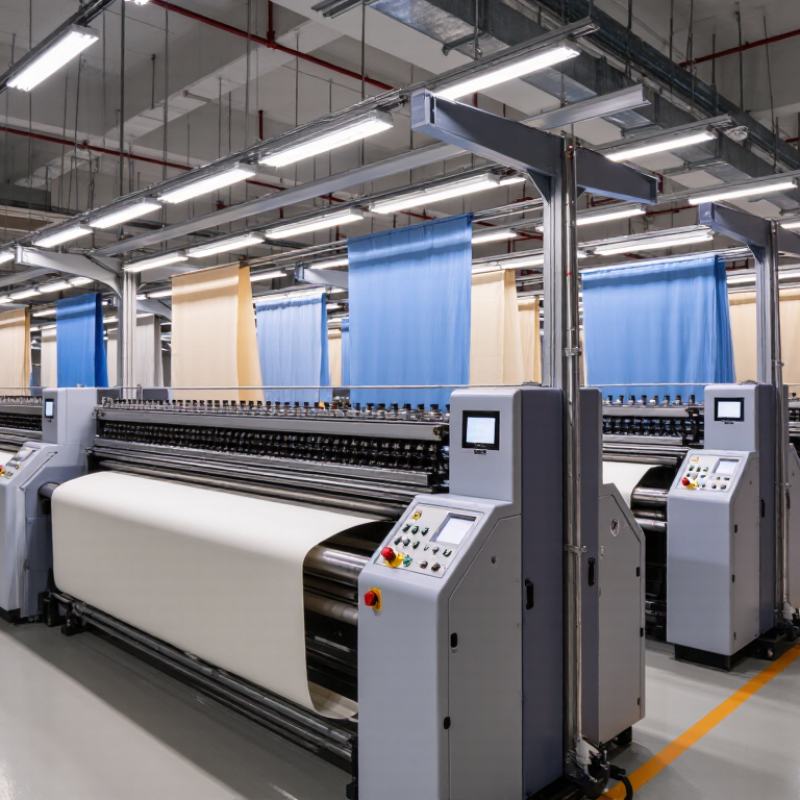
Power loom machines are motor-driven systems that weave yarn into fabric by interlacing warp and weft threads. Unlike handlooms, they maintain programmed speed, tension, and fabric width. Shuttleless models use grippers, rapier systems, or air jets to insert weft yarn efficiently.
The principle is simple. The machine is not.
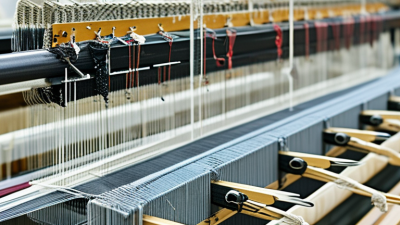
In a working mill, the warp beam feeds thousands of vertical threads through heddles. A shedding mechanism opens a path, while the reed pushes each inserted yarn into place. Sensors monitor breaks, tension, temperature, and alignment. These controls help produce consistent denim, technical textiles, bedding, and apparel fabrics with fewer manual interruptions.
The International Textile Machinery Federation reported about 82,000 new shuttleless looms shipped globally in 2023, a sharp decline from the previous year. That figure needs caution. Shipment cycles reflect investment timing, regional demand, and economic uncertainty, not only production needs. Textile Exchange’s Materials Market Report 2024 estimated global fiber production at 124 million tonnes in 2023. Such volume explains why efficient weaving remains commercially important.
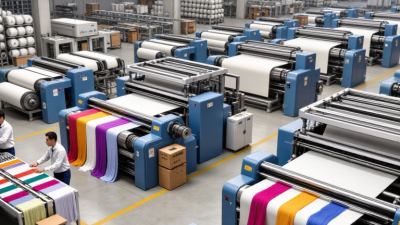
Power looms also influence energy use and labor planning. A well-adjusted machine can reduce defects, but poor lubrication or incorrect tension creates waste quickly. Operators still matter. Software cannot fully replace practical judgment when yarn behaves unpredictably. Manufacturers therefore evaluate machines through speed, uptime, fabric quality, maintenance access, and energy consumption, rather than headline output alone.
Key Criteria for Comparing Global Manufacturers
Comparing the top ten power loom machine manufacturers worldwide requires more than reading catalog speeds. A serious review examines weaving width, fabric compatibility, energy use, noise, and control accuracy. Production experience shows that a fast loom is not always the most productive choice. A machine running at 850 revolutions per minute may create more stoppages than a slower, better-balanced model. Inspect the frame, shuttle system, sensors, and operator interface closely.
Reliability should receive equal attention. Request documented uptime records, maintenance intervals, spare-parts availability, and response times from service teams. Ask for references from factories producing similar fabrics. Independent test reports and recognized safety certifications add authority, but paperwork cannot replace a factory trial. Watch the loom during a full shift. Check fabric tension, edge quality, vibration, and the time needed for a style change. Small delays become expensive across several machines.
Total ownership cost also matters. Compare installation, training, software updates, electricity, consumables, and expected repair costs. A lower quotation may hide expensive imported components or limited technical support. That risk is easy to underestimate. Use a weighted scorecard instead of choosing by purchase price alone. No scorecard is perfect. Local labor skills, floor space, climate, and production goals may change the final ranking. A short pilot run can reveal practical weaknesses that polished demonstrations often miss.
Top 10 Power Loom Machine Manufacturers Worldwide — Key Criteria for Comparing Global Manufacturers
Manufacturer-neutral benchmark of typical maximum weft insertion rates across major shuttleless power loom applications.
Weft insertion rate is a useful first-stage comparison criterion because it reflects production potential. Actual performance depends on fabric construction, yarn characteristics, width, loom configuration, and operating conditions. The ranges shown are representative industry benchmarks rather than scores or results for individual companies.
Top 10 Power Loom Machine Manufacturers Worldwide
Top 10 Power Loom Machine Manufacturers Worldwide
The top 10 power loom machine manufacturers worldwide are usually judged by engineering depth, production stability, and after-sales support. A credible ranking should examine more than sales volume. It should consider weaving speed, fabric accuracy, energy use, and service coverage.
Leading manufacturers typically develop shuttleless looms, including rapier, air-jet, and water-jet systems. Rapier machines suit denim, upholstery, and technical fabrics. Air-jet models can deliver high output for lightweight materials. Water-jet looms remain useful for selected synthetic yarns, although water management deserves careful review. Practical testing matters. A machine may reach 800 picks per minute, yet poor yarn control can create frequent stoppages. Experienced buyers inspect the shed, tension system, electronic controls, and spare-part access before signing a purchase agreement.
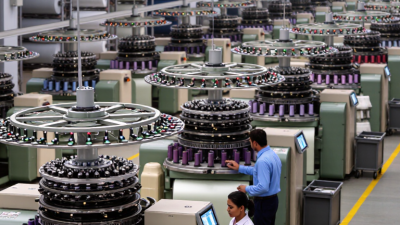
The strongest global manufacturers often maintain research centers, operator training programs, and regional technicians. Their machines may include automatic filling detection, remote diagnostics, and low-noise drive systems. These features reduce waste, but they do not remove the need for skilled operators. Factory trials should measure fabric defects across several shifts, not only during a short demonstration. No ranking is flawless. Market data changes, and some smaller producers offer better support in specific regions. I would also question rankings based only on brochure specifications. Total ownership cost, maintenance response, and compatibility with existing looms can matter more than impressive speed figures. A careful comparison records output, electricity consumption, downtime, and repair time under real production conditions.
Technology, Product Range, and Regional Strengths
The top power loom machine manufacturers now compete through technology, product range, and regional strength. ITMF’s 2023 International Textile Machinery Shipment Statistics reported about 120,000 new shuttleless looms shipped worldwide. This signals steady demand, despite weaker textile orders in some markets. Leading manufacturers offer air-jet, rapier, and water-jet systems. Their platforms support apparel, home textiles, technical fabrics, and narrow materials. Automation is becoming practical, not decorative. Sensors monitor yarn tension, vibration, and stoppage rates. Digital controls also reduce setup errors and support faster style changes.
Regional strengths remain clear. East Asian suppliers often provide broad product ranges and strong production scale. European manufacturers are typically associated with engineering precision, energy management, and complex fabric development. South Asian suppliers increasingly focus on cost-efficient solutions for cotton and blended fabrics. The World Textile Information Network has highlighted continued investment in modern weaving capacity across Asia, especially where export production is expanding. Still, product brochures can exaggerate efficiency. Factory trials matter more than polished claims. A loom that performs well in a laboratory may struggle with dusty floors, inconsistent yarn, or limited technical staff.
Tips:
Compare output per installed kilowatt, not only maximum speed. Request fabric samples using your actual yarn. Check local service coverage, spare-part delivery, and operator training. Review at least twelve months of maintenance records when available. Energy data should include the complete production line. A cheaper machine can become expensive through waste, downtime, and difficult calibration. Manufacturers with strong regional partners usually provide more dependable support, but this assumption should be tested.
How to Select the Right Power Loom Manufacturer
Selecting the right power loom manufacturer requires more than comparing prices. In factory evaluations, I look at fabric width, speed range, yarn compatibility, and control stability. A machine should match actual production, not a brochure target. Ask for test footage using your yarn, reed, and planned fabric. Watch the selvage, pick density, vibration, and cloth roll. Small faults become expensive after continuous operation.
Manufacturer expertise appears in engineering details and practical questions. Can the team calculate power demand for your floor? Can it explain let-off, take-up, lubrication, and sensor settings clearly? Request installation records, operator training plans, spare-parts lists, and response times. Independent quality certificates can help, but verify their scope and validity. A polished certificate alone proves little. Speak with existing users, preferably factories with similar output and climate. Their maintenance logs may reveal more than sales presentations.
Reliability also depends on lifecycle support. Compare warranty exclusions, software access, retrofit options, and technician availability. Ask how faults are diagnosed remotely and how quickly critical parts ship. Visit the assembly site if possible. Inspect testing benches, calibration tools, and packed components. I have seen evaluations focus too heavily on maximum speed. That is a mistake. Stable running, manageable noise, simple maintenance, and consistent fabric quality often matter more. Leave room for doubt, and document every promise in the contract.
Top 10 Power Loom Machine Manufacturers Worldwide - How to Select the Right Power Loom Manufacturer
| Rank |
Manufacturer Profile |
Primary Manufacturing Region |
Main Loom Category |
Typical Reed Space |
Typical Operating Speed |
Common Drive System |
Suitable Fabric Applications |
After-Sales Priority |
Selection Score |
| 1 |
Manufacturer Profile A |
Western Europe |
High-speed air-jet loom |
190–360 cm |
600–1,200 rpm |
Servo-controlled direct drive |
Shirting, sheeting, technical fabrics |
Very High |
9.4 / 10 |
| 2 |
Manufacturer Profile B |
Japan and East Asia |
Electronic rapier loom |
170–360 cm |
350–750 rpm |
Electronic main drive |
Fashion fabrics, denim, home textiles |
Very High |
9.2 / 10 |
| 3 |
Manufacturer Profile C |
Central Europe |
Flexible rapier loom |
190–340 cm |
400–800 rpm |
Servo-assisted electronic drive |
Wool, upholstery, blended fabrics |
Very High |
9.0 / 10 |
| 4 |
Manufacturer Profile D |
China |
Air-jet and rapier looms |
190–360 cm |
450–1,000 rpm |
Variable-frequency or servo drive |
Cotton, polyester, industrial fabrics |
High |
8.8 / 10 |
| 5 |
Manufacturer Profile E |
India |
Rapier and shuttleless loom |
150–340 cm |
300–700 rpm |
AC motor with inverter control |
Home textiles, dress materials, cotton goods |
High |
8.5 / 10 |
| 6 |
Manufacturer Profile F |
Türkiye |
Rapier and air-jet loom |
190–360 cm |
400–900 rpm |
Electronic servo drive |
Denim, towels, furnishing fabrics |
High |
8.3 / 10 |
| 7 |
Manufacturer Profile G |
South Korea |
Air-jet loom |
190–340 cm |
550–1,100 rpm |
Servo-controlled electronic drive |
Fine fabrics, synthetic fibers, shirting |
High |
8.1 / 10 |
| 8 |
Manufacturer Profile H |
Italy and Southern Europe |
Specialty jacquard-compatible loom |
180–320 cm |
250–600 rpm |
Electronic drive with motion control |
Decorative, upholstery, and luxury fabrics |
High |
7.9 / 10 |
| 9 |
Manufacturer Profile I |
Taiwan and Southeast Asia |
Water-jet and air-jet loom |
150–340 cm |
500–1,000 rpm |
Inverter-controlled AC drive |
Filament fabrics, sportswear, linings |
Medium–High |
7.7 / 10 |
| 10 |
Manufacturer Profile J |
Pakistan and South Asia |
Basic rapier and shuttleless loom |
150–280 cm |
250–600 rpm |
AC motor with frequency converter |
Basic cotton fabrics, canvas, household textiles |
Medium |
7.4 / 10 |
Selection guidance: Compare actual model specifications, fabric trials, energy consumption, spare-parts availability, operator training, warranty coverage, installation capability, and the supplier’s local service response time before placing an order. Speed and reed-space ranges vary according to yarn type, fabric construction, width, and machine configuration.