Top Weaving Bobbin Winder Manufacturers Buyers Guide
Choosing a reliable weaving bobbin winder manufacturer requires more than comparing catalog prices. In a working mill, winding quality affects yarn tension, package shape, loom efficiency, and waste. This guide introduces leading manufacturers and the practical questions serious buyers should ask. It considers machine design, production experience, service capacity, and verified performance. A polished brochure is not enough. Real evidence matters.
Experienced buyers inspect winding speed, spindle control, bobbin compatibility, yarn handling, and changeover time. They also check frame rigidity, sensor accuracy, guarding, and access for cleaning. A machine may look efficient during a factory demonstration, yet perform differently with humid rooms, delicate yarn, or frequent size changes. Ask for test winding with your own yarn. Request sample packages, tension data, maintenance schedules, and references from comparable mills. This approach connects technical claims with operating reality.
Manufacturer credibility should include traceable specifications, trained technicians, documented installation, and responsive spare-parts support. Independent certifications can help, but they do not replace field experience or careful acceptance testing. Cost deserves attention, though the lowest quote may hide downtime, training gaps, or difficult upgrades. No supplier is perfect. Even strong brands may have limits. Buyers should record assumptions, question unclear claims, and compare total ownership costs over several years. The goal is not simply to purchase a winder. It is to select dependable equipment for consistent production, safer work, and measurable long-term value.
What Is a Weaving Bobbin Winder and How Does It Work?
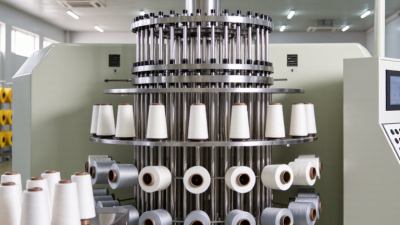
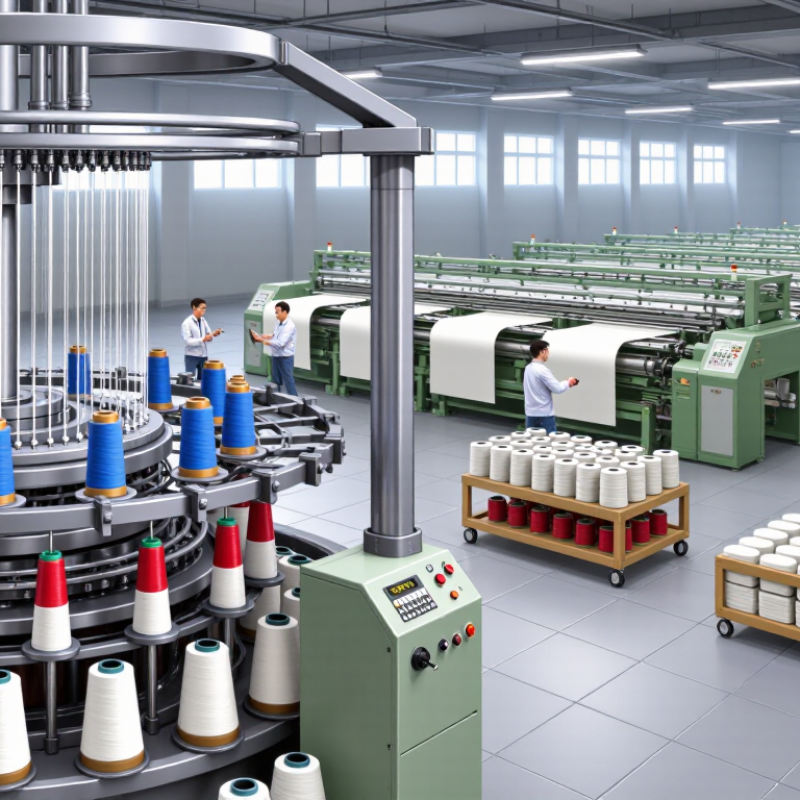
A weaving bobbin winder prepares yarn for shuttle or loom use by transferring it onto a small, stable bobbin. The machine guides yarn from a supply cone and winds it under controlled tension. It usually includes a drive motor, spindle, yarn guide, tension device, and bobbin holder. The goal is simple: produce a firm package that unwinds smoothly without crushing or snagging.
The process begins when the operator places an empty bobbin on the spindle. As the spindle rotates, the yarn guide moves across the bobbin’s width. This creates an even crosswise pattern instead of building yarn in one weak pile. Adjustable tension keeps the yarn compact, while speed control helps match delicate or heavy yarns. A stop mechanism may limit the filling level and prevent over-winding. Small errors matter. Excessive tension can stretch elastic fibers or flatten soft yarn.
From practical use, consistency depends on more than motor power. The spindle must run with minimal vibration, and the guide should change direction smoothly. Operators should check bobbin alignment, yarn path, and package hardness during production. Some machines handle one bobbin at a time, while others support multiple positions for higher output. Automatic features save labor, but they can hide setup mistakes. I have found that a carefully adjusted basic winder often performs better than a faster machine with poor tension control. That part is easy to underestimate. When comparing equipment, examine usable winding range, adjustment precision, maintenance access, and compatibility with the yarn types used in your weaving process.
Key Features to Compare in Weaving Bobbin Winder Machines
Top Weaving Bobbin Winder Manufacturers Buyers Guide
When comparing weaving bobbin winding machines, start with winding quality, not advertised speed. Yarn tension should remain stable as the package diameter grows. Uneven tension creates soft edges, ribboning, and stoppages at the loom. Ask for test packages using your actual yarn, count, moisture level, and target density.
ITMF’s International Textile Machinery Shipment Statistics 2023 reported about 82,000 shuttleless looms shipped globally, a 39% decline from 2022. This contraction makes dependable machine utilization more important. Compare winding speed, acceleration control, traverse precision, and automatic doffing time. Also inspect the package under side lighting. Small ridges can reveal poor traverse control. A higher speed number can mislead.
Control systems deserve equal attention. Useful features include programmable tension settings, break detection, recipe storage, and production data exports. Check whether sensors identify empty tubes before they reach the weaving floor. Operators should adjust settings without complicated menus. Maintenance access matters too. A cramped spindle area increases cleaning time and encourages shortcuts. That is not theoretical.
Energy performance requires careful measurement. The U.S. Department of Energy notes that compressed-air systems can lose 20–30% of output through leaks and inefficient use. Ask manufacturers to separate machine consumption from plant-air consumption. Compare energy per kilogram of wound yarn, not only motor ratings. Request service intervals, spare-part lead times, noise data, and acceptance-test procedures. Independent testing is preferable, although it costs more. Some buyers still underestimate software compatibility and operator training. That mistake deserves review.
How to Evaluate Weaving Bobbin Winder Manufacturers
When evaluating weaving bobbin winder manufacturers, begin with the machine’s fit for your production line. Check bobbin dimensions, winding speed, yarn tension range, and control accuracy. Ask for test data under conditions similar to yours. A polished brochure is not enough. Request sample winding with your actual yarn, not only standard materials. Examine edge formation, density consistency, and yarn breakage after several cycles.
Manufacturer experience matters most when it appears in practical details. Ask how the company handles changing yarn counts, frequent format adjustments, and operator training. Review maintenance records, spare-part availability, and response times from comparable installations. A reliable supplier should explain limitations clearly. Vague promises deserve caution. Factory visits can reveal useful evidence, including inspection routines, calibration tools, and workplace organization. Speak with current users when possible, but verify their comments independently.
Price needs context. Compare total operating costs, energy use, rejected bobbins, and expected service intervals. A lower purchase price may hide expensive downtime. Evaluate software updates and technical support before signing any agreement. I once underestimated training requirements, and the early production losses were avoidable. That mistake changed my evaluation process. Still, no checklist is perfect. Test the equipment with difficult yarn conditions and record the results. Choose the manufacturer that provides measurable evidence, communicates openly, and supports improvement after delivery.
Important Factors for Buyers Before Placing an Order
When choosing a weaving bobbin winder manufacturer, buyers should examine more than catalog speed. The International Textile Machinery Federation reported 2023 shipments of approximately 9.5 million short-staple spindles worldwide. This signals strong textile investment, but it does not prove every winder suits your process. Ask for tested output using your yarn count, twist level, and bobbin dimensions.
Check winding tension, package hardness, traverse accuracy, and automatic stop performance. A stable machine should produce evenly shaped packages under real production conditions. Request test samples, not only videos. Measure yarn breaks during an eight-hour trial. Small defects can become costly during weaving.
Energy data deserves attention. The International Energy Agency states that industrial motors account for about 70% of industrial electricity use. A winder’s motor, suction system, and compressor can therefore affect operating cost. Ask for measured power consumption per kilogram, not a general efficiency claim. Also verify spare-part lead times, training, software support, and maintenance access. ISO 9001 certification may indicate controlled processes, but it cannot replace machine trials or reference checks. One uncomfortable point remains: buyers often compare purchase prices while ignoring downtime. We did this once, and the cheaper option became expensive within months. Performance assumptions should be written into the order. Recheck every figure.
Maintenance, Safety, and After-Sales Support Requirements
When evaluating weaving bobbin winder manufacturers, inspect maintenance requirements before comparing prices. A dependable machine should provide clear lubrication points, tension settings, and replacement-part diagrams. Ask how often operators must remove lint from the spindle, sensor, and drive area. In a busy workshop, ten minutes of daily cleaning can prevent uneven winding and avoidable stoppages. Request records from similar installations, not only polished product claims. My practical concern is simple: some manuals look complete but omit small adjustments technicians actually need. That gap deserves direct questions.
Safety features should be visible and testable during a demonstration. Check emergency-stop response, guarded rotating parts, electrical protection, and safe threading access. The control panel should display fault messages operators understand. Ask whether training covers lockout procedures, inspection routines, and restart checks after a jam. A quiet motor is useful, but it does not prove safe operation. Observe the machine at normal speed and during a controlled stop. Small details matter.
Tips: Keep a dated maintenance log beside the machine. Measure winding tension after every major material change. Store critical spare sensors, belts, and fuses locally. Confirm remote support hours, response targets, and escalation contacts before purchase. Ask for hands-on training, video instructions, and service documentation in your working language. Test after-sales support with a technical question before signing. The reply often reveals more than a brochure. Do not assume every fault is operator error. Review the design, training, and working environment too.
Top Weaving Bobbin Winder Manufacturers Buyers Guide: Maintenance, Safety, and After-Sales Support Requirements
This chart presents practical planning benchmarks for evaluating weaving bobbin winders. Maintenance and safety activities are shown as recommended maximum intervals in days, while after-sales support is represented by the target response time for a non-critical technical inquiry.