2026 How to Choose the Best Weaving Loom?
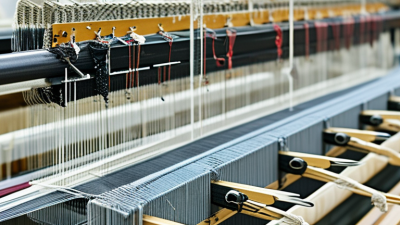
Choosing the best weaving loom in 2026 requires more than comparing speed, width, or purchase price. The right machine must match your fiber, fabric structure, production volume, maintenance skills, and energy conditions. A loom that performs beautifully with cotton may struggle with coarse wool or delicate recycled yarns. Small details matter. Check warp tension, shed formation, shuttle movement, vibration, and operator visibility during a live demonstration.
Industry data provides useful direction, but it cannot replace practical testing. Textile Exchange’s Materials Market Report 2024 recorded global fiber production at approximately 124 million tonnes in 2023. It projects continued growth toward 160 million tonnes by 2030. This expansion may increase demand for flexible and resource-efficient weaving equipment. The ITMF International Textile Machinery Shipment Statistics also shows how investment patterns vary across textile-producing regions. These reports suggest opportunity, not certainty. Market forecasts can change quickly.
William Morris, a respected textile designer and weaving pioneer, advised, “Have nothing in your houses that you do not know to be useful, or believe to be beautiful.” His principle still fits modern loom selection. A weaving loom should create consistent fabric, reduce avoidable waste, and support the people using it. Do not trust impressive brochures alone. Ask for fabric samples, noise measurements, power consumption, spare-parts availability, and service records. I would also question my own assumptions. The fastest loom is not always the most profitable. The newest loom may not be the easiest to maintain.
Types of Weaving Looms and Their Main Uses
How to Choose the Best Weaving Loom in 2026
Choosing a loom starts with the fabric you want to make. A backstrap loom suits portable work, narrow bands, and traditional patterned textiles. It needs little space, but maintaining even tension takes practice. A frame loom works well for wall hangings, samples, and small art pieces. Its open structure makes textured yarns easy to place. However, large projects can become slow and awkward.
A rigid heddle loom is practical for scarves, towels, and beginner clothing fabrics. It handles plain weave efficiently and supports several yarn weights. A table loom offers more shafts for twills, lace, and controlled patterning. It fits smaller studios, though frequent hand movements may feel tiring. Floor looms provide greater width and treadle control. They are suitable for blankets, garments, and regular production. Measure your workspace carefully. Doorways are easy to forget.
Jacquard looms create complex images and repeating motifs through individual warp control. They demand more planning, threading accuracy, and maintenance knowledge. Tapestry looms are better for dense pictorial work than fast yardage. Before choosing, check the loom’s width, shaft number, tension system, and replacement parts. In my first workshop, I chose too much complexity and used only basic structures. That mistake taught me to match tools with real habits, not imagined ambitions. Sit at the loom if possible. Test the pedals, reach, and weaving height. A comfortable setup often produces better work than a more advanced machine.
2026 How to Choose the Best Weaving Loom?
Types of Weaving Looms and Their Main Uses
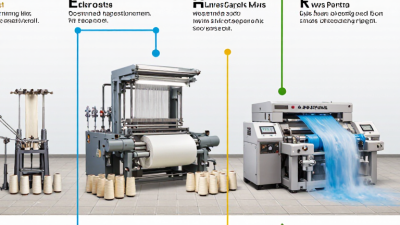
This chart compares common weaving loom types by the number of major application areas they typically support.
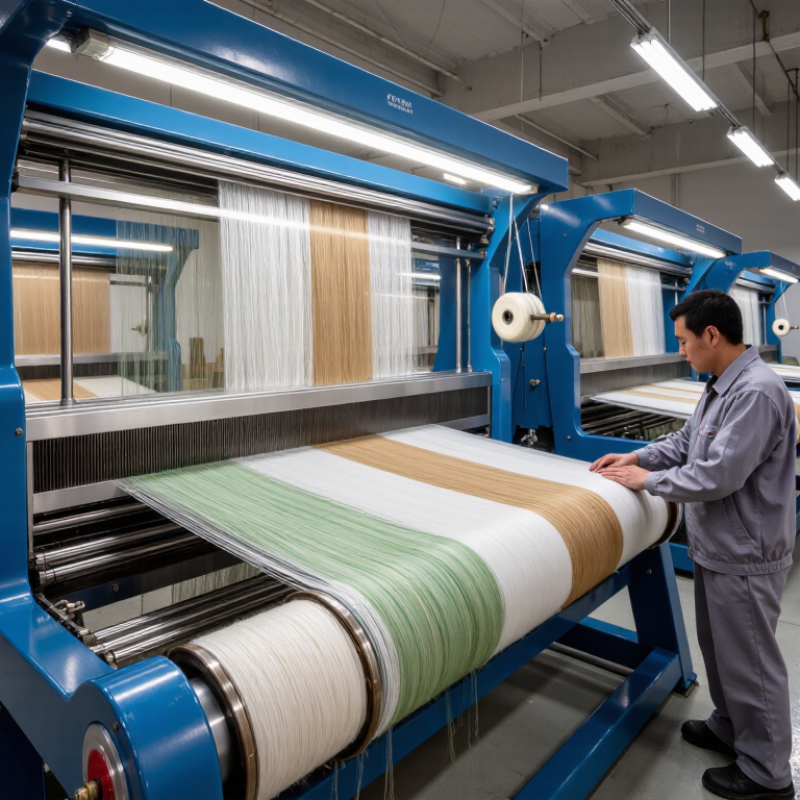
Hand and floor looms are widely used for crafts, rugs, apparel, and home textiles, while industrial rapier,
air-jet, and projectile looms are mainly selected for high-volume fabric production and technical textiles.
The application score represents the number of listed categories commonly associated with each loom type, not market share.
How to Match a Loom With Your Skill Level and Weaving Goals
How to Choose the Best Weaving Loom in 2026
Choosing a loom becomes easier when your skill level guides the decision. Beginners often benefit from a simple table loom or rigid-heddle loom. These designs make threading, tension, and basic patterns easier to understand. A narrower weaving width can also reduce frustration. Start small. You can finish a scarf without managing a large frame.
Your goal matters just as much. For quick samples, choose a compact loom with straightforward adjustments. For clothing fabric, look for a wider weaving area and smooth warp control.
If you want detailed patterns, a multi-shaft loom offers more control over structure. Tapestry work needs different priorities, including strong edges and easy access to the warp.
Consider your workspace too. A floor loom may suit serious production, but it needs stable flooring and regular maintenance.
Practical experience teaches that specifications do not tell the whole story. I once underestimated how tiring a narrow bench could become during long weaving sessions. My technique improved, but the setup still felt wrong. Check the loom’s working height, treadle reach, and shed visibility before buying. Ask whether replacement parts and clear instructions are available. Experienced weavers can explain these details, but your hands must test the fit. A loom should support your practice, not force you to copy someone else’s pace.
Essential Features, Accessories, and Workspace Requirements
2026 How to Choose the Best Weaving Loom?
The best loom fits your projects, body, and available space. Check the frame before admiring its appearance. A rigid frame reduces vibration and keeps warp threads aligned. Adjustable tension matters too. It helps maintain an even shed when yarn thickness changes. Test the treadles or levers for smooth movement. They should not require force. A comfortable weaving width is often more useful than a large one. Measure your usual fabric before choosing.
Small parts deserve equal attention. Essential accessories include a suitable reed, heddles, shuttles, bobbins, lease sticks, and a warping tool. Confirm that replacements are easy to obtain. This detail is often missed. A dense reed can handle fine yarn, while wider spacing suits bulky fibers. Keep a tape measure nearby. I once chose a reed by guesswork and spent hours correcting uneven edges. That mistake still influences my buying checklist.
Your workspace needs stable flooring and a chair that supports upright posture. Leave enough room behind the loom for dressing the warp. Allow clear space beside it for tools and yarn storage. Natural light helps, but adjustable task lighting prevents eye strain during detailed work. Keep cords and loose fibers away from walking paths. A quiet, ventilated room improves concentration, though comfort depends on personal sensitivity. Try a short session before committing. A loom can look perfect and still feel wrong after thirty minutes.
How to Evaluate Cost, Maintenance, and Long-Term Value
Choosing a weaving loom in 2026 requires more than comparing purchase prices.
Textile Exchange’s 2024 Materials Market Report recorded global fiber production at 124 million metric tonnes in 2023. That scale increases pressure on mills to control waste, energy, and downtime. A cheaper loom may become expensive when it needs frequent calibration, specialist repairs, or unavailable parts.
Calculate total cost over five to ten years. Include installation, training, electricity, lubrication, spare parts, and lost production hours.
The International Energy Agency reported that industry used about 37% of global final energy in 2022. Therefore, measure the loom’s actual power consumption during startup, steady weaving, and idle periods. A simple meter can reveal surprising losses. Maintenance access also matters. Check whether operators can safely clean sensors, inspect heddles, and replace common wear parts without dismantling the frame.
Tips:
Request maintenance records from comparable mills. Ask for average repair time, not only warranty length. Inspect a running loom with fabric loaded. Listen for irregular tapping. Touch the control cabinet carefully, if permitted. Excess heat may indicate poor ventilation or electrical stress. Choose modular components and documented service procedures. These features can protect long-term value, though they may raise the initial price. I would not trust a perfect payback forecast; yarn type, operator skill, and local service quality can change the result. Textile machinery decisions remain partly technical and partly practical.