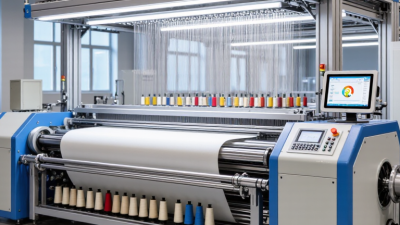
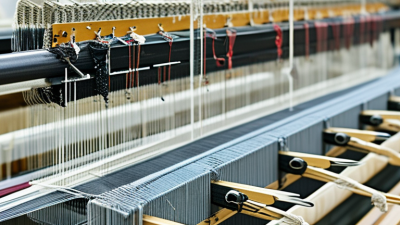
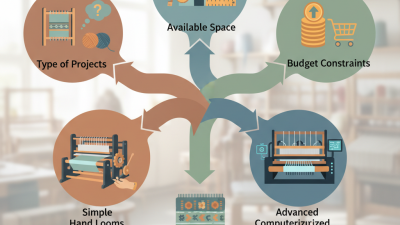
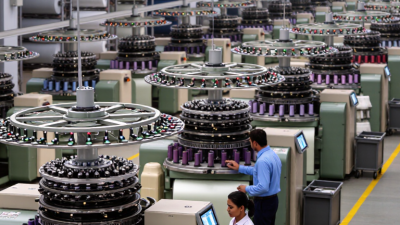
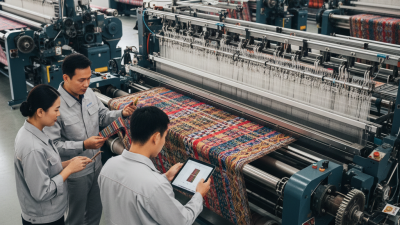
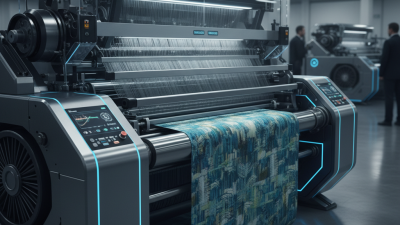
Choosing the right weaving machine can shape production quality, labor costs, and delivery reliability. Global buyers face different challenges in workshops, factories, and small creative studios. A machine that performs well in Germany may not suit a humid coastal workshop. Power supply, available space, operator skill, and fabric type all matter.
This guide reviews seven weaving machines for international buyers. Each option is considered through practical criteria, including frame strength, control systems, weaving speed, maintenance access, and spare-part availability. We also examine whether the machine supports cotton, wool, linen, or blended yarns. Clear product documentation can prevent expensive mistakes. So can checking voltage requirements before shipping.
Some machines prioritize affordable entry-level production. Others offer automated tension control and faster output. Several balance traditional handling with modern engineering. The best choice depends on your actual workflow, not impressive specifications alone. No machine is perfect. A low-cost model may require more manual adjustment. An advanced model may demand trained technicians and regular servicing.
Our comparison focuses on dependable information and realistic operating conditions. It considers what buyers may experience after installation, including noise, cleaning, calibration, and replacement-part delays. These details often receive less attention during purchasing. They should not.
Readers can use this overview to compare machines with greater confidence. Still, local testing remains valuable whenever possible. Ask suppliers for sample fabric, service terms, warranty coverage, and verified production figures. A careful decision begins with honest questions.
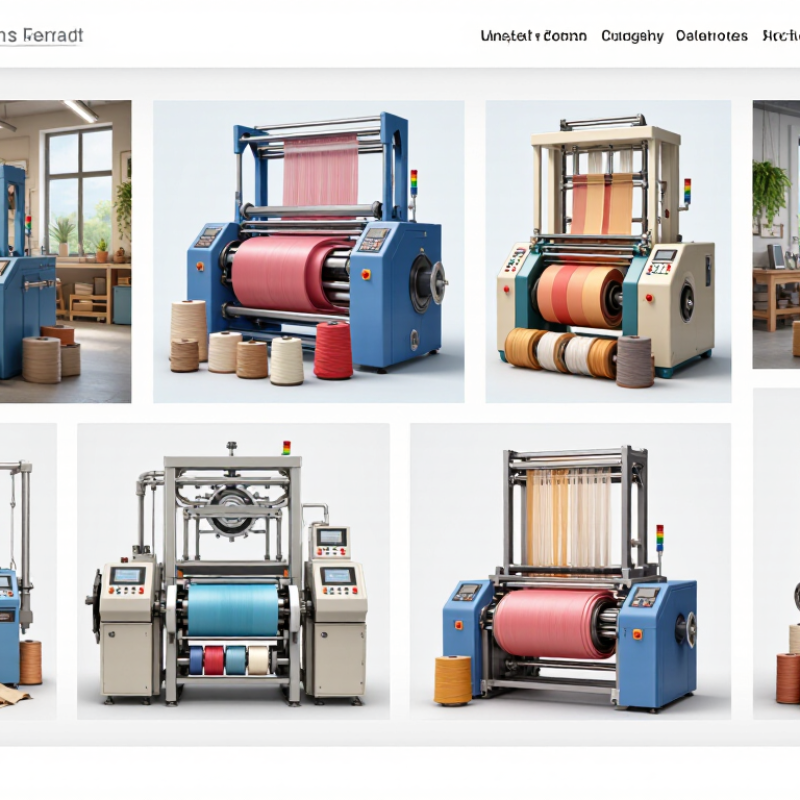
The 2023 ITMF International Textile Machinery Shipment Statistics report shows weaker global demand for shuttleless looms. Shipments were approximately 123,000 units, reflecting a year-on-year decline. This contraction matters to global buyers. It signals cautious investment, slower fabric orders, and tighter machinery budgets. Yet demand remains active in major textile-producing regions.
A practical loom shortlist should begin with fabric purpose, not machine appearance. Buyers producing denim, home textiles, or technical fabrics need different insertion systems and working widths. Check actual output at the intended yarn count. Ask for test weaving using your own yarn. A clean sample fabric can reveal tension problems that brochures hide.
Energy use is another purchasing filter. The ITMF data shows why efficiency deserves closer attention during uncertain market cycles. Compare motor consumption, compressed-air demand, maintenance access, and spare-part availability. The machine should also support local safety requirements and documented operator training. ISO 9902 provides a useful reference for measuring textile machinery noise emissions.
Do not trust every forecast. Market reports describe trends, not your factory. A low purchase price may create higher costs through waste, downtime, or difficult calibration. I would request a twelve-month operating estimate, including electricity, consumables, service visits, and expected fabric loss. That calculation is imperfect, but it is more honest than choosing by catalog speed alone.
7 Best Weaving Machines for Global Buyers?
A reliable comparison starts with picks per minute, not advertising speed. In a factory trial, record output during a full shift, including stops, thread breaks, and style changes. A machine producing 900 picks per minute may deliver less than one running at 780. Operator skill also changes results. Measure both rated and practical output.
Width affects product range and floor planning. Check the usable weaving width, not only the maximum setting. A 190-centimeter machine may suit home textiles, while a 280-centimeter model supports wider industrial fabric. Energy use deserves equal attention. Record kilowatt-hours per finished meter under normal production. Motors, compressors, heating systems, and standby modes can distort simple comparisons. Small losses accumulate.
Five-year TCO should combine purchase price, installation, training, spare parts, labor, energy, maintenance, and expected downtime. Request service records and calculate costs per operating hour. My early comparisons focused too much on speed. That was a mistake. A slower machine with stable tension may create fewer defects and lower waste. Currency changes and local technician access can also weaken a neat spreadsheet. Leave a realistic contingency, perhaps 10 to 15 percent, and verify every supplier estimate through a supervised production test.
| Machine Type | Typical Best Use | Picks per Minute | Usable Width | Connected Load | Electricity Use* | Estimated 5-Year TCO** | Main Advantages | Key Limitations |
|---|---|---|---|---|---|---|---|---|
| High-Speed Air-Jet Loom | Light to medium-weight apparel fabrics, sheeting, and synthetic blends | 700–1,000 | 190–360 cm | 22–35 kW | 0.09–0.16 kWh per 100 picks | US$390,000–650,000 | Very high production speed; excellent for large-volume orders and consistent fabric constructions | Requires compressed air; higher noise and air-system maintenance costs |
| Electronic Rapier Loom | Fashion fabrics, upholstery, technical textiles, and frequent style changes | 450–650 | 190–340 cm | 8–18 kW | 0.06–0.11 kWh per 100 picks | US$270,000–480,000 | Flexible weft insertion; handles many yarn types and complex patterns with good control | Lower maximum speed than air-jet technology; more moving parts in the insertion system |
| Water-Jet Loom | Hydrophobic filament fabrics, lining fabrics, and lightweight polyester materials | 700–1,200 | 150–230 cm | 15–25 kW | 0.05–0.10 kWh per 100 picks | US$210,000–370,000 | High speed, relatively low electrical demand, and efficient insertion for suitable synthetic yarns | Needs water treatment and wastewater management; unsuitable for moisture-sensitive fibers |
| Projectile Loom | Heavy fabrics, woolens, industrial cloth, and wide-width materials | 300–450 | 200–540 cm | 10–20 kW | 0.08–0.15 kWh per 100 picks | US$420,000–780,000 | Strong weft insertion and wide working widths; suitable for demanding and heavier constructions | Higher initial investment and more complex projectile, gripper, and maintenance systems |
| Dobby Rapier Loom | Decorative fabrics, shirtings, home textiles, and medium-complexity geometric designs | 400–600 | 190–320 cm | 9–17 kW | 0.06–0.12 kWh per 100 picks | US$290,000–510,000 | Good balance of design capability, fabric flexibility, and operating cost | Pattern capacity is below that of a full electronic jacquard setup |
| Electronic Jacquard Loom | Complex upholstery, damask, furnishing fabrics, and customized patterned textiles | 250–500 | 160–320 cm | 12–24 kW | 0.10–0.19 kWh per 100 picks | US$460,000–850,000 | Highly flexible individual warp-yarn control; ideal for intricate and high-value designs | Higher capital cost, slower production, and greater electronic-system service requirements |
| Narrow Fabric Needle Loom | Labels, tapes, elastic bands, webbings, and narrow technical fabrics | 600–1,200 | 20–300 mm | 3–8 kW | 0.02–0.06 kWh per 100 picks | US$95,000–220,000 | Low energy demand, compact footprint, and efficient production of narrow-width goods | Not suitable for standard apparel-width or wide home-textile fabrics |
Rapier looms offer flexible production for global buyers, especially when fabrics require varied yarns, widths, or weft colors. Modern machines can reach speeds up to 1,000 picks per minute, but that figure describes a peak condition, not everyday output. Actual performance depends on fabric density, yarn strength, loom width, and stoppage frequency. A dense upholstery fabric may run far slower than a lightweight shirting fabric.
The market still supports this flexibility. Textile Exchange’s Materials Market Report 2024 recorded global fiber production at approximately 124 million tonnes in 2023, with demand projected to reach about 160 million tonnes by 2030. ITMF’s International Textile Machinery Shipment Statistics also tracks continued investment in shuttleless weaving equipment across major manufacturing regions. These figures suggest strong capacity needs, but they do not guarantee equal demand for every loom type.
Buyers should examine usable production, not only headline speed. Ask for measured efficiency, typically calculated after warp breaks, weft stops, and maintenance pauses. A 900-pick setting may produce less than an 800-pick setting if yarn tension is unstable. Small details matter: clean shed formation, accurate rapier timing, and accessible sensors can reduce damaged fabric. I have seen production plans fail when sample-room results were treated as factory results. The technology is capable. The assumptions need more testing.
For global buyers, the seven best weaving machines are not chosen by speed alone. Air-jet and water-jet looms can exceed 1,200 picks per minute under suitable conditions. This output suits high-volume production of stable fabrics. Air-jet models use controlled air streams to insert weft yarns quickly. They work well with cotton, synthetics, and blended materials. Water-jet looms use fine water streams and often perform efficiently with smooth, water-resistant filament yarns.
Machine selection should begin with fabric requirements. Check yarn count, fabric width, density, and permitted moisture levels. A wider air-jet loom may support flexible production, while a water-jet loom can deliver excellent speed for specific filament fabrics. In my experience, small tension changes can create visible defects near the selvedge. That detail is easy to underestimate. It should not be.
Buyers should also compare energy use, compressor demand, drying systems, maintenance access, and operator training. A machine running above 1,200 picks per minute is impressive, but only when fabric quality remains consistent. Water-jet systems require reliable water treatment and responsible wastewater management. Air-jet systems may increase air consumption and operating costs. I would test representative yarns before signing a purchase agreement. Trial results often challenge the brochure.
The best choice is the machine that balances speed, fabric quality, local utilities, service support, and long-term reliability.
For global buyers, seven weaving options deserve attention: air-jet, water-jet, rapier, projectile, jacquard, dobby, and narrow-fabric needle looms. Air-jet machines suit high-volume apparel fabrics and offer excellent speed. Water-jet machines perform well with synthetic yarns, but water treatment increases operating costs. Rapier looms provide flexible production for cotton, wool, and technical textiles. Projectile looms handle heavy fabrics, upholstery, and industrial cloth with stable weft insertion. Jacquard looms create complex motifs for fashion, labels, and home textiles. Dobby looms produce repeated geometric patterns with lower programming complexity. Narrow-fabric looms target ribbons, tapes, elastic bands, and safety webbing.
ROI depends on utilization, not headline speed. According to ITMF’s 2023 International Textile Machinery Shipment Statistics, shuttleless loom shipments declined from approximately 151,000 units in 2022 to 108,000 in 2023. Capital timing matters. Textile Exchange reported global fiber production reached 124 million tonnes in 2023 and may reach 160 million tonnes by 2030. This supports long-term capacity demand, but not every plant needs a jacquard system. A projectile loom may deliver steadier returns for heavy fabric orders. A narrow-fabric loom can recover investment faster when contracts provide continuous, repeat production. ROI is never perfectly linear. Energy, labor, maintenance, downtime, and rejected fabric can change the result.
Tips: Compare five-year cost per meter, not purchase price alone. Request trial weaving with your actual yarn and pattern. Check power consumption at production speed. Leave room for maintenance access. A cheaper loom can become expensive when spare parts arrive slowly.