China Top 10 Bobbin Winder Sewing Machine Manufacturers?
Choosing a bobbin winder sewing machine supplier is not just a matter of comparing product photos. Buyers need to consider winding consistency, operating speed, compatibility with thread types, and the support available after delivery. A poorly matched machine can produce uneven bobbins, slow production, or require adjustments that staff did not expect.
China has a broad manufacturing base, but suppliers differ in their equipment, experience, and service capabilities. This guide introduces ten manufacturers for buyers to research, with attention to product range, customization options, quality practices, and communication. Details can change, so confirm current specifications directly with each company. Ask for clear information about winding capacity, applicable bobbin sizes, voltage, spare parts, and warranty terms. A sample test helps.
Real conditions matter. A machine that performs well in a showroom may behave differently with your thread, bobbins, and daily workload. Request product documentation and, where practical, discuss a trial before placing a large order. The rankings should be treated as a starting point, not a guarantee of suitability. Some supplier information may be difficult to compare consistently; that is a limitation worth noting. Careful verification can help buyers shortlist manufacturers that fit their production needs and budget.
What Is a Bobbin Winder Sewing Machine?
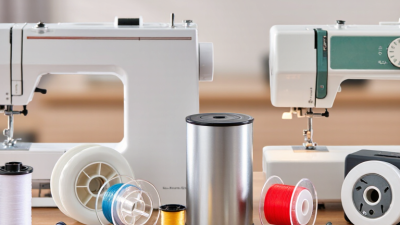
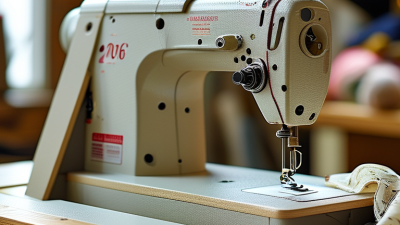
A bobbin winder sewing machine uses a small mechanism to wrap thread evenly around a bobbin before stitching. On many domestic machines, the winder sits on the top or side of the machine. A thread guide and tension disc help control the flow, while a spindle holds the bobbin in place. When engaged, the spindle turns and fills the bobbin with thread.
It sounds simple, and mostly it is. The bobbin supplies the lower thread that forms stitches with the needle thread. Even winding matters: a loose or uneven bobbin can cause inconsistent stitches, thread tangles, or pauses during sewing. Many machines stop winding automatically when the bobbin is full, though the feature and setup vary by model. Check the machine’s manual for the correct threading path.
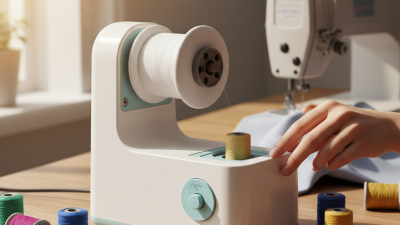
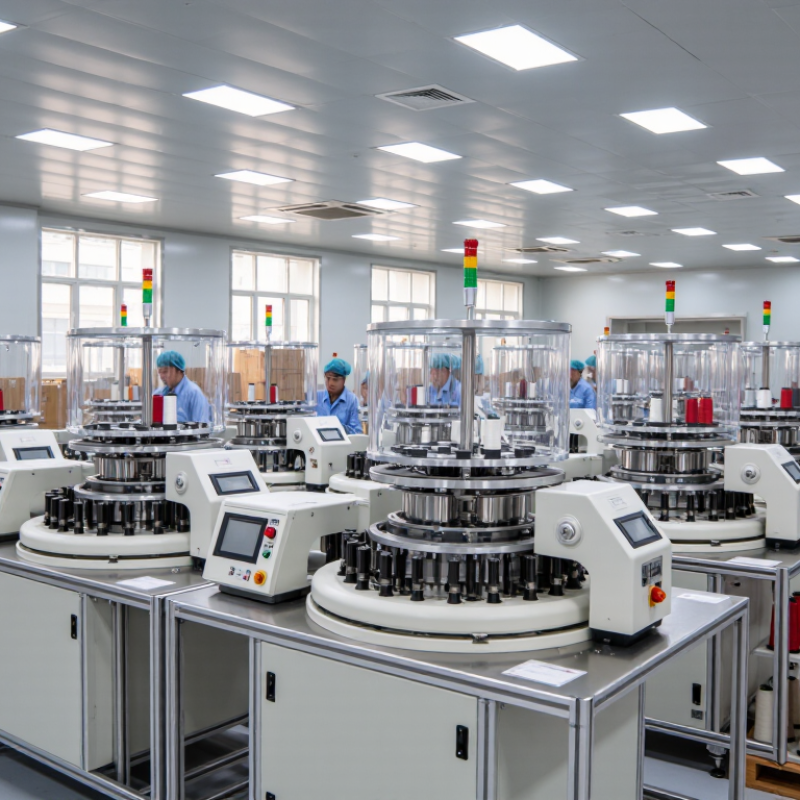
Some industrial setups use a separate electric bobbin winder, which can prepare bobbins while the sewing machine is in use. A user can watch for thread crossing neatly from edge to edge and avoid winding too tightly. Small details count. The first few wraps may need guiding by hand, and that can feel awkward until the routine becomes familiar. A bobbin winder does not sew by itself; it prepares a steady lower-thread supply for sewing.
China Top 10 Bobbin Winder Sewing Machine Manufacturers? - What Is a Bobbin Winder Sewing Machine?
A bobbin winder is a sewing-machine mechanism or standalone device that transfers thread from a spool onto a bobbin. The table below presents ten practical criteria for assessing manufacturers and equipment; it is not a ranking of named companies.
| No. |
Evaluation dimension |
What to check |
Why it matters |
| 1 |
Winder configuration |
Confirm whether the winder is built into a sewing machine or supplied as a separate unit. |
Integrated winders save workspace; standalone units can wind bobbins independently of sewing. |
| 2 |
Bobbin compatibility |
Check bobbin dimensions, spindle fit, and compatibility with the intended sewing-machine model. |
Bobbin sizes and designs are not universal, so fit should be verified before purchase. |
| 3 |
Thread compatibility |
Ask which thread types and thicknesses the equipment is designed to handle. |
Thread properties affect winding consistency and the amount of thread a bobbin can hold. |
| 4 |
Automatic stop |
Determine whether the winder stops automatically when the bobbin is full or requires manual control. |
An automatic stop can help prevent overfilling and reduce operator attention. |
| 5 |
Winding consistency |
Assess whether thread is distributed evenly across the bobbin during winding. |
Uneven winding can affect thread delivery during sewing and may require rewinding. |
| 6 |
Speed control |
Check whether winding speed is fixed or adjustable and whether operation remains stable at the selected setting. |
Suitable speed control helps operators match winding to the thread and production task. |
| 7 |
Tension adjustment |
Look for an accessible thread-tension adjustment and instructions for setting it correctly. |
Consistent tension helps produce a firm, orderly winding without excessive looseness or tightness. |
| 8 |
Safety and guarding |
Review moving-part protection, electrical safety information, and operating instructions for the intended workplace. |
Appropriate safeguards and clear instructions support safer setup and use. |
| 9 |
Maintenance and spare parts |
Ask about cleaning requirements, replaceable components, spare-part availability, and service support. |
Clear maintenance provisions can reduce downtime over the equipment’s service life. |
| 10 |
Quality verification and documentation |
Request product specifications, inspection details, warranty terms, and applicable conformity documents. |
Documentation helps buyers compare equipment and verify that it meets their purchasing and market requirements. |
Buyer tip: Request a sample winding test using the intended bobbin and thread, then check bobbin fit, winding uniformity, stopping behavior, and operating instructions.
China’s Bobbin Winder Sewing Machine Industry at a Glance
China’s Bobbin Winder Sewing Machine Industry at a Glance
China’s bobbin-winder sewing-machine industry sits within a much larger textile and garment supply chain. China’s textile and apparel exports reached about US$293.6 billion in 2023, according to figures reported by the China National Textile and Apparel Council. This does not measure bobbin-winder sales directly. Still, it signals the scale of manufacturing demand that supports sewing equipment and component suppliers. Across production floors, compact winders help keep bobbins ready, reduce thread interruptions, and support steadier machine use. The market is varied: buyers can find simple standalone units as well as winders designed for specific production setups. The picture is useful, but not complete. Public data rarely separates bobbin winders from broader sewing machinery.
Tips: Check winding consistency with the thread you actually use. Look for even tension, secure mounting, and easy access to replacement parts. Ask for a sample run. A smooth demo is not always a smooth shift.
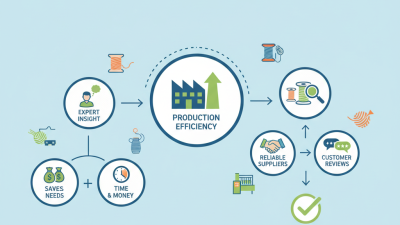
For buyers comparing Chinese manufacturers, examine the details behind the specification sheet. Confirm winding speed, bobbin compatibility, motor type, and the range of thread weights tested. Ask how the supplier checks alignment and tension during assembly. These small points affect whether a bobbin fills evenly or slips during sewing. Request operating instructions and a clear parts list before ordering. Factory capacity can be helpful, but it does not prove that every model suits your line. A careful trial matters.
How to Evaluate Chinese Bobbin Winder Manufacturers
When evaluating Chinese bobbin winder manufacturers, look beyond catalog specifications. Ask for winding-speed ranges, compatible bobbin sizes, tension-control options, and documented test results. Request a live demonstration using your thread and bobbins. Watch for uneven layers, thread breaks, vibration, and whether the machine stops consistently at the set fill level. These details reveal more than a polished product photo.
Check how the supplier controls quality across production, not just whether it holds a certificate. ISO’s 2022 Survey reported 1,265,216 valid ISO 9001 certificates worldwide; this broad, cross-industry figure shows how common quality-management certification is, but it does not prove that a specific winder performs well. Ask for inspection records, calibration procedures, sample-unit acceptance criteria, and a written warranty. Confirm spare-part availability and technical support response times. A factory may answer quickly before an order, yet provide slower support afterward. Test that assumption.
Tips: Send the same sample thread to several shortlisted suppliers and compare winding consistency. Ask each to explain its test method in writing. If results vary, request another trial; one successful sample is not enough.
Profiles of 10 Leading Bobbin Winder Manufacturers in China
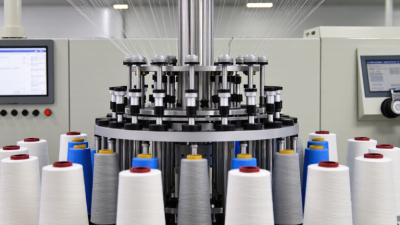
China’s bobbin winder manufacturers vary in scale and specialization. One focuses on compact bench machines for small workshops, with clear tension controls and accessible thread guides. Another builds higher-output units for production floors, where stable winding speed matters. A third offers models for several bobbin sizes. Changeovers still take time.
A fourth manufacturer emphasizes adjustable winding tension, useful when thread types differ. A fifth pairs winders with sewing-equipment accessories, helping buyers coordinate setup. A sixth makes straightforward machines for routine maintenance and operator training. Its controls are simple. A seventh focuses on electronic settings, including speed adjustment and winding-count displays. Buyers should confirm how easily settings can be checked and repeated.
An eighth supplier offers customized configurations for specific production needs, though custom work may require longer lead times. A ninth highlights durable frames and replaceable wear parts, details worth verifying through service documentation. The tenth serves export buyers with multilingual manuals and remote technical support. These profiles describe common strengths, not verified rankings. Before choosing, request a sample run, inspect winding consistency, and ask about spare-part availability. A neat catalog is not enough. Real production conditions can expose small problems, such as uneven tension or awkward bobbin loading.
Bobbin Winding: Key Process Stages
A process overview relevant to bobbin winder sewing machine manufacturers in China
The chart presents the usual sequence of bobbin winding operations, from placing an empty bobbin to removing the finished bobbin. The values indicate process order, not company performance or machine specifications.
Comparing Product Range, Quality, and After-Sales Support
When comparing China’s bobbin winder sewing machine manufacturers, look beyond model counts. A broad range may include compact bench-top winders, automatic units, and machines designed for different bobbin sizes. Check whether a supplier can explain winding speed, tension adjustment, and compatibility with your sewing equipment. Ask for a specification sheet and a short operating video. Small details matter: a clear tension dial is easier to adjust than a vague control marked only with numbers.
Quality shows up in repeat use. Ask how the machine handles a full day of winding, and whether its frame stays steady on a worktable. Request details on motor ratings, spare-part availability, and inspection procedures. A sample run can reveal uneven winding that a catalogue photo cannot. Look closely at the bobbin edges. They should be neat.
After-sales support deserves equal attention. Confirm response times, warranty coverage, and whether instructions are available in a language your operators understand. Ask how replacement parts are identified and shipped. A helpful supplier will answer practical questions without relying only on broad claims. Still, comparisons have limits: a factory visit or sample test may not reflect every production batch. That uncertainty is worth noting. Keep written records of promised specifications and support terms before placing an order.