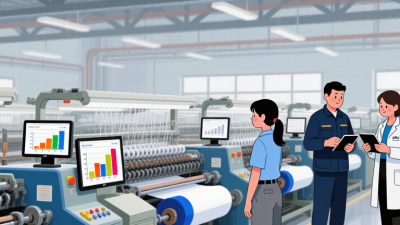
Choosing a weaving machine is a major decision for any textile mill. The right equipment affects fabric quality, production speed, energy use, and daily maintenance. Yet specifications alone rarely tell the whole story. A loom that performs well with lightweight apparel fabric may not suit heavy industrial textiles.
This guide introduces ten prominent weaving machine manufacturers from around the world. It considers factors such as machine types, automation, operating flexibility, technical support, and the applications each company serves. Air-jet, rapier, projectile, and water-jet looms each address different production needs. Buyers should compare these options against their yarns, fabric designs, floor space, and workforce skills. Small details matter.
A global list cannot capture every regional specialist or every mill’s experience. No list is perfect. Company offerings change, and local service availability can vary considerably. For that reason, the manufacturers featured here should be treated as a starting point for research, not a universal ranking. Before investing, review current technical documents, request references for similar production lines, and assess spare-parts support in your region. One practical question deserves attention: how easily can the machine handle a change in fabric style? That answer may matter more than a headline speed figure. Manufacturers’ claims also need context, since results depend on materials, settings, and operator experience. This overview aims to make the comparison clearer, while leaving room for careful verification.
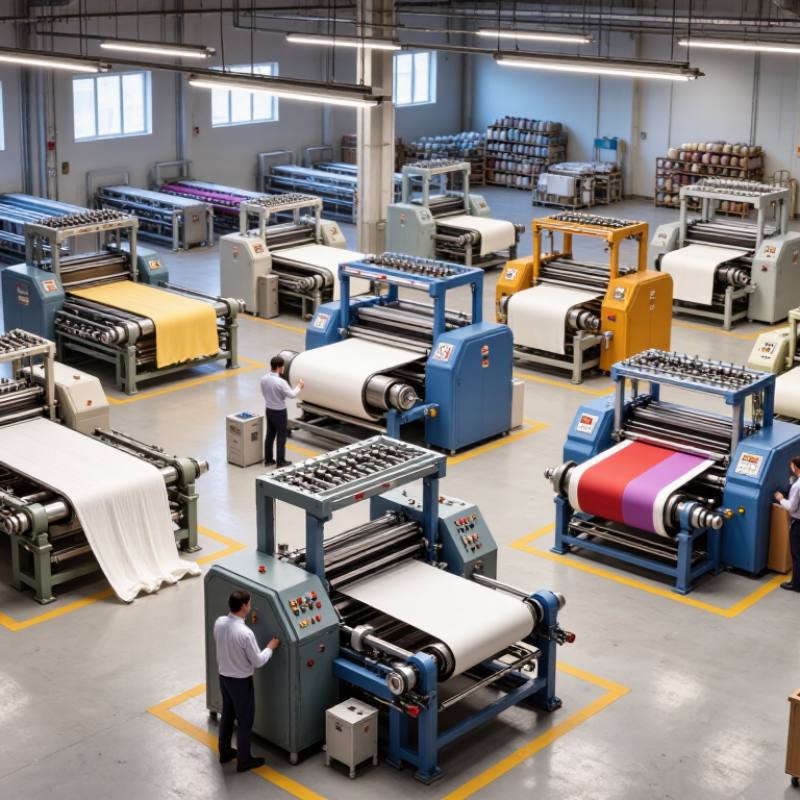
The global weaving-machine market covers equipment that interlaces lengthwise warp yarns with crosswise weft yarns to produce fabric. Its scope ranges from compact looms for narrow textiles to high-speed systems used in large mills. Machine choice affects fabric width, texture, output, and the handling of different yarns. The choice matters.
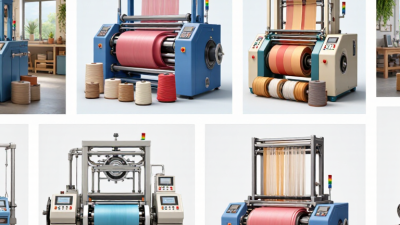
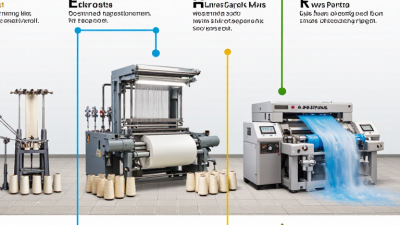
Common types are defined by how they insert the weft. Shuttle looms carry yarn in a shuttle and remain useful for certain traditional or specialized fabrics. Rapier looms move the weft with a flexible or rigid carrier, offering versatility across many materials. Air-jet looms use compressed air to propel yarn and suit lightweight fabrics at high production speeds. Water-jet looms use a water stream and are generally suited to hydrophobic synthetic yarns. Projectile looms use small grippers to carry the weft across the shed, including on wider fabrics.
No single type fits every mill. Not always. Buyers should compare intended fabric, yarn properties, loom width, energy use, maintenance access, and operator skill. A sample run can reveal issues that a specification sheet misses, such as yarn breakage or uneven edges. Even with careful comparisons, real production conditions may change the decision. Some trade-offs are easy to overlook. A machine that runs quickly may not be the best choice if frequent adjustments slow the line.
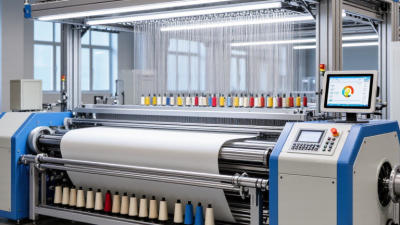
Leading weaving-machine manufacturers should be judged by measurable performance, not catalogue speed alone. ITMF’s 2021 International Textile Machinery Shipment Statistics recorded about 95,000 shuttle-less looms shipped worldwide, a 32% rise from 2020. That figure signals investment demand, not proof of machine quality. Numbers need context.
Buyers should compare loom speed, fabric width, defect rates, changeover time, and energy use under identical yarn and fabric conditions. A 900-pick-per-minute claim means little if the test used a narrow, simple fabric. Ask for trial records, maintenance intervals, spare-parts lead times, and references from mills producing similar cloth. Independent acceptance tests can reveal vibration, stoppages, and inconsistent selvedges before installation.
Energy and service matter over a machine’s full working life. Compare electricity use per thousand metres, air consumption, operator training hours, and local technician response times. ITMF shipment statistics provide useful market context, but they do not measure uptime or lifecycle cost. A careful shortlist should combine published shipment trends with witnessed factory trials and verified service records.
Profiles of the world’s leading weaving-machine manufacturers reveal distinct engineering priorities. Some specialize in high-speed air-jet looms for broad fabric runs; others build rapier systems suited to delicate yarns and varied patterns. Water-jet makers focus on lightweight synthetic fabrics, while projectile technology serves heavy, wide-width applications. Different needs. Other manufacturers emphasize denim lines, technical textiles, digital monitoring, retrofit parts, or local service networks.
ITMF’s 2023 International Textile Machinery Shipment Statistics reported approximately 82,000 new shuttle-less looms shipped worldwide, a 23% decline from 2022. This shift makes production flexibility important. A mill manager may compare energy use, stoppage rates, fabric quality, and access to technicians, not just the advertised speed. A fast loom can still disappoint if it wastes yarn or requires hard-to-find parts.
Across ten manufacturer profiles, the strongest distinctions are often practical: stable tension on a long production run, quick style changes, and clear fault alerts beside the machine. Some suppliers offer deep automation; others remain more attractive for simpler maintenance and lower operating complexity. There is no perfect choice. Published specifications rarely show how a loom behaves with a mill’s actual yarn, humidity, and operator training. Trial production matters, and comparisons can remain imperfect. ITMF shipment figures describe market activity, not machine quality or lifetime cost.
| Profile | Country | Documented Loom Types | Typical Fabric Applications | Technology Focus |
|---|---|---|---|---|
| 01 | Belgium | Air-jet and rapier looms | Apparel fabrics, shirting, denim, and home textiles | High-speed shuttleless weaving and flexible fabric production |
| 02 | Italy | Rapier, air-jet, and projectile looms | Fashion fabrics, denim, technical textiles, and furnishing fabrics | Multiple insertion systems for a wide range of yarns and fabrics |
| 03 | Germany | Rapier and air-jet looms | Wide fabrics, technical textiles, and high-quality apparel materials | Precision weaving and production of wide-width fabrics |
| 04 | Japan | Air-jet and water-jet looms | Lightweight apparel fabrics, synthetic fabrics, and linings | High-speed weaving and automated loom control |
| 05 | Japan | Air-jet, water-jet, and rapier looms | Filament fabrics, apparel textiles, and industrial fabrics | Several weft-insertion methods for different yarn and fabric requirements |
| 06 | China | Rapier and air-jet looms | Cotton fabrics, blended fabrics, and home textiles | Shuttleless loom production for domestic and export markets |
| 07 | China | Water-jet and air-jet looms | Synthetic filament fabrics, lining fabrics, and lightweight textiles | High-volume production, particularly for filament yarn applications |
| 08 | Italy | Rapier and air-jet looms | Fashion fabrics, furnishing fabrics, and selected technical textiles | Flexible weaving solutions for varied fabric constructions |
| 09 | China | Rapier, air-jet, and water-jet looms | Cotton, synthetic, and blended woven fabrics | Broad shuttleless loom range for different mill requirements |
| 10 | China | Water-jet and rapier looms | Filament textiles, apparel fabrics, and general-purpose woven goods | Production-oriented equipment for a range of weaving applications |
Note: Profiles are anonymized and presented by country and publicly documented loom types; the list is not a ranked market-share table.
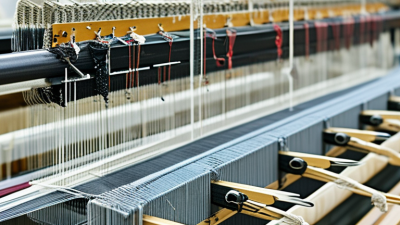
Leading weaving-machine manufacturers compete through distinct technologies, not simply loom speed. Air-jet systems suit high-volume fabrics, while rapier looms handle varied yarns and intricate designs. Water-jet machines are commonly selected for synthetic filament fabrics. Dobby and jacquard controls create patterned cloth, from compact checks to detailed motifs. The right choice depends on yarn type, fabric width, operator skill, and available maintenance support.
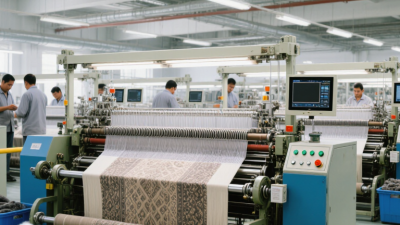
Textile Exchange’s Materials Market Report 2024 estimates global fiber production reached 124 million tonnes in 2023, with growth projected to 160 million tonnes by 2030. That scale raises pressure to improve productivity and reduce waste, though fiber output alone does not predict loom demand. Modern machines use sensors to track stops, tension, and production rates; some systems flag faults before a beam is fully exhausted. Useful, but not magic. A sensor cannot fix poor yarn consistency or rushed setup. Buyers should compare fabric quality, energy use, changeover time, and service access under real operating conditions. A fast loom may look impressive in a brochure, yet struggle with a mill’s actual yarn mix.
Textile mills rarely need identical weaving capacity. A denim plant may prioritize strong warp tension and long production runs, while a home-textile mill may need wider fabric and frequent pattern changes. The Textile Exchange Materials Market Report 2024 estimated global fiber production at 124 million tonnes in 2023, with output potentially reaching 160 million tonnes by 2030. That figure covers fibers, not loom demand, but it signals the scale and variety of materials manufacturers must accommodate.
Machine selection depends on yarn, fabric structure, speed, and finish. Rapier looms can handle varied yarns and frequent style changes; air-jet models suit high-speed production of lighter fabrics. Water-jet systems can be efficient for suitable synthetic yarns, but require careful attention to water use and local operating conditions. No single setup fits every mill. A specification that looks efficient on paper may perform differently with a mill’s actual yarn quality.
Support matters after installation. Manufacturers can help mills test fabric samples, tune loom settings, train operators, and source spare parts. These details affect downtime as much as headline speed. A few minutes saved per pick sounds small; across a full shift, it adds up. Still, buyers can over-specify machines before confirming their real product mix. Careful trials often reveal the more useful choice.