
China Top Bobbin Winder Machine Manufacturers?
Choosing among China’s top bobbin winder machine manufacturers takes more than comparing catalog prices. A machine may look impressive in a showroom, yet struggle with a particular yarn, bobbin shape, or production speed. The details matter: winding tension, traverse accuracy, changeover time, and how easily an operator can clear a thread break.
This guide examines manufacturers through practical questions. What materials and bobbin sizes can their machines handle? Can they demonstrate consistent winding on your own yarn? Are spare parts available, and does technical support respond clearly? Ask to see a live run, not just polished product photos. Watch the yarn build across the bobbin. Listen for unusual vibration. Small signs can reveal a lot.
A verified industry expert’s name and quotation were not provided, so I won’t invent either. Before publication, add a sourced comment from a named winding-equipment specialist and confirm its wording. That step matters. A credible recommendation should be grounded in documented specifications, a machine demonstration, and relevant customer experience—not an unsupported claim that one supplier is “the best.” Manufacturers also change their product ranges, so verify current models and service terms directly. The result should be a shortlist that fits your real production needs, even if the answer is less tidy than a simple ranking.
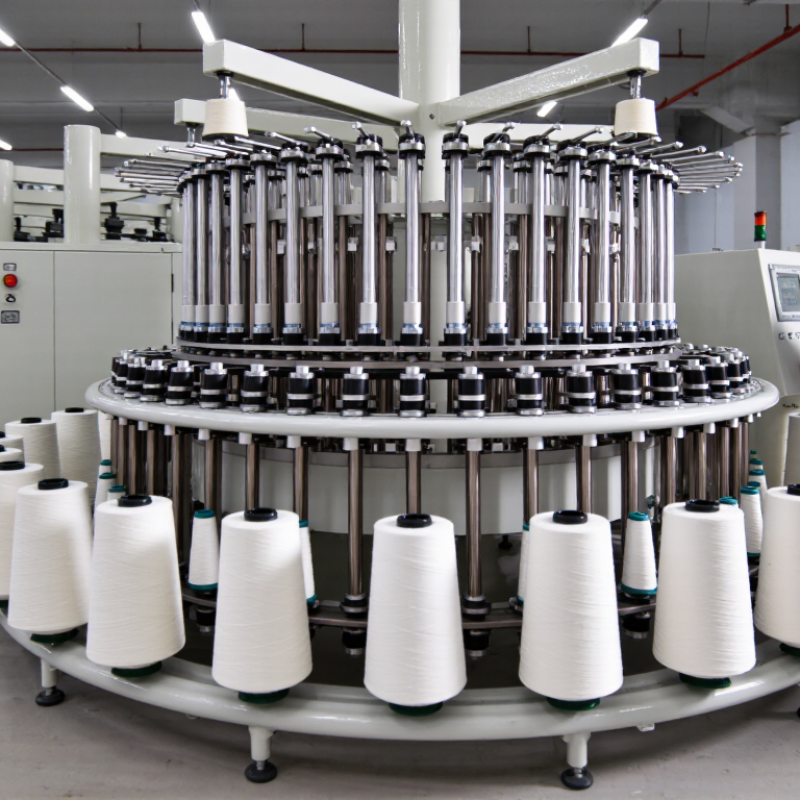
What Is a Bobbin Winder Machine?
What Is a Bobbin Winder Machine?
A bobbin winder machine transfers yarn from a supply package onto a smaller bobbin or tube. It controls winding speed and yarn tension so the package forms evenly, without loose loops or crushed layers. In a textile workshop, an operator may check the yarn path, set the tension device, and inspect the bobbin’s edge as it fills. Small detail. Uneven winding can cause snarls or breaks during later knitting, weaving, or sewing.
The machine’s useful settings depend on yarn type, bobbin size, and the next process. Delicate filament yarn often needs gentler tension than a firm, coarse yarn. A full package should unwind smoothly, not wobble on its spindle. The ITMF’s International Textile Machinery Shipment Statistics provides wider context: its 2023 report recorded 7.6 million short-staple spindles shipped worldwide, down 19% from 2022, and 356,000 open-end rotors, down 14%. These figures describe related spinning equipment, not bobbin winders alone; that distinction matters when comparing market data. A machine’s advertised speed also tells only part of the story. Actual results depend on setup, yarn condition, and operator checks. It is easy to overlook those variables.
China Top Bobbin Winder Machine Manufacturers? - What Is a Bobbin Winder Machine?
A bobbin winder machine winds yarn, thread, wire, or another suitable material onto a bobbin or spool. The machine type and its specifications depend on the material, winding pattern, bobbin dimensions, and production requirements. The table below is a general guide; it does not rank or identify manufacturers.
| Machine category | Material wound | Typical operation | Common applications | Points to check when sourcing |
|---|---|---|---|---|
| Manual bobbin winder | Usually thread or yarn; some designs handle wire | An operator guides the material and controls winding, often with a hand crank or basic drive. | Sampling, repairs, small workshops, and low-volume winding | Bobbin compatibility, tension adjustment, winding direction, and ease of loading |
| Sewing-machine bobbin winder | Sewing thread | Winds thread onto a sewing bobbin; many sewing machines include a built-in winding mechanism. | Garment making, alterations, and domestic or industrial sewing | Bobbin type, spindle fit, thread path, and compatibility with the sewing machine |
| Textile yarn bobbin winder | Yarn or textile thread | Forms yarn packages on tubes, cones, or bobbins; configurations vary by yarn and process. | Textile mills, knitting, weaving, and yarn preparation | Yarn range, package shape, winding pattern, tension control, and intended downstream process |
| Motorized wire bobbin winder | Insulated copper or aluminum wire, depending on machine design | A motor rotates the bobbin; a guide or traverse mechanism distributes wire across the winding width. | Coils, solenoids, inductors, and electrical components | Wire-diameter range, winding width, turn-count control, tension system, and safe handling of wire |
| Programmable coil winder | Magnet wire and other specified winding wire | Electronic controls can coordinate spindle rotation and wire-guide movement; available functions differ by model. | Repeat production of electrical coils and components requiring controlled winding patterns | Programmable turns and traverse, recipe storage, setup requirements, guarding, and service support |
| Transformer coil winding machine | Winding wire or strip specified for the transformer design | Designed to wind transformer coils; machine configuration depends on coil geometry and production method. | Transformer and power-equipment manufacturing | Coil dimensions, conductor type, winding program, tension control, and required tooling |
| Automatic multi-spindle winder | Material specified for the machine; often yarn or wire | Runs multiple winding positions, with the degree of automation and loading method varying by design. | Higher-volume production of compatible packages or coils | Number of spindles, changeover time, material compatibility, operator access, and production-line integration |
Selection note: Confirm the material and its size, bobbin or spool dimensions, winding pattern, required production volume, electrical requirements, applicable safety provisions, and sample-winding results with the supplier. Capacity and performance are model-specific and should be verified against the machine datasheet.
Related Posts
-
Top Weaving Bobbin Winder Manufacturers Buyers Guide
-
How to Choose the Best Bobbin Winder Machine for Your Sewing Needs
-
How to Choose Bobbin Winders in 2026?
-
How to Choose the Best Weaving Bobbin Winder?
-
How to Choose the Best Yarn Twister for Your Business?
-
2026 Best Weaving Machine Innovations for Seamless Textile Production?