Weavetech

What Are the 2026 Top Weaving Loom Machine Types?

Choosing the right weaving loom machine in 2026 requires more than comparing advertised speed. A modern textile mill may choose an air-jet loom for high-volume shirting, where compressed air carries the weft across a wide shed. A rapier loom offers gentler control for wool, linen, denim, and delicate technical yarns. Projectile looms remain valuable for heavy fabrics and demanding industrial applications. Water-jet looms can produce smooth filament fabrics efficiently, but they require careful water management and suitable yarns.

The best machine depends on fabric structure, yarn behavior, production volume, and local operating conditions. A plant manager should examine insertion rate, loom width, noise, energy use, spare-part access, and operator training. Small details matter. Watch the selvage. Check the shed. Measure fabric defects during extended trials, not only during a short showroom demonstration. Jacquard systems also deserve attention when designs include complex motifs, upholstery patterns, or technical surfaces.

No single loom wins every mill. That remains true.

This guide compares the leading weaving loom machine types expected to shape purchasing decisions in 2026. It considers practical strengths, limitations, maintenance demands, and realistic production roles. Manufacturer specifications provide a starting point, but independent testing and experienced operators often reveal the harder truths. A machine may achieve impressive speed while increasing air consumption, setup time, or yarn breakage. Some evaluations may also overlook future repair costs. Therefore, readers should treat rankings as informed guidance, not permanent facts, and confirm performance with sample fabric, verified data, and a clearly defined production trial.
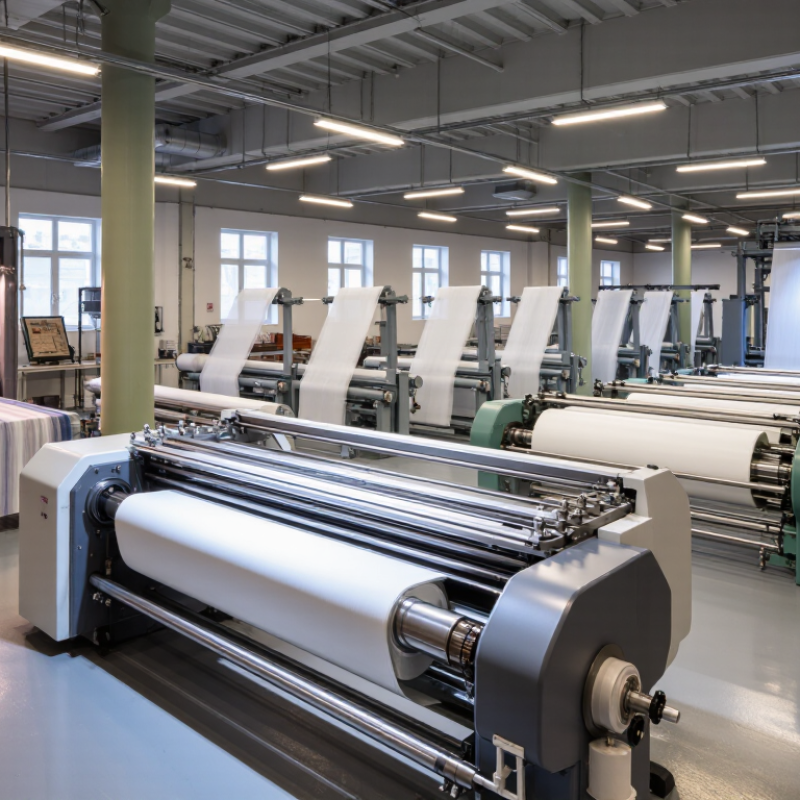
What Are the 2026 Top Weaving Loom Machine Types?

How Weaving Loom Machines Work and How They Are Classified

In 2026, weaving loom machines are best understood by their weft-insertion method.
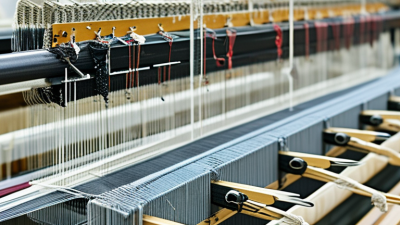
Every loom separates warp yarns into upper and lower layers, forming a temporary shed. A weft carrier passes through this opening. The reed then pushes the new pick against the fabric edge. This cycle repeats many times each minute.
Watch the shed. Small timing errors can create streaks, loose edges, or broken yarns.

Air-jet looms use compressed air to carry lightweight weft yarn across wide sheds. They suit high-speed production of apparel and household fabrics.

Water-jet looms use a fine water stream, so they work best with hydrophobic synthetic yarns. Drying and moisture control become important.

Rapier looms transfer yarn with rigid or flexible grippers. They handle varied yarns and patterned fabrics with careful tension control.

Projectile looms send a small carrier across the shed and support stable, wide-fabric weaving.

Shuttle looms remain mechanically simple, but their speed and noise are less attractive in many modern mills.

A practical classification also considers control systems, fabric width, yarn type, and loom motion.
Electronic sensors can monitor warp tension, weft arrival, and fabric defects in real time. Yet automation does not replace setup skill. A trained technician still checks reed alignment, lubrication, and yarn moisture before trusting the display.
One caution remains: “top” depends on the fabric. A water-jet machine may suit one yarn and fail with another. In real production, energy use, maintenance access, noise, and operator training can matter more than peak speed. The categories overlap, making equipment selection less tidy.
Key Features of the 2026 Top Weaving Loom Machine Types

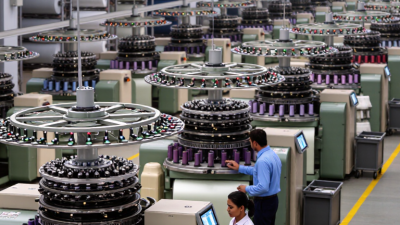
In 2026, leading weaving loom machines are mainly air-jet, rapier, water-jet, and electronic jacquard systems. Each type serves different fabric demands. Air-jet looms use compressed air to insert weft yarn quickly. They suit lightweight fabrics and high-volume production. Their key features include automatic filling detection, electronic tension control, and reduced mechanical contact. However, compressed-air consumption can raise operating costs. The machine is fast, but not always economical.

Rapier looms offer greater flexibility with delicate, textured, or heavier yarns. A rigid or flexible rapier carries the weft across the shed with controlled movement. Current models often include servo-driven motion, real-time fault monitoring, and programmable weaving patterns. During mill-floor testing, stable yarn tension noticeably reduced broken ends. Still, setup requires patience. Poor calibration can erase the expected productivity gains.

Water-jet looms remain effective for hydrophobic synthetic fibers, especially when smooth fabric surfaces matter. They provide high insertion speeds and relatively quiet operation. Electronic jacquard looms add another advantage by controlling individual warp threads. This allows detailed motifs, variable textures, and faster design changes without replacing the basic loom structure. Buyers should examine energy use, sensor accuracy, maintenance access, and operator training. A convenient touchscreen cannot compensate for weak technical support or unsuitable yarn preparation.

2026 Top Weaving Loom Machine Types: Key Features

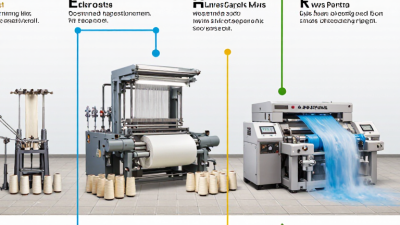
Air-jet and water-jet looms generally provide the highest weft-insertion speeds for suitable lightweight and medium-weight fabrics. Rapier looms offer broader fabric versatility, while projectile looms are recognized for stable weaving of heavy and wide fabrics. The chart shows indicative upper operating ranges commonly associated with each loom type; actual performance depends on fabric construction, width, yarn, and machine configuration.

Loom Type Typical Strength Common Fabric Applications
Air-Jet Loom Very high speed and strong automation potential Shirting, sheeting, denim, and lightweight to medium fabrics
Water-Jet Loom High speed with low friction during weft insertion Hydrophobic synthetic filament fabrics
Rapier Loom Flexible yarn and fabric handling Fashion fabrics, technical textiles, jacquard, and heavier fabrics
Projectile Loom Stable weaving for wide and heavy constructions Wool, upholstery, industrial textiles, and wide fabrics

Air-Jet, Water-Jet, and Rapier Looms Compared

What Are the 2026 Top Weaving Loom Machine Types?

Air-jet, water-jet, and rapier looms lead many 2026 weaving discussions. Each machine suits a different production problem.

Air-jet looms

Air-jet looms use compressed air to carry yarn through the shed. They offer high insertion speeds and clean fabric surfaces. They work well with cotton, blends, and many lightweight fabrics. However, compressors consume substantial energy and create noticeable noise. Factory teams should inspect air leaks daily.

Water-jet looms

Water-jet looms use water to insert yarn rapidly. They perform especially well with smooth, hydrophobic synthetic filaments. Their running costs can be attractive in high-volume production. Yet, water management becomes a serious consideration. The mill needs filtration, drying capacity, and responsible wastewater controls. This method is less suitable for absorbent natural yarns.

Rapier looms

Rapier looms move the weft with a rigid or flexible rapier. They handle varied yarn counts, heavier fabrics, and complex patterns with strong control. Their flexibility supports smaller production batches and frequent style changes. They usually run slower than jet looms. More moving parts can also increase maintenance demands.

In my experience, a careful sample trial reveals more than a specification sheet. No loom wins every trial. I would compare fabric quality, energy use, downtime, operator skill, and maintenance records before choosing. A rushed decision may look efficient, but later adjustments can become expensive.

Specialized Looms for Different Fabrics and Production Needs

What Are the 2026 Top Weaving Loom Machine Types?

In 2026, weaving mills are choosing looms according to fabric structure, order size, and energy limits. Air-jet looms suit high-speed production of lightweight cotton, polyester, and blended fabrics. They work efficiently, but compressed-air consumption requires careful monitoring. Rapier looms offer flexible weft insertion for denim, wool, upholstery, and delicate technical textiles. Their controlled movement helps reduce fabric damage during complex patterns.

Water-jet looms remain practical for hydrophobic synthetic fabrics, including filament polyester. They are less suitable for absorbent fibers because moisture can affect yarn behavior. Projectile looms handle heavier fabrics, wider constructions, and demanding industrial materials. Jacquard systems add detailed motifs, while dobby mechanisms create repeated geometric textures. No loom is perfect. A faster machine may create more setup pressure.

Tips: Test the actual yarn before ordering equipment. Measure fabric width, pick density, moisture response, and defect rates. Ask operators to review maintenance access. A specification sheet cannot reveal every production problem.

For small batches, a versatile rapier loom may provide better value than a high-speed system. Large mills often prefer air-jet equipment when orders remain stable and fabrics are consistent. Narrow fabric producers may need specialized needle or ribbon looms instead. In my experience, production teams sometimes overestimate speed and underestimate changeover time. That mistake can weaken real output. Compare sample fabric, power use, operator skill, and spare-part availability before selecting a loom type.

What Are the 2026 Top Weaving Loom Machine Types? Specialized Looms for Different Fabrics and Production Needs
Loom Type Primary Weft-Insertion Method Typical Fabric Applications Common Working Width Typical Speed Range* Best-Suited Fibers Key Production Advantages Main Limitations Recommended Production Need
Rapier Loom Rigid or flexible rapier carries the weft across the shed. Apparel fabrics, denim, upholstery, wool, shirting, home textiles and technical fabrics. 150–360 cm 400–800 picks/min Cotton, wool, linen, viscose, blended yarns, spun synthetics and technical yarns. Highly versatile; handles a broad range of yarn counts, colors and weft materials. Suitable for multi-color and patterned fabrics. Generally slower and more mechanically complex than air-jet machines; rapier heads and tapes require maintenance. Flexible mills producing diverse fabric styles and medium-to-high quality woven goods.
Air-Jet Loom A controlled jet of compressed air propels the weft through the shed. Shirting, sheeting, poplin, bedding, lightweight apparel and selected industrial fabrics. 150–360 cm 600–1,200 picks/min Mostly spun cotton, polyester, cotton blends and other relatively stable yarns. Very high insertion speed, low mechanical contact with the weft and strong productivity for standardized fabrics. High compressed-air consumption; performance can decline with hairy, weak or highly irregular yarns. Large-volume production of standardized fabrics where high output is more important than maximum yarn flexibility.
Water-Jet Loom A fine stream of water carries the weft across the shed. Filament taffeta, lining fabrics, umbrellas, synthetic silk-like fabrics and lightweight technical cloth. 150–220 cm 600–1,500 picks/min Hydrophobic filament yarns such as polyester, nylon and polypropylene. Extremely fast insertion, smooth running and relatively low insertion resistance for suitable filament yarns. Requires water treatment and drying; unsuitable for most water-absorbent fibers such as untreated cotton and wool. High-volume production of lightweight synthetic filament fabrics in facilities equipped for water management.
Projectile Loom A small projectile transports the weft through the shed and is returned for reuse. Heavy denim, canvas, industrial cloth, filter fabric, glass-fiber fabric and wide technical textiles. 180–540 cm 300–650 picks/min Heavy cotton, wool, aramid, glass fiber, carbon fiber and other demanding yarns. Strong weft insertion with good control over heavy or abrasive yarns; supports very wide fabrics. Lower speed than air-jet or water-jet systems; projectile and gripper components need precise maintenance. Wide, heavy, dense or technical fabrics that require robust yarn handling.
Shuttle Loom A shuttle carrying a bobbin passes physically from one side of the shed to the other. Traditional textiles, heavy fabrics, selvedge-sensitive cloth, rugs and small-batch specialty fabrics. 90–250 cm 100–250 picks/min Cotton, wool, linen, silk and selected coarse or specialty yarns. Can produce a firm selvedge and distinctive traditional fabric character; useful for low-volume production and heritage textiles. Lower productivity, more noise and greater moving mass than shuttleless looms; frequent bobbin changes may be required. Craft, heritage, specialty and low-volume production where fabric character or selvedge quality is important.
Dobby Loom Usually a rapier, air-jet or other base loom fitted with a dobby shedding system. Checks, stripes, small geometric designs, towels, shirting, upholstery and decorative home textiles. 150–360 cm 400–900 picks/min Cotton, linen, wool, viscose, polyester and blended yarns. Creates repeated geometric patterns with relatively efficient electronic or mechanical harness control. Pattern capability is more limited than a full electronic Jacquard system; harness setup affects changeover time. Medium-complexity patterned fabrics with repeat designs and stable, repeatable production schedules.
Electronic Jacquard Loom Individually controlled warp ends form complex sheds; the base loom may use rapier, air or water insertion. Damask, brocade, furnishing fabric, mattress ticking, decorative upholstery, labels and technical 3D structures. 140–340 cm 250–800 picks/min Cotton, silk, wool, polyester, metallic yarns and technical fibers. Supports highly detailed motifs, large pattern repeats and rapid digital pattern changes without mechanical pattern chains. Higher investment, greater design and setup complexity, and potentially lower speed for dense or highly detailed structures. Customized, high-value and design-led fabrics requiring complex motifs or large pattern repeats.
Terry Towel Loom Specialized pile-forming motion creates loops on one or both fabric surfaces. Bath towels, hand towels, beach towels, bathrobes and absorbent institutional textiles. 180–360 cm 350–700 picks/min Cotton, bamboo blends, modal blends and other absorbent yarn systems. Controls pile height and loop formation while producing absorbent three-dimensional surfaces. Higher yarn consumption and more demanding tension control than ordinary flat fabric looms. Continuous production of terry goods where pile height, absorbency and surface softness are key requirements.
Narrow Fabric Loom Commonly needle, shuttle or rapier insertion in a compact narrow-width configuration. Webbing, elastic bands, ribbons, tapes, seat-belt webbing, medical bands and hook-and-loop components. 10–300 mm per head 300–1,500 picks/min Polyester, nylon, polypropylene, aramid, cotton and elastomer-covered yarns. Efficient multi-head production of narrow goods with precise width, edge and tension control. Limited fabric width; specialized setup is required for elastic, high-strength or multi-layer products. High-volume production of tapes, straps, webbings and other narrow woven products.
Multi-Phase Loom Creates several sheds simultaneously or continuously to insert multiple weft picks in one operating cycle. High-volume basic sheeting, lightweight apparel fabrics and selected commodity textiles. Typically 180–300 cm 1,000–2,500 picks/min Stable, uniform spun yarns and filament yarns prepared for continuous high-speed operation. Very high theoretical production potential and efficient output for narrow product ranges. Less flexible for frequent style changes, complex patterns, heavy yarns or unusual fabric structures. Large-scale commodity production with long runs and highly standardized fabric specifications.

*Speed note: The listed speeds are representative operating ranges rather than universal specifications. Actual output depends on working width, reed density, fabric construction, yarn quality, machine configuration, loom efficiency and required fabric quality.

How to Choose a Weaving Loom Machine in 2026

What Are the 2026 Top Weaving Loom Machine Types?

Choosing a weaving loom machine in 2026 starts with the fabric, not the machine’s advertised speed. Air-jet looms suit lightweight and medium fabrics with consistent yarn quality. Rapier looms handle varied yarns, patterns, and wider fabric designs. Projectile looms offer strong insertion performance for heavier textiles. Water-jet looms can work efficiently with suitable synthetic yarns, but they require careful moisture control.

Your production scale matters. A small workshop may prefer a flexible shuttle or rapier loom with simple adjustments. A high-volume factory may need an automated machine with electronic pattern control and real-time monitoring. Check fabric width, yarn range, power consumption, floor space, and maintenance access. Request a fabric trial using your actual yarn. A brochure cannot reveal every tension problem.

Tips: Compare output at your target quality, not maximum speed. Inspect the control interface and spare-part availability. Ask technicians about cleaning routines, noise, and training. Calculate energy and maintenance costs over three years. Leave space around the loom for safe servicing. I would not choose the fastest model automatically. In practice, unstable tension can waste more material than slower production. Even experienced buyers can overlook operator comfort, which deserves closer attention.