Choosing a hand loom manufacturer is not just a matter of comparing prices. Global buyers must also assess weaving consistency, material traceability, production capacity, communication, and the ability to meet agreed specifications. A sample may look excellent under showroom lights; the same fabric should still feel even after close inspection. Details matter.
Mahatma Gandhi, a leading advocate of India’s hand-spun and handwoven textile tradition, wrote, “The spinning wheel represents to me the hope of the masses.” His words speak to the human work behind handmade textiles, though they do not replace practical supplier checks. Buyers should request clear product specifications, sample lengths, production timelines, and information about quality-control processes. Ask how the maker handles defects. Then verify the answer against a sample.
This Top 10 guide introduces hand loom manufacturers for international buyers seeking dependable craft production and distinct woven character. It considers factors such as product range, customization, export experience, and transparency, rather than treating one ranking as right for every project. No supplier is perfect. Finishing can vary, and a polished website proves little about a production floor. Use the list to build a shortlist, then compare samples and discuss expectations directly. A careful conversation can reveal more than a catalog.

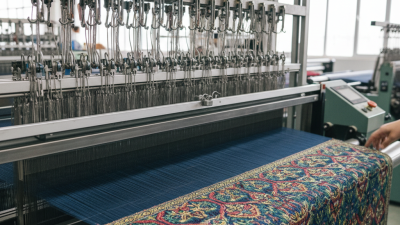
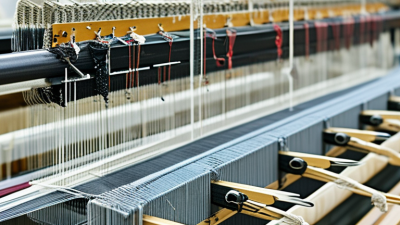
A hand loom is a manually operated frame that interlaces lengthwise warp threads with crosswise weft threads. The warp is stretched under tension, while the weaver passes the weft through an opening called a shed. A beater then presses each new row into place. The rhythm matters. Small changes in tension or beat can alter the fabric’s density and surface.
Hand looms support textile production when makers need control over pattern, texture, or short production runs. They are useful for sampling and for fabrics that require frequent adjustments during weaving. A weaver can change yarn, color, or thread spacing without reprogramming a machine. Yet output is slower, and consistency depends heavily on skill. That is not always efficient, especially when an order requires many identical meters.
For global buyers, understanding the loom helps clarify what a supplier can reliably produce. Ask about working width, compatible yarn sizes, pattern capability, and the operator’s experience with the requested fabric. A carefully built loom can hold steady tension, but it cannot replace sound setup or practiced hands. A sample woven on the actual loom offers useful evidence of drape, density, and finish. Even then, one sample may not show every variation across a longer run.
For global buyers, evaluating a hand loom manufacturer means checking more than a polished sample. India’s Fourth All India Handloom Census (2019–20) recorded about 3.52 million handloom workers, including weavers and allied workers. This scale highlights how people-intensive the craft can be. Ask who will weave your order, how many looms are available, and whether production is handled in-house. A clear answer helps you judge capacity and realistic lead times.
Inspect samples under daylight and indoor lighting. Check weave density, edge finishing, yarn consistency, and color variation across several pieces. Request test reports for colorfastness and dimensional change, and confirm which standards and test methods were used. For repeat orders, agree on approved samples, tolerances, packaging, and inspection points in writing. Ask how yarn origins and subcontracting are recorded. A neat sample can still hide uneven production. That matters.
Tips: Request a small pilot batch before placing a large order. Compare pieces side by side, not from photographs alone. Keep a record of defects and corrections; one honest limitation is that handmade variation cannot always be eliminated. Use agreed tolerances to separate acceptable character from avoidable inconsistency.
A useful global shortlist compares makers by regional skill, not just price. Indian workshops often weave cotton yardage and silk blends for apparel. Bangladeshi makers may specialize in fine jamdani, where small motifs are built into the cloth. Nepalese producers commonly work with wool, hemp, or plant-dyed fibers. Pakistani workshops are known for cotton shawls and sturdy household fabrics. Turkish makers often produce flat-woven rugs and decorative kilims.
Iranian workshops focus on hand-knotted carpets, with weave density and wool quality affecting value. Guatemalan cooperatives use backstrap looms for vivid regional patterns. Peruvian makers may weave alpaca fibers into warm, lightweight textiles. Ghanaian producers create kente cloth in narrow woven strips. Japanese workshops often specialize in refined silk or furnishing fabrics. These are broad specialties, not guarantees; individual workshops vary.
Tips: Request a swatch, fiber details, and loom-width measurements before ordering. Ask how color variation and production time are handled. Check seams and selvedges in person when possible. Small inconsistencies can be part of hand production, but unclear specifications deserve another question. Samples help.
UNESCO inscription year for 10 textile and weaving traditions from around the world
These traditions illustrate regional specialties relevant to handloom sourcing, from carpets and jamdani to kente and tais. Inscription years indicate cultural recognition—not manufacturer rankings, production volumes, or company performance.
Source: UNESCO Intangible Cultural Heritage lists. Years shown are the inscription years.
Top 10 Hand Loom Manufacturers for Global Buyers
Comparing loom types, customization, and production capacity means looking beyond catalog photos. Frame looms suit many repeatable patterns, while pit looms can support distinct fabric structures and local weaving practices. Backstrap looms offer flexibility for narrow, small-batch work, but output depends heavily on the weaver and design. These are tendencies, not guarantees. Ask suppliers to identify the loom used for your exact sample.
The Government of India’s Fourth All-India Handloom Census (2019–20) recorded about 3.52 million handloom workers, including a large majority of women. This signals a substantial skilled workforce, but it does not prove any single workshop’s capacity. A quoted monthly output can mislead if it excludes setup, finishing, rejected pieces, or seasonal labor. Request a trial run and compare the delivered width, weight, color consistency, and defect rate against your approved swatch. Custom yarn, selvedges, and intricate motifs may change both lead time and cost.
Tips: Ask for capacity in finished meters per month, not loom count alone. Request the same specification for every supplier. Small details matter. And if a sample differs slightly, document the difference before approving production; handmade variation is real, but it still needs clear limits.
This comparison describes ten common handloom product and capability categories, not a verified ranking of manufacturers. No company names or brand-specific production figures are included. Actual capacity depends on the fabric, loom width, yarn, operator skill, working hours, and production setup.
| Handloom Category | Typical Loom Type | Suitable Products | Common Customization Options | Production-Capacity Considerations | Buyer Fit |
|---|---|---|---|---|---|
| Traditional pit-loom weaving | Pit loom operated by a seated weaver, with the treadles positioned in a pit | Plain-weave and patterned fabrics, including cotton and silk textiles | Reed width, shaft arrangement, treadle setup, yarn choice, and fabric pattern | Typically configured for one fabric width at a time; output varies with pattern complexity and operator workflow | Buyers seeking traditionally woven cloth and flexible small-batch production |
| Frame-loom weaving | Rigid or tensioned frame loom | Wall hangings, rugs, samples, and other relatively small woven pieces | Frame dimensions, warp tensioning, yarn, color layout, and weave structure | Usually suited to individual pieces or small runs; working area is limited by frame dimensions | Buyers ordering samples, handmade décor, or small-format textiles |
| Backstrap-loom weaving | Portable loom in which the weaver controls warp tension using a backstrap | Narrow cloth, bands, panels, and regionally specific woven textiles | Finished width, warp yarn, color sequence, and traditional pattern structure | Portable and flexible, but production is generally tied closely to the individual weaver and piece dimensions | Buyers prioritizing portable production, craft traditions, or distinctive narrow fabrics |
| Table-loom weaving | Compact shaft loom operated from a table, commonly with hand-controlled levers | Fabric samples, scarves, yardage, and small textile runs | Number of shafts, reed width, yarn, weave draft, and finishing requirements | Useful for sampling and limited runs; achievable output depends on width, weave structure, and weaving time | Design studios and buyers needing development samples or modest quantities |
| Multi-shaft floor-loom weaving | Floor loom with treadle-operated shafts | Clothing fabric, furnishing fabric, scarves, and patterned yardage | Working width, shaft count, treadle arrangement, reed, yarn, and weave pattern | Can produce continuous yardage, but capacity is not standardized and varies substantially by design and setup | Buyers requiring a range of weave structures or small-to-medium yardage orders |
| Tapestry weaving | Tapestry loom configured for discontinuous weft and pictorial designs | Wall tapestries, decorative panels, and custom visual pieces | Panel size, image or motif, color palette, fiber, and finishing method | Detailed imagery and dense construction can require substantial hand-weaving time per piece | Buyers commissioning artwork, statement pieces, or bespoke decorative textiles |
| Hand-operated dobby weaving | Handloom fitted with a dobby mechanism to control selected warp-thread groups | Repeated geometric patterns, textured cloth, and patterned yardage | Pattern sequence, dobby configuration, loom width, yarn, and fabric structure | Can repeat programmed pattern sequences; setup and pattern complexity affect changeover and output | Buyers needing repeatable patterns while retaining handloom production |
| Hand-operated jacquard weaving | Handloom equipped with a jacquard mechanism for individual warp-thread control | Detailed motifs, figured cloth, and complex patterned textiles | Motif artwork, pattern scale, yarn, color placement, and fabric dimensions | Complex designs require pattern preparation and careful weaving; capacity depends on design detail and loom setup | Buyers seeking intricate woven motifs or custom design development |
| Narrow-fabric handloom weaving | Handloom designed for narrow-width products; some setups can weave multiple bands | Belts, straps, ribbons, trims, and narrow woven tapes | Band width, edge finish, color sequence, weave structure, and yarn strength | Some configurations can produce several narrow bands in parallel; the number depends on the loom and product specification | Buyers sourcing trims, bands, straps, or other narrow woven components |
| Drawloom weaving | Handloom with drawloom controls for complex figured or repeating designs | Elaborate patterned cloth and textiles with repeated figured motifs | Motif repeat, pattern setup, fabric width, yarn, and color arrangement | Pattern setup can be specialized and time-consuming; production capacity is project-specific | Buyers commissioning complex traditional patterns or distinctive figured fabrics |
When comparing hand loom manufacturers, buyers should look beyond photographs and quoted prices. Ask how yarn is selected, whether looms are maintained regularly, and how finished pieces are checked. Request a sample with the same fiber, weave, and dimensions as the intended order. Small differences matter. Inspect the edges, knots, and back of the fabric, where skipped threads may be easier to spot.
Quality control should be clear and repeatable. Ask for written tolerances on width, color variation, and shrinkage, then confirm how defects are recorded and handled. A polished sample does not guarantee consistent production. That is easy to overlook. If possible, request production photos or a pre-shipment inspection, especially for a first order. Keep an approved sample for comparison.
International sourcing also depends on practical communication. Confirm packaging, lead times, payment milestones, and who arranges freight before production begins. Ask for shipping documents and product specifications in a format your team can review. Time zones and language gaps can slow simple decisions, so summarize agreements in writing. Even careful planning leaves some uncertainty; handmade work naturally varies, and buyers should decide which variations are acceptable before placing an order.