How to Choose the Best Power Loom Machine
Choosing the best power loom machine starts with the fabric you plan to make. A loom suited to lightweight cotton may not handle dense upholstery cloth as efficiently. Match the machine’s working width, weaving method, and available attachments to your products. The right fit matters more than the largest speed figure on a brochure.
Look closely at operating details. Check the rated speed, power requirements, noise levels, and access to routine maintenance points. Ask how often parts such as belts, bearings, and healds need inspection. A clear service schedule can help prevent avoidable downtime. Details matter. Request technical specifications and, where possible, observe a sample run using yarn similar to yours. Watch for fabric consistency, vibration, and how easily operators can reach controls. These practical checks reveal things a specification sheet may miss.
Also consider installation space, operator training, spare-part availability, and the supplier’s after-sales support. Compare total ownership costs, not just the purchase price. Energy use, repairs, and production interruptions can change the value of a machine over time. Still, figures alone do not settle every decision; actual results depend on yarn, settings, and working conditions. That trade-off deserves attention. This guide explains how to assess these factors, compare options, and choose a power loom machine that fits your production needs. A careful choice can support dependable output, though no machine removes the need for regular checks and thoughtful operation.
Understanding How a Power Loom Machine Works
How to Choose the Best Power Loom Machine
Understanding How a Power Loom Machine Works
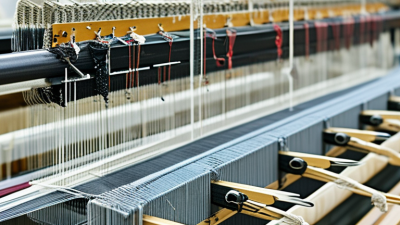
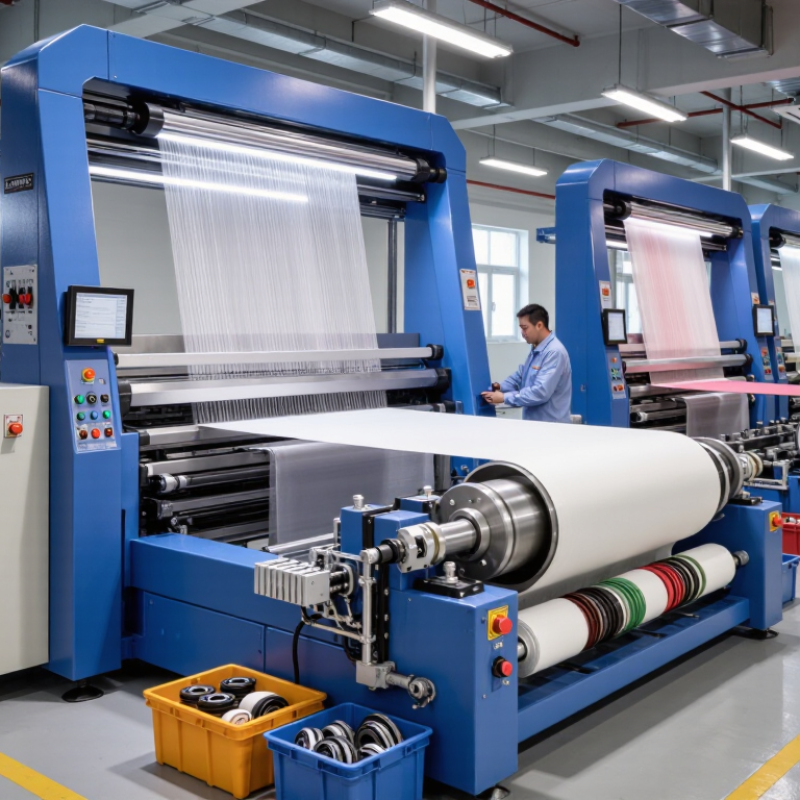
A power loom turns yarn into fabric through a coordinated sequence of movements. Lengthwise warp yarns are held under tension, while a shuttle or another insertion system carries weft yarn across them. The loom separates selected warp threads to form a gap, inserts the weft, then presses it into place with a reed. The cycle repeats quickly.
Each part affects the fabric. The let-off mechanism feeds warp yarn, and the take-up system winds finished cloth onto a beam. If their tension settings do not match, the fabric may show loose areas, uneven spacing, or puckering. The rhythm is less forgiving than it sounds. Small changes matter.
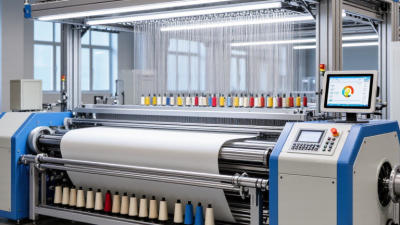
When evaluating a loom, ask how its controls manage speed, tension, and thread breaks. Check whether you can adjust settings for the yarn types and fabric widths you plan to use. On a sample run, listen for irregular knocks and inspect the edges for missed or crowded picks. Watch the selvage. A clear manual and accessible maintenance points also matter; frequent cleaning and careful setup can prevent avoidable faults. No machine corrects poor preparation, and even a well-adjusted loom may need fine tuning as yarn conditions change.
| Loom Type | How Weft Is Inserted | Typical Material Suitability | Common Advantages | Points to Consider | May Suit These Needs |
|---|---|---|---|---|---|
| Shuttle loom | A shuttle carries a weft package back and forth through the shed. | Can weave many conventional yarns, depending on yarn and fabric setup. | Can produce a traditional selvedge and can use a relatively large weft supply in the shuttle. | The moving shuttle creates noise and requires more maintenance attention; production is generally slower than on many shuttleless systems. | Traditional fabric constructions or operations where shuttle-based weaving is preferred. |
| Rapier loom | One or two flexible or rigid rapiers carry or transfer the weft across the shed. | A broad range of yarns and fabric constructions; suitability depends on machine configuration and yarn properties. | Versatile weft insertion can accommodate varied yarns and patterns. | Rapier condition, setup, and adjustment affect fabric quality; check the machine’s available width and yarn-handling options. | Producers needing flexibility across different yarns or fabric styles. |
| Projectile loom | A small projectile grips and carries the weft through the shed. | Can be configured for a range of fabrics, including some heavier constructions. | Weft is inserted without carrying a full shuttle across the loom; certain configurations support wide fabrics. | Projectile handling, loom setup, and maintenance requirements should be assessed for the intended yarn and production plan. | Operations evaluating wide-fabric production or particular heavier fabric constructions. |
| Air-jet loom | A controlled air stream propels the weft through the shed. | Often used for suitable yarns in lightweight to medium-weight fabrics; performance depends on yarn and fabric specifications. | Can achieve high production rates in appropriate applications and avoids a solid carrier crossing the shed. | Requires compressed air, so energy use and air-system costs matter; yarn must be suitable for reliable air conveyance. | High-volume production when the fabric, yarn, and compressed-air economics are a good match. |
| Water-jet loom | A water jet carries the weft through the shed. | Best suited to water-resistant, hydrophobic synthetic yarns; not generally suitable for absorbent fibers such as untreated cotton. | Water can convey suitable weft yarns effectively, and the insertion system does not require compressed air. | Requires water management and drying; moisture sensitivity of the fiber and finished fabric must be considered. | Production of suitable synthetic fabrics where water use and downstream drying are practical. |
Selection note: Compare the required fabric width, yarn types, fabric construction, expected production volume, utility costs, maintenance capacity, and available floor space. Confirm compatibility with the loom’s technical specifications and test representative yarns before purchase.