Weavetech

How to Choose the Right Fabric Weaving Machine?

Choosing a fabric weaving machine is not a matter of chasing the highest speed. The right choice depends on the fabric, yarn, order size, and production conditions. A loom set up for lightweight apparel may struggle with heavy upholstery cloth. Small details matter: yarn tension, loom width, shedding system, and the space available around the machine. Get these wrong, and even a capable machine can become an expensive mismatch.

A useful selection principle for this guide is: “Choose the machine for the fabric you need to make, not the speed printed on its brochure.” This is an editorially drafted quotation, not a verified statement from a named expert. Add a confirmed weaving specialist’s name and approved quotation before publication. That check matters. Buyers should also compare sample quality, changeover time, spare-parts access, operator training, and service support. Ask suppliers to demonstrate the target fabric, not just a standard sample. Watch the selvedge. Check consistency across the full width. Feel the cloth.

This guide outlines the questions that help narrow the options, from fabric specifications to machine configuration and supplier support. It also leaves room for an awkward truth: no single fabric weaving machine suits every mill. A choice that looks efficient on paper may disappoint on the shop floor. Test carefully. Revisit assumptions. The best decision is usually the one supported by real production evidence.
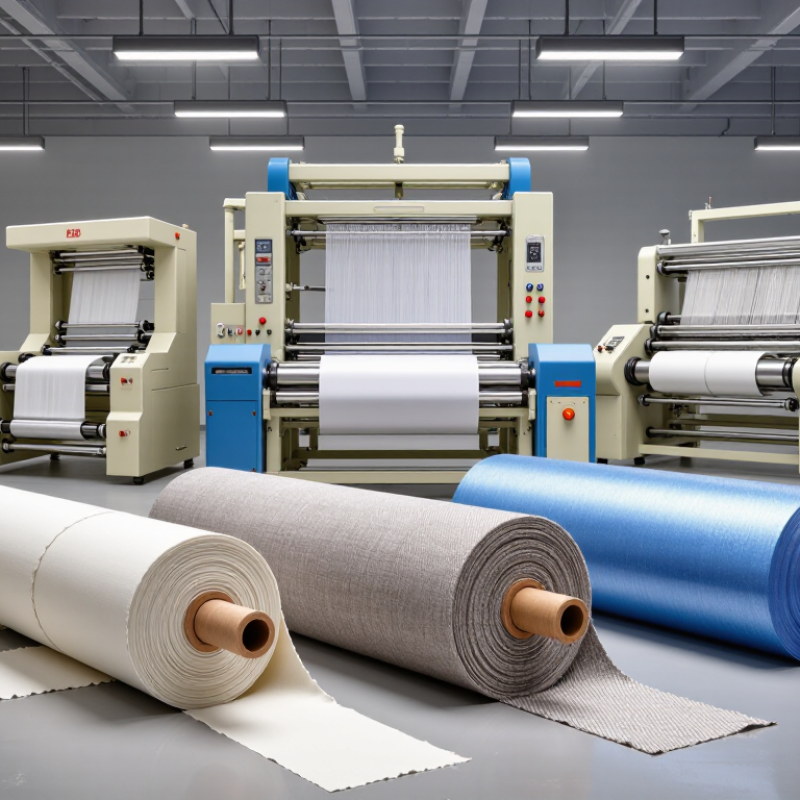
How to Choose the Right Fabric Weaving Machine?

Define Production Requirements for the Intended Fabric

A fabric weaving machine should match the cloth you need to make, not just your target output. Define the fabric’s fiber, yarn count, width, weight, and weave structure before comparing machine specifications. A lightweight lining and a dense upholstery fabric place very different demands on yarn control, shedding, and machine stability. Small details matter. List the required color changes, selvedge type, and acceptable defect level, too. These requirements help narrow the choices to machines suited to your actual products.

Estimate demand in finished meters per month, then account for working shifts, planned maintenance, and style changes. Nominal speed alone can be misleading. A machine may run quickly but lose productive time during frequent setup changes or when processing difficult yarns. Ask suppliers for output estimates using yarn and fabric specifications close to yours. If possible, test a sample and inspect its width, density, and surface under consistent lighting. It is easy to overestimate future demand; leave room to grow, but avoid paying for capacity you cannot use.

Tips: Bring a fabric swatch, yarn details, and a written production forecast to machine discussions. Note which requirements are fixed and which can change. Recheck your assumptions after a trial run; real output may differ from the estimate.
Compare Weaving Machine Types and Their Capabilities

How to Choose the Right Fabric Weaving Machine?
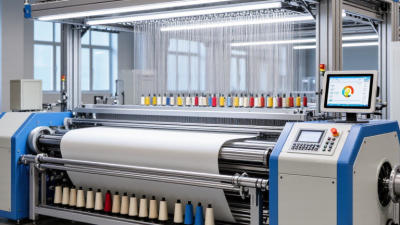
Compare Weaving Machine Types and Their Capabilities

A loom’s best feature is the one your fabric actually needs. Shuttle looms create strong, traditional selvedges and suit slower, specialized production. Rapier looms carry many yarn types, making them adaptable for patterned or heavier cloth. Air-jet looms run quickly on suitable lightweight and medium fabrics, but depend on stable yarn and compressed-air systems. Water-jet looms can produce synthetic filament fabrics efficiently, though they are unsuitable for absorbent fibers. Not always obvious. Check usable width, picks per minute, yarn range, changeover time, and energy use—not speed alone.

Industry data helps explain why flexibility matters. Textile Exchange’s Materials Market Report 2024 estimates global fiber production reached 124 million tonnes in 2023. That broad and growing material mix makes a machine’s yarn compatibility worth checking carefully. ITMF’s 2023 International Textile Machinery Shipment Statistics reported about 82,000 shuttle-less looms shipped worldwide in 2022, down 28% from 2021. Shipments do not prove which loom is best, but they show a large, changing equipment market. Ask suppliers for trials using your actual yarn and weave. Inspect the selvedge, fabric defects, and compressed-air or water demand during a full shift. Test real yarn. A sample can look perfect, yet production may expose waste or unstable tension. I would not choose from headline speed figures alone.

Match Machine Specifications to Materials and Fabric Design

Choosing a fabric weaving machine starts with the yarn, not the advertised speed. Textile Exchange’s Materials Market Report 2024 estimates that global fiber production reached 124 million tonnes in 2023, with polyester accounting for 57%. The same report puts recycled fibers at 7.7% of production. Such variety demands a machine suited to the actual yarn’s thickness, stretch, friction, and breakage risk. Test representative yarn cones before purchase. A specification sheet cannot show every snag.

For staple cotton and heavier denim, check the loom’s yarn-count range, warp-tension control, reed strength, and target picks per inch. Air-jet insertion can support high output, but its air use deserves careful costing. For continuous filament or delicate yarns, a rapier loom offers flexible insertion and handles varied yarn types. Water-jet looms suit many hydrophobic filaments, but are a poor match for absorbent cotton. Small details matter. Match fabric design, too: plain weave needs simpler shedding, while intricate motifs may require dobby or jacquard control. Confirm usable width and inspect the take-up system against the planned fabric density. Run a trial with the intended yarn and weave pattern; record stops, defects, and energy use. Even a good match may need adjustment. That part is easy to underestimate.

How to Choose the Right Fabric Weaving Machine? - Match Machine Specifications to Materials and Fabric Design

Machine Type Suitable Materials Fabric Designs and Uses Specifications and Features to Check Main Advantages Limitations to Consider
Air-jet loom Many spun and filament yarns, including cotton, polyester, and common blends. Yarn preparation and machine settings must suit the yarn’s hairiness, strength, and count. Plain, twill, and other common constructions; apparel fabrics, sheeting, and lightweight-to-medium technical textiles. Check reed width, available frames or shedding system, pick density range, air-pressure capacity, and the machine’s demonstrated compatibility with the intended yarn and fabric width. High production potential for suitable yarns and repeatable, consistent fabric production. Compressed-air use can add operating cost. Very hairy, weak, or difficult-to-control yarns may require trials and adjustments.
Water-jet loom Primarily hydrophobic synthetic filament yarns, such as polyester and some nylon. The yarn and finished fabric must tolerate water processing. Lightweight-to-medium filament fabrics, including linings and fabrics for applications where synthetic yarns are appropriate. Check reed width, water system and filtration, water quality, drainage, fabric drying needs, and compatibility with the yarn and finishing process. Water can carry suitable filament weft yarns efficiently through the shed. Generally unsuitable for absorbent natural-fiber yarns. Water handling, drying, and wastewater requirements affect the production setup.
Rapier loom A wide range of natural, synthetic, and blended yarns, including yarns with varied counts and some delicate or fancy yarns. Plain and complex weaves, stripes, checks, decorative fabrics, and constructions with frequent weft changes. Check single- or double-rapier configuration, insertion width, weft-color selection capacity, shedding system, frame count, and options for jacquard designs. Versatile yarn handling and design flexibility; suitable for many fabric styles and weft colors. Production rate and achievable settings depend on fabric width, yarn, and design. More complex configurations can increase setup and maintenance needs.
Projectile loom Many spun and filament yarns, including heavier or coarser yarns, subject to the machine’s yarn and fabric specifications. Wide fabrics, heavier constructions, and technical or industrial textiles where broad insertion width is important. Check working width, projectile and gripper compatibility, warp-tension control, shedding capacity, and the maximum fabric weight and density supported. Can accommodate wide fabric production and a broad range of yarn types. Typically a specialized investment; compare its operating and maintenance requirements with the actual production volume and fabric range.
Conventional shuttle loom Many natural and synthetic spun yarns, depending on yarn preparation and loom condition. Traditional textiles, smaller production runs, and fabrics where a shuttle-produced selvage or heritage process is specifically required. Check shuttle and bobbin dimensions, working width, available shedding mechanisms, spare-part availability, and the fabric’s required selvage and output. Can produce a woven selvage and may suit traditional or small-scale production needs. Generally operates at lower production rates than modern shuttleless looms and requires attention to shuttle, bobbin, and associated maintenance.
Jacquard-equipped loom Material suitability depends on the base loom and yarn; commonly used with cotton, silk, polyester, and blends. Large, intricate motifs and designs requiring individual or grouped warp-end control, such as figured upholstery, furnishing, and fashion fabrics. Check the required number of controlled warp ends, pattern-file compatibility, harness capacity, working width, and whether the base loom’s weft insertion system suits the material. Enables complex woven patterns that cannot be produced with standard frame shedding alone. Pattern complexity and setup can affect production planning. Confirm the design’s control requirements before selecting the jacquard capacity.
Dobby-equipped loom Common natural, synthetic, and blended yarns, subject to the base loom’s capabilities. Geometric and repeated figured designs, including small motifs and constructions requiring multiple shafts. Check the number of shafts, pattern repeat requirements, shedding mechanism, working width, and compatibility with the chosen yarn and weave structure. Provides more weave-pattern options than basic frame shedding without requiring full jacquard control. Its patterning capacity is limited compared with jacquard shedding; confirm that the design fits the available shaft arrangement.

Selection note: Loom speed, working width, yarn range, and fabric-weight limits vary by model and configuration. Confirm specifications with the machine supplier and, when possible, run a fabric trial using the intended yarn, weave, width, and finishing process.

Evaluate Automation, Operating Costs, and Maintenance Needs

How to Choose the Right Fabric Weaving Machine?
Evaluate Automation, Operating Costs, and Maintenance Needs

Start with the fabric you actually plan to produce. Compare yarn types, fabric width, pattern changes, and daily output targets. A machine suited to long runs may struggle with frequent style changes. During a production trial, watch how operators load yarn and adjust settings. More automation is not automatically better. It can reduce repetitive work, but complex controls may require extra training and troubleshooting.

Look beyond the purchase price. Estimate electricity, routine parts, labor, yarn waste, and costs from unplanned stops. Track output as usable meters, not just machine speed. A fast loom that produces more defects may cost more per finished meter. Small workshops should also consider whether automation will stay busy enough to justify its cost. That calculation can be awkward, and estimates are rarely perfect.

Maintenance needs show up in ordinary details: access to lubrication points, cleaning around moving parts, and the time required to replace wear items. Ask for a maintenance schedule and confirm that operators can follow it without special tools. Keep a simple log of stoppages, repairs, and fabric defects during trials. Listen for unusual vibration and inspect the selvage closely. One judgment call remains: preventive maintenance can interrupt production, but skipping it may create a longer stoppage later.

How to Choose the Right Fabric Weaving Machine?

Compare automation potential, operating-cost efficiency, and maintenance simplicity before selecting a weaving technology.

Illustrative relative ratings on a 1–5 scale, not measured market benchmarks or specifications. Higher scores indicate a more favorable rating. Actual costs and maintenance needs vary with fabric, production volume, energy prices, equipment configuration, and local service support.

Verify Supplier Support and Test Machine Performance

A fabric weaving machine should be judged by more than its speed rating. Ask the supplier what support is available after installation, including operator training, maintenance guidance, and access to common spare parts. Request clear response times for technical questions. Ask for specifics. Vague promises are difficult to rely on when a line is stopped.

Before committing, arrange a performance test using a yarn and fabric construction close to your own production needs. Observe the machine at a realistic operating speed, not only during a brief, carefully prepared demonstration. Check fabric width, edge consistency, and visible defects. Record output and interruptions over a meaningful run. Run it longer. A few minutes may reveal basic setup issues, but not recurring stoppages or heat-related changes.

Bring an experienced operator to the test, if possible. Their notes about threading, adjustments, noise, and access for cleaning can expose practical problems that a specification sheet misses. Ask the supplier to explain the test conditions and share measurable results, including what was excluded. A polished trial is useful, but it is not proof of everyday performance. Even a detailed checklist can overlook a small inconvenience that becomes costly across multiple shifts. Keep written test records and compare them with your actual production targets before making a decision.